Millennium Park is easiest to understand as a constructed landscape, not a piece of untouched lakeside ground. It occupies the northwestern part of Grant Park, where railway and parking infrastructure shaped the site before the present park opened in 2004. Its lawns, paths and artworks sit within a much larger system of transport, buildings and public space.
A park made above infrastructure
The Millennium Park Foundation places the project within Chicago’s long debate over the public lakefront. The principle of keeping the shore available for public use preceded this particular park by more than a century. Yet the ground near Michigan Avenue also accommodated railway functions and parking. Creating a park here required more than planting an empty field.
This is visible in the way different levels and routes fit together. The landscape has to connect with streets, neighboring parkland and structures below it. Thinking of the park as a roof as well as a garden helps explain why its apparently open spaces are also an engineering project.
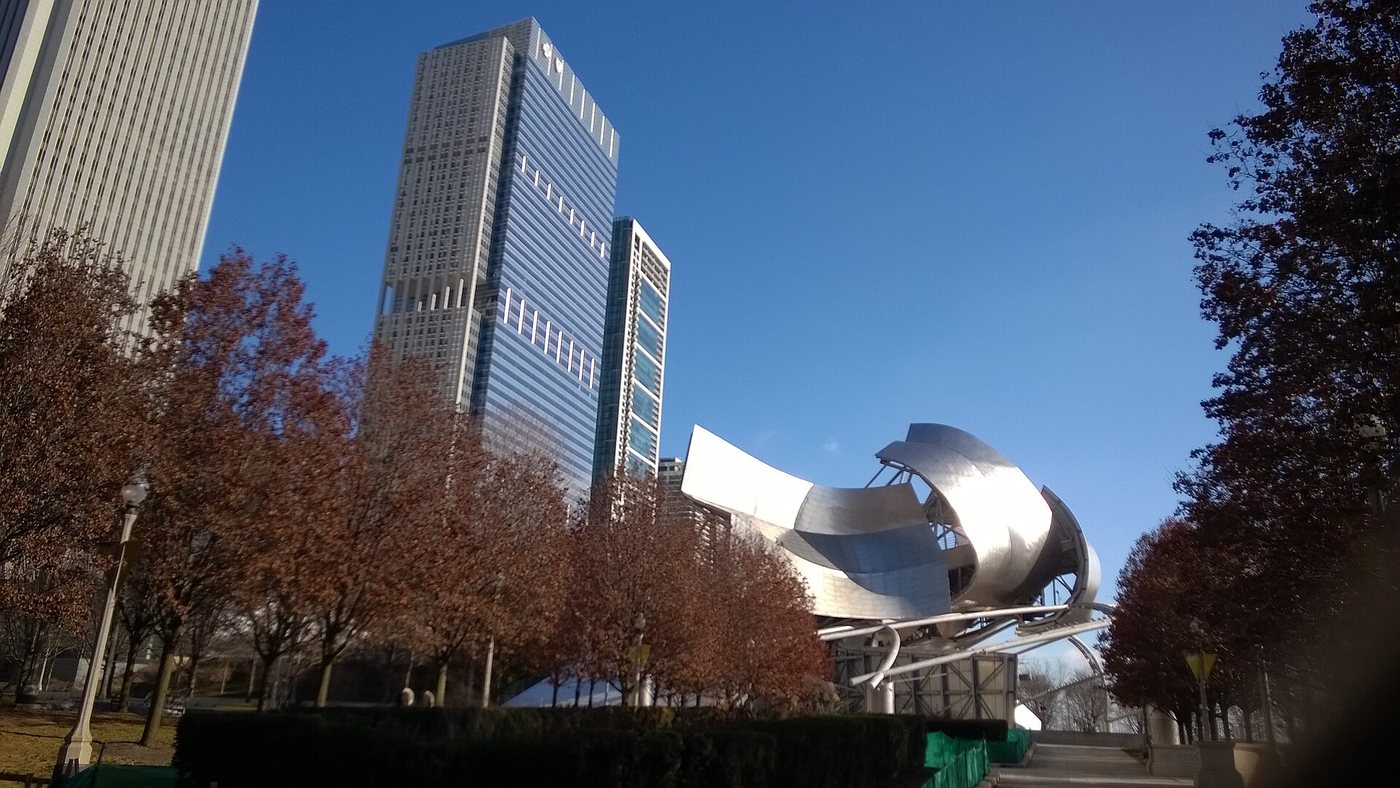
The setting changes the meaning of the skyline. Towers along Michigan Avenue form an urban wall to the west; the larger park system continues toward the lake. Millennium Park mediates between the density of downtown and that more open landscape.
Different spaces ask people to behave differently
A garden encourages close observation of plants and seasonal change. A concert lawn organizes attention toward a performance. A sculpture plaza supports circulation around an object and the search for different viewpoints. These uses need different surfaces, dimensions and relationships to surrounding paths.
Rather than treating the park as one large photo stop, compare how people move in two contrasting areas. Do they pass through, gather in front of something, or turn in circles around it? Are they standing on a hard surface or resting on grass? The answers show how design directs behavior without requiring every action to be signposted.
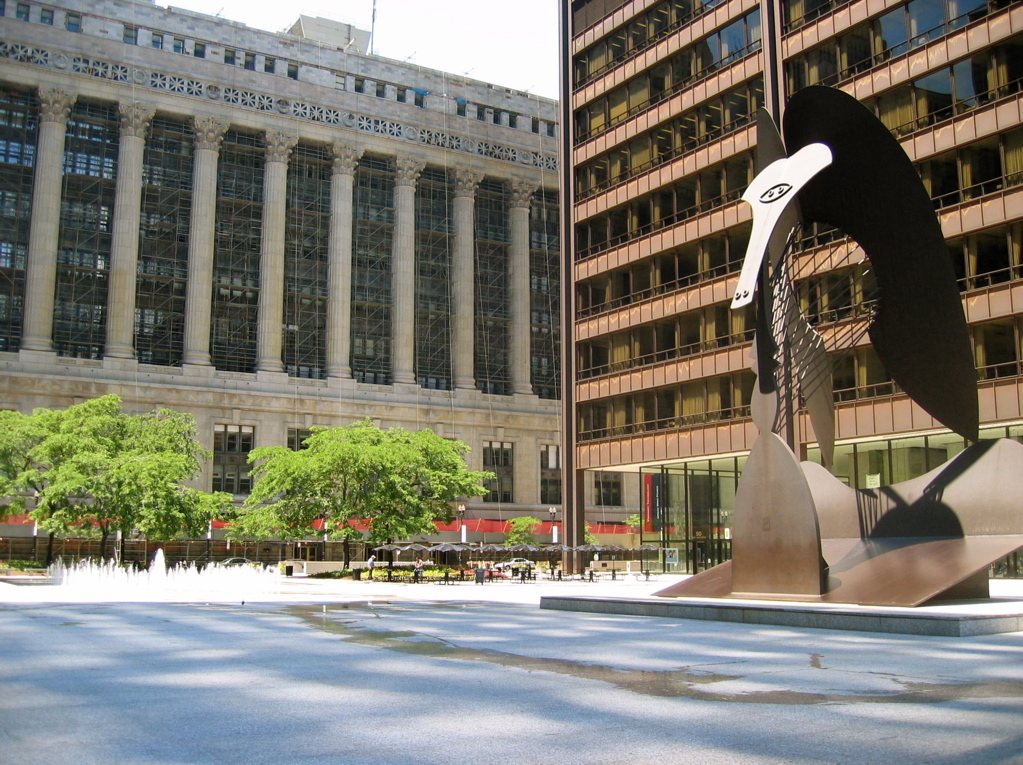
Large artworks also change with distance. An object that fills a camera frame can become one element in a wider composition when seen from a path farther away. Reflections, shadows and the position of neighboring buildings may matter as much as the object’s isolated shape.
The larger lakefront context
Millennium Park is part of Grant Park, but the names are not interchangeable. A plan to visit this compact group of spaces is different from a plan to cross the broader lakefront landscape. Streets and changes in level can make apparently short map distances more involved on foot.
Consult the park’s official information for concerts, temporary closures and entry arrangements if an event is central to the day. For a visit focused on design, leave time between the major attractions. Those connecting paths reveal how an unusually complex site has been organized into spaces that feel distinct while still belonging to a single park.