An old market is not necessarily an old building. At Soulard Market, the continuity of public trading extends across changes in structures, ownership arrangements and the surrounding neighborhood. Separating those strands makes the place easier to understand than choosing one founding date and applying it to everything visible.
Land given for a continuing use
The city’s landmark account records Julia Soulard’s 1838 gift of land on the condition that it remain a public market. That condition placed an ongoing activity at the center of the gift. The significance lies in maintaining space for trade, not in preserving a particular roof forever.
The first market structures were built in the 1840s and later expanded. The devastating tornado of 1896 damaged the market and much of the surrounding area. Trading continued through subsequent arrangements before the present complex took shape in the late 1920s.
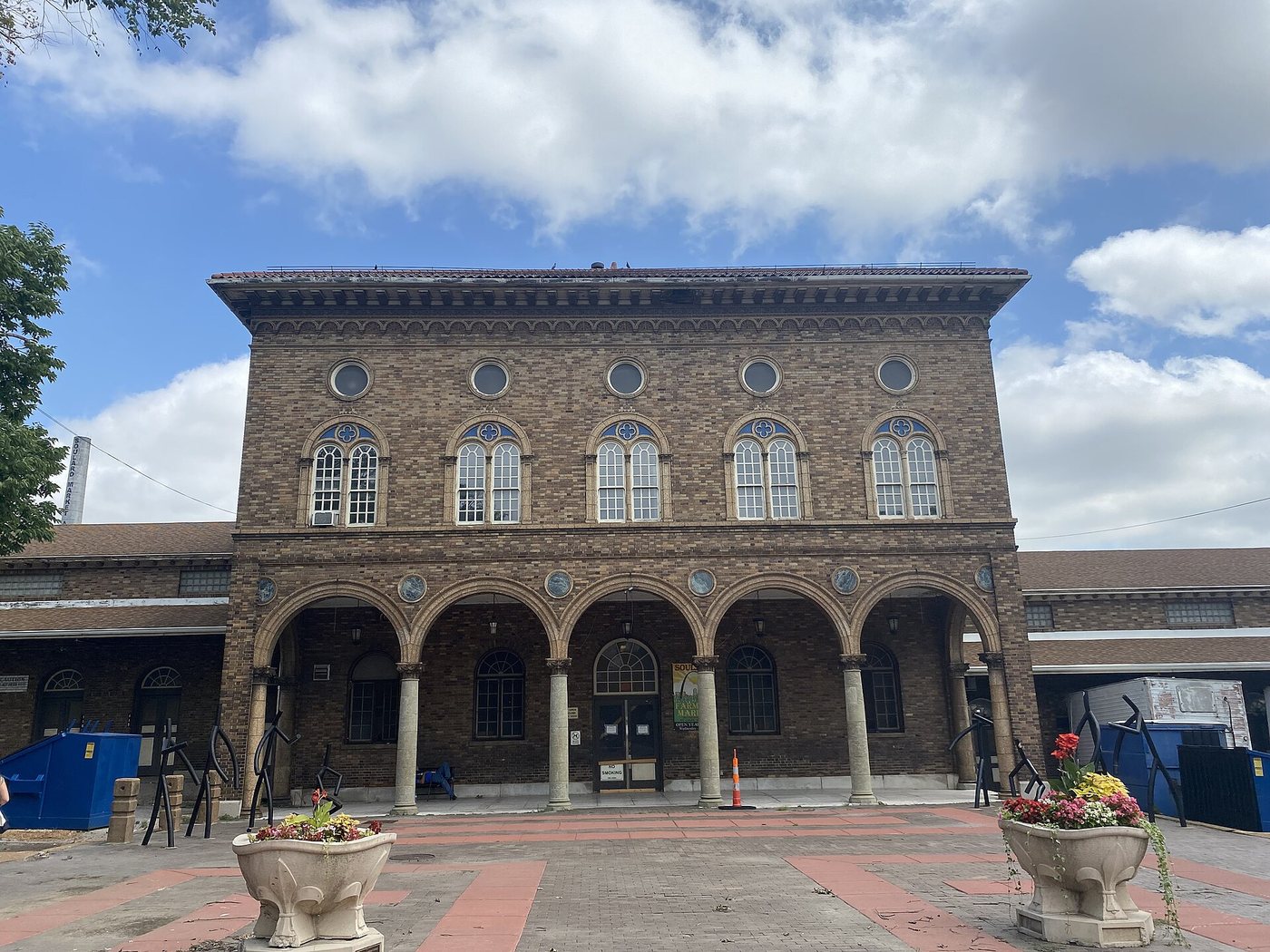
City architect Albert Osburg drew inspiration from the Foundling Hospital in Florence. The comparison is about architectural organization and form, not a claim that the two buildings served the same purpose. The repeated arcade gives the central building a recognizable rhythm and a sheltered relationship with the trading spaces around it.
A market has several kinds of edges
The central building, stall areas and surrounding streets each support different activities. A customer approaches from the neighborhood, moves through displays and queues, and may carry purchases back to a vehicle or home. Those movements help explain the arrangement of openings and sheltered circulation.
Compare the permanent structure with the temporary character of goods on sale. The building establishes a framework; traders continually remake the immediate scene through produce, signs, containers and conversation. Looking only at the facade misses the activity that justified the land’s public purpose.
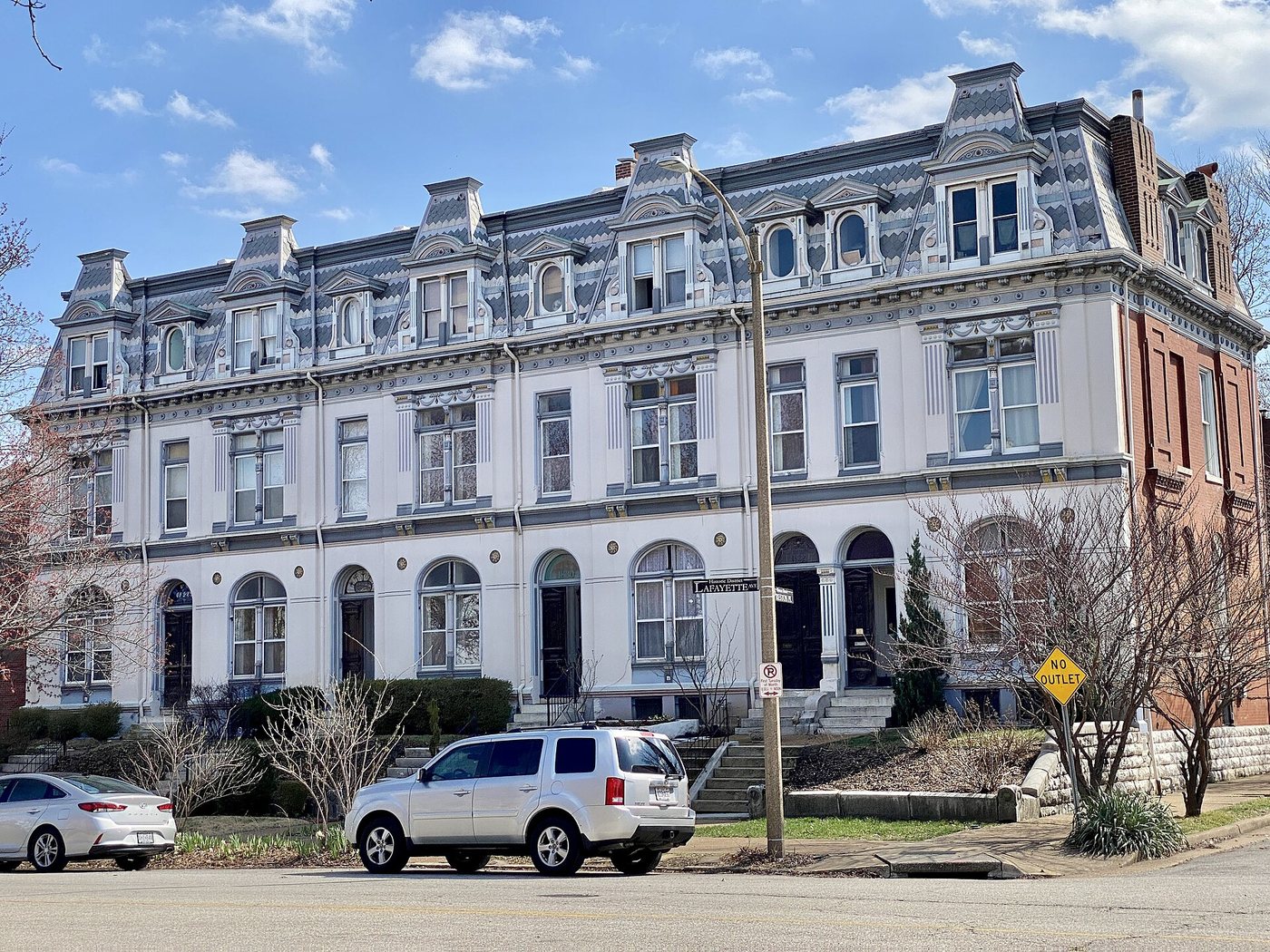
The market also belongs to Soulard’s wider residential and commercial history. A short walk along neighboring public streets can show how a trading destination sits among homes and other businesses rather than apart from everyday urban life.
Read the institution through the day’s activity
Use current market information to choose a trading day and confirm the vendors relevant to a planned purchase. The presence of a historic market building is not a guarantee that every stall operates at all times.
Bring the distinction between place and building into the visit. The visible late-1920s architecture is one chapter in a longer public-market story. Its success as a setting depends on allowing ordinary buying and selling to continue, including the less picturesque work of deliveries, cleaning and keeping circulation clear.