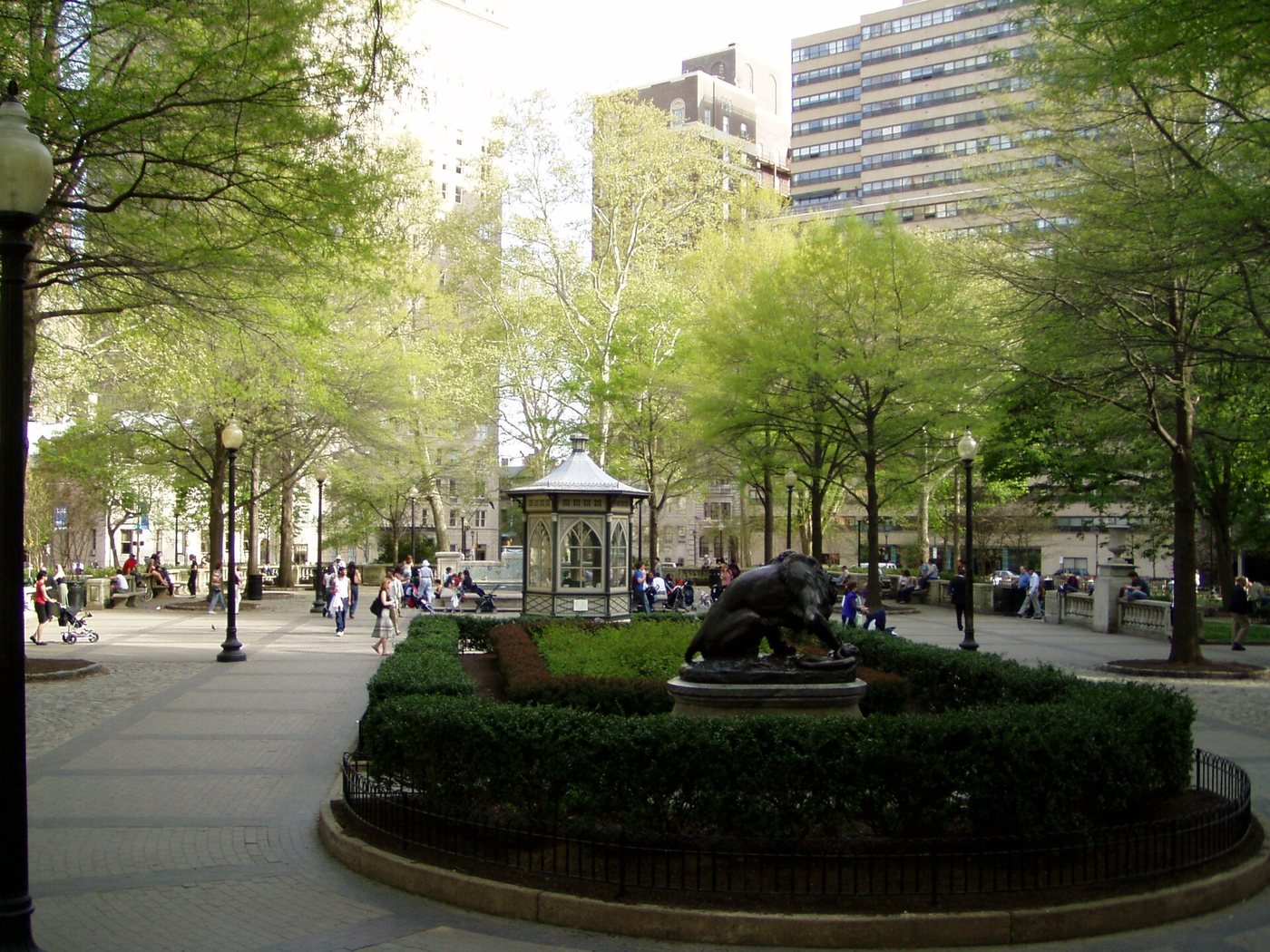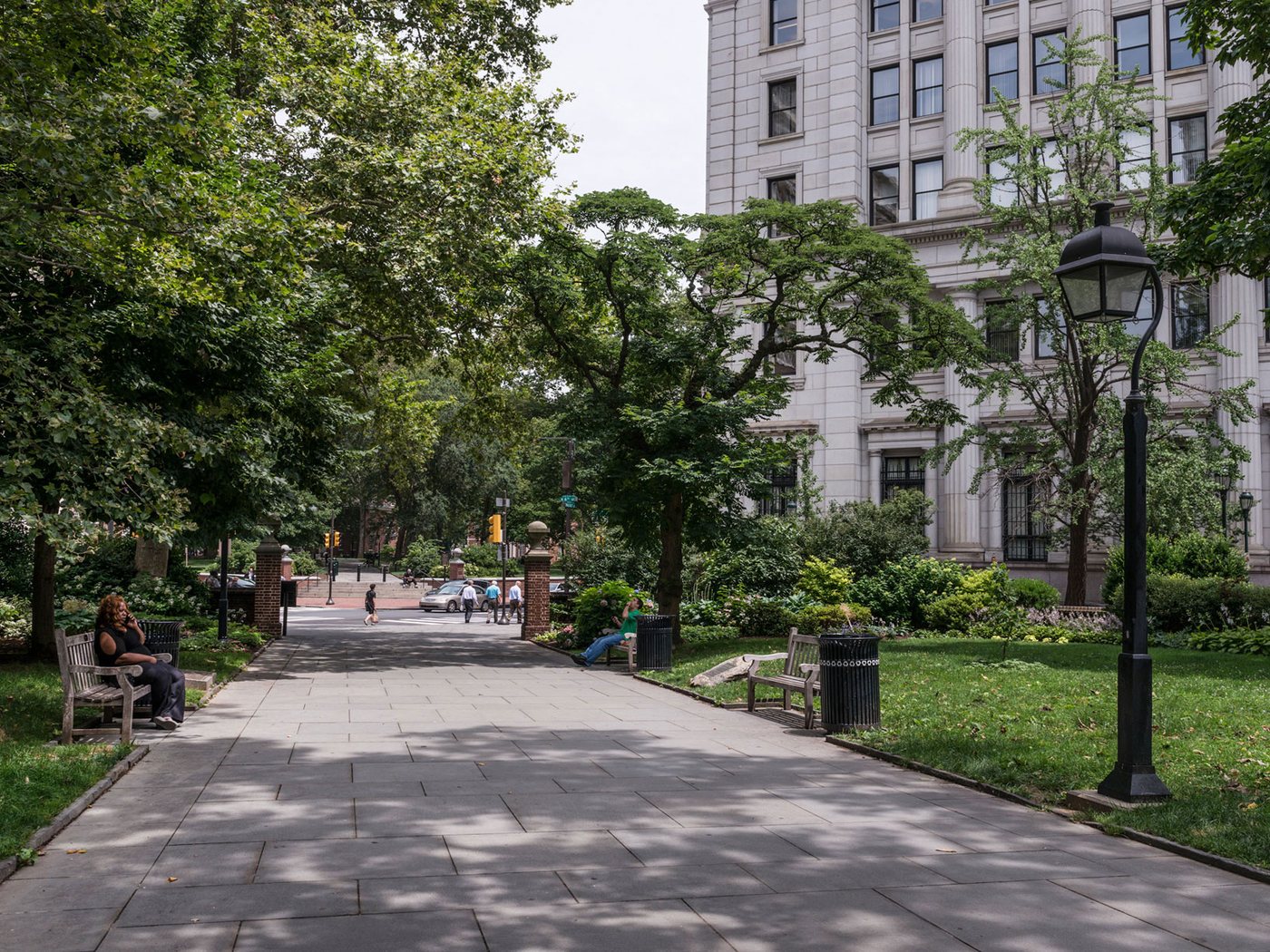
Washington Square’s trees and paths can make it seem like a straightforward neighborhood park. Its history is less simple. The ground was reserved as Southeast Square in William Penn’s plan, then used for burials and other public purposes before becoming a landscaped space. Commemoration occupies only part of a site whose earlier uses involved people with very different positions in colonial and early national society.
A burial ground for many communities
From 1706, the square served as a potter’s field. People without the means or connections for other burial arrangements were buried here. The National Park Service identifies free and enslaved Africans among those interred, along with other residents whose individual graves are no longer visibly marked.
Periods of crisis added further layers. Native Americans who died of smallpox in 1763 were buried in the square. During the Revolutionary War, both British and American soldiers were interred here, including people who died while imprisoned. The yellow fever epidemic of 1793 brought additional burials before the ground was closed to that use in 1794.
These histories should not be collapsed into a single category of anonymous dead. War, enslavement, poverty and epidemic disease were different circumstances, even when they brought people to the same burial ground. The absence of individual markers makes interpretation more important, not less.
A place of gathering as well as burial
The square was also significant to Philadelphia’s Black community. Free and enslaved African Americans gathered here, and the ground had social and cultural meanings beyond its official designation. The National Park Service also records efforts to protect bodies from removal for anatomical dissection.
That history reveals a conflict over who controlled the dead and how they were treated. A burial ground was not necessarily a secure resting place simply because burial had occurred. Community action formed part of the site’s history alongside municipal decisions and military events.
Landscape and national remembrance
Improvement as a public park began in the early nineteenth century, and the square received the name Washington in 1825. Trees and paths changed the experience of the ground, creating the landscape visitors encounter today. The later Tomb of the Unknown Soldier of the American Revolution gave national military remembrance a prominent physical place within it.
The memorial is meaningful, but it does not represent every person buried here. Reading the square well means holding the formal monument together with the less visible histories beneath and around it. Its calm appearance is a later layer over a ground shaped by unequal treatment, community life and repeated loss.