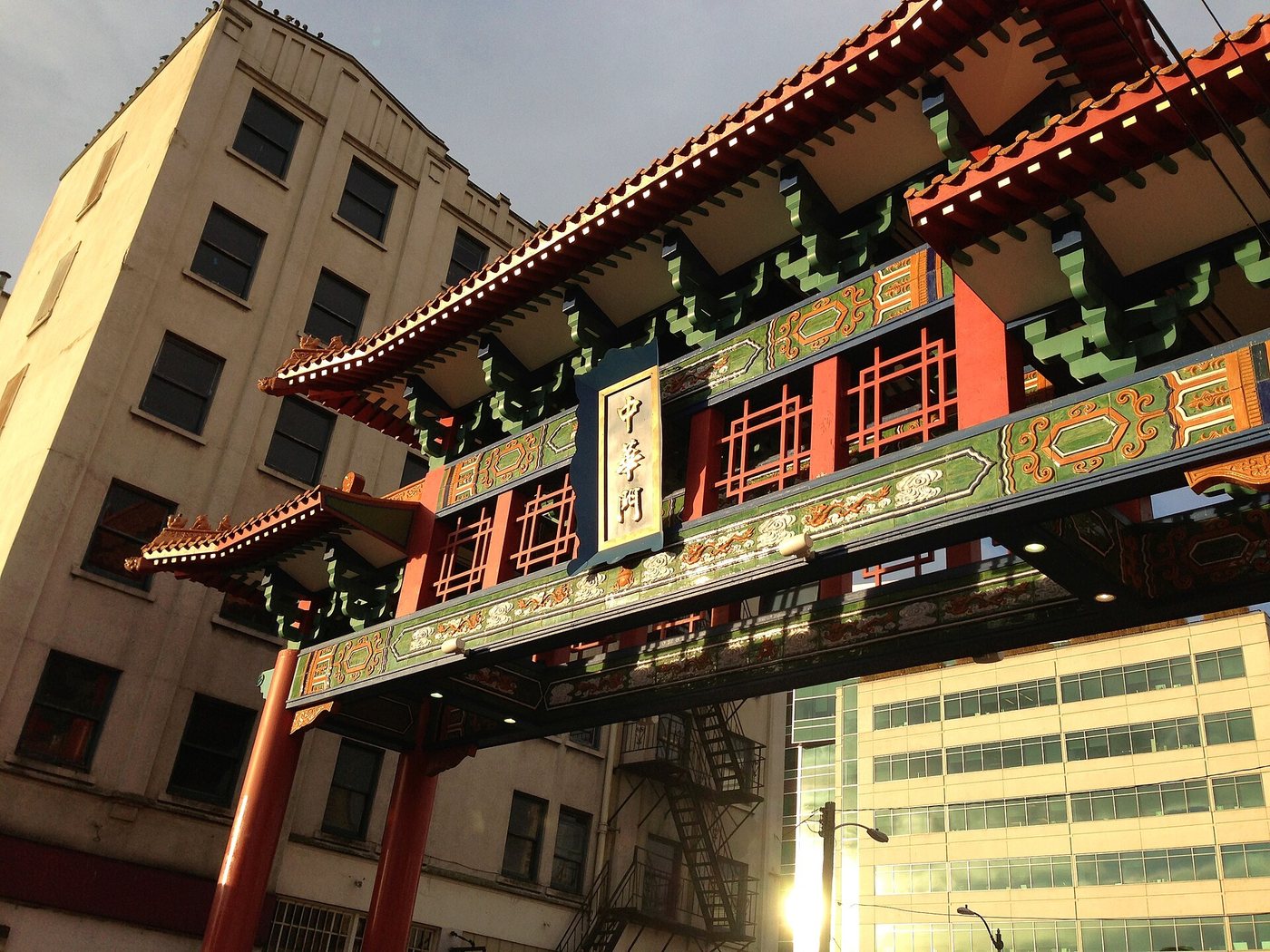
Seattle’s Chinatown–International District brings together Chinese, Japanese, Filipino, Vietnamese and other community histories, alongside an important African American presence. Its hotels, shops and institutions developed near transport and employment networks south of downtown. The district’s name recognizes breadth, but it should not flatten the different circumstances through which people arrived, worked and established homes.
Hotels connected people with work
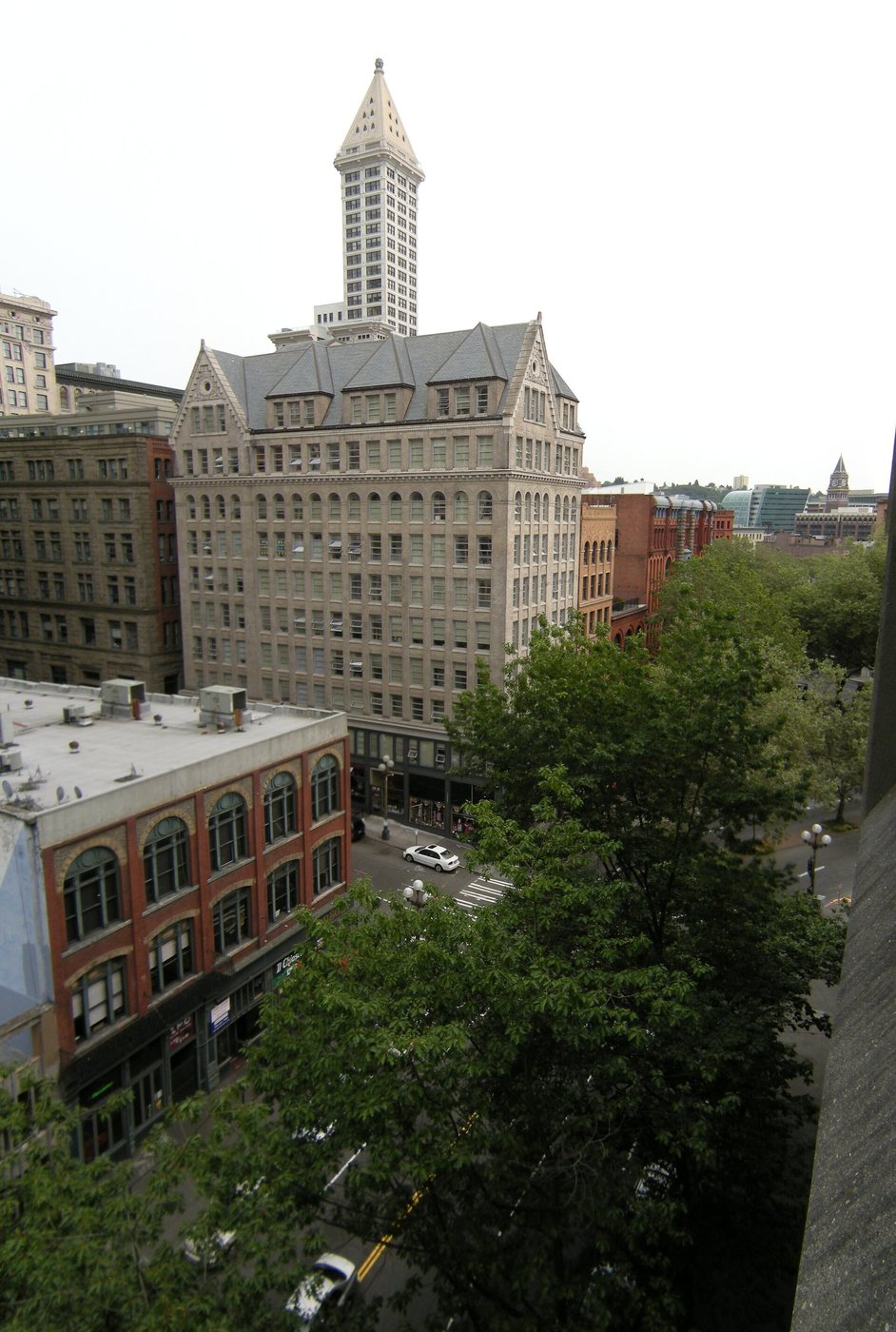
Early twentieth-century commercial and hotel buildings provided lodging close to the waterfront and railway stations. Many residents worked in occupations that required mobility, including seasonal cannery labor. Rooms, employment connections and familiar businesses helped people navigate a city marked by racial discrimination.
The buildings often combined storefronts with lodging above. That arrangement connected commercial life with residential needs at a small scale. A hotel facade therefore represents more than accommodation for visitors: it can also record the history of workers who depended on inexpensive rooms and neighborhood networks.
Different communities made different places
Chinese businesses concentrated around King Street, while Japantown developed around Main Street to the north. Japanese American businesses and households were profoundly disrupted by forced removal and incarceration during the Second World War. That rupture should not be described as an ordinary shift in neighborhood fashion.
Filipino residents established businesses and social connections in the district, and African American businesses contributed to the Jackson Street music and nightlife scene. Later Vietnamese arrivals developed Little Saigon around Twelfth Avenue and Jackson Street. These histories overlap geographically without becoming interchangeable.
Infrastructure brought pressure and organizing
Interstate 5 and the Kingdome introduced major physical and economic pressures. Community activists challenged displacement and sought housing, services and protection for historic buildings. Younger Asian American organizers worked across community lines while also responding to the needs of older residents.
The city established the International Special Review District in 1973. Its purpose included preserving the area’s Asian American character and encouraging rehabilitation for housing and pedestrian-oriented business. This was a broader objective than protecting a few distinctive rooflines.
Historic recognition did not end the need for advocacy. Buildings require maintenance, residents need affordable homes, and businesses depend on customers and suitable premises. The district’s preservation history is therefore closely connected with social services and community development.
A museum within the neighborhood’s fabric
The Wing Luke Museum occupies the East Kong Yick Building and interprets Asian American, Native Hawaiian and Pacific Islander histories. Preserved hotel and association spaces provide evidence of how parts of the building were used. These areas are accessed through the museum’s guided arrangements rather than treated as unrestricted passages.
The museum also emphasizes neighborhood stories beyond its own walls. That approach is useful because no single building can represent the district’s full population or chronology. Streets, businesses and institutions together provide a more complete account.
The district is best approached as an inhabited neighborhood with layered histories. Its visible architecture offers clues, but migration, exclusion, forced removal and organizing explain why those buildings matter. The continued presence of community institutions is part of the history still being made.