
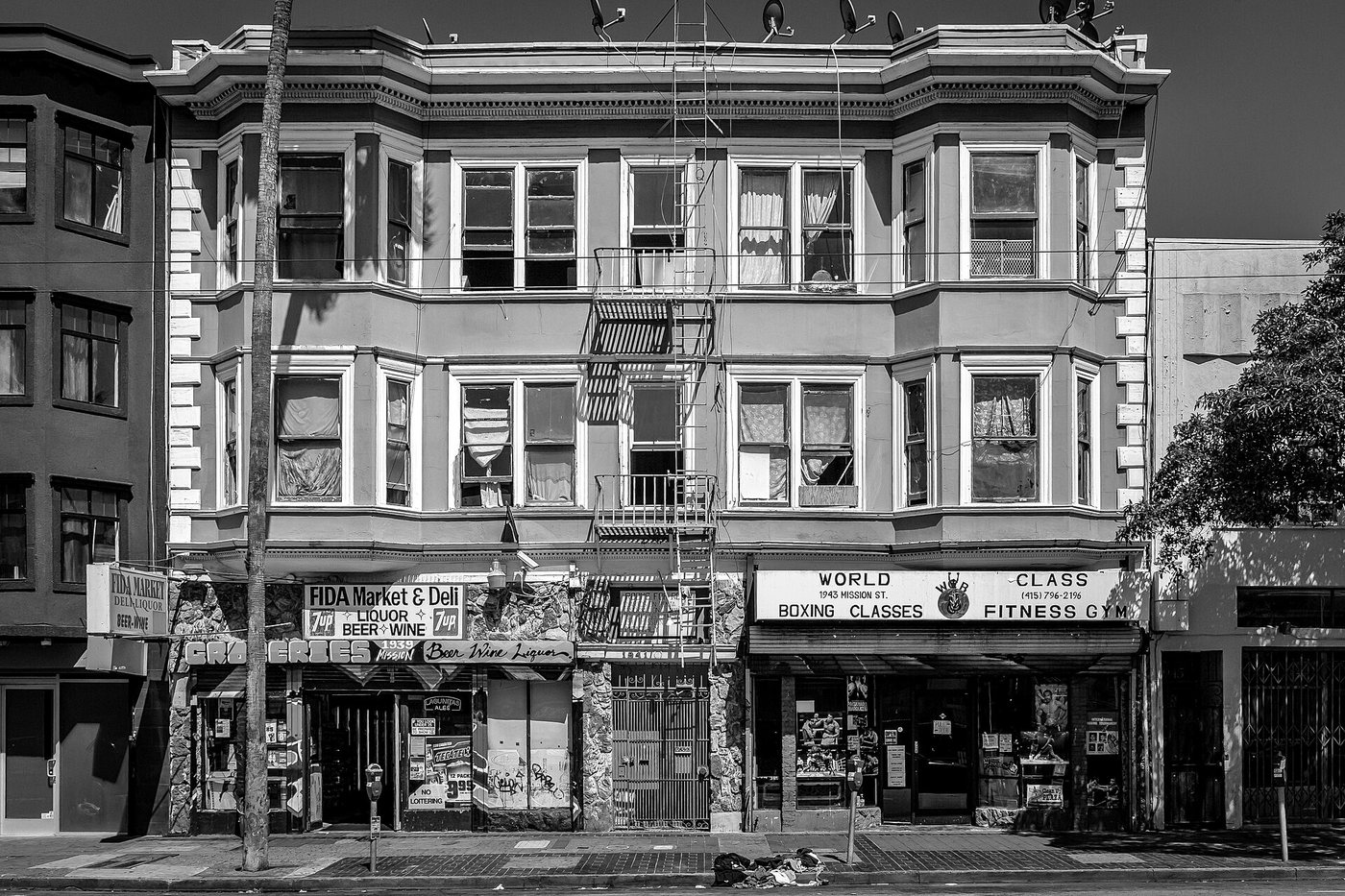
San Francisco’s Mission District is often introduced through food and murals, but those visible features belong to a larger social landscape. Latino cultural institutions, neighborhood businesses, housing and organizing have shaped the district over generations. Understanding that relationship prevents a visit from reducing the Mission to a collection of attractive surfaces detached from the people who sustain them.
A cultural district within a larger neighborhood
Calle 24 refers to the Latino Cultural District centered on the lower Twenty-Fourth Street corridor. It is not another name for the entire Mission. The distinction gives the designation a useful geographic focus while acknowledging that Latino histories and communities extend beyond its boundary.
San Francisco formally recognized the cultural district in 2014, following organizing by residents and merchants. The effort responded to displacement and the pressures associated with rising costs. Recognition was therefore not simply an award for a neighborhood’s appearance; it was connected with an attempt to preserve the conditions that allow cultural life to continue.
The organizing history reaches back before the formal designation. Community members worked through a neighborhood and merchants’ association, and the district’s later framework grew from those local efforts. The official boundary records a political and civic process rather than a sudden beginning of Latino presence.
Murals are made through relationships
The Mission’s murals include works created through collective and community processes. Precita Eyes Muralists, founded in 1977, has played an important role in that history. Its work connects artists, residents and public settings rather than treating walls as anonymous exhibition space.
Balmy Alley is one place where murals can be encountered in a concentrated area. The subjects and artists vary, and the surfaces change over time through weathering, repair and new work. An individual mural should therefore be read through its own imagery and attribution rather than assigned a generic meaning based only on its location.
The placement of art on neighborhood walls also matters. Garages, fences and buildings remain part of everyday life. The alley’s artistic significance does not remove those ordinary functions or make private areas available for entry.
Preserving culture involves more than preserving facades
The Mission Action Plan addresses concerns including housing, businesses and community stability. That broader scope is necessary because a district can retain familiar architectural features while losing residents and institutions. A painted wall alone cannot maintain a language network, a social service or a family business.
Cultural preservation therefore involves economic conditions as well as historic recognition. The continued ability of people to live, work and organize in the neighborhood is connected with the survival of the practices visitors come to see. This relationship is more complex than a simple opposition between old and new buildings.
For a short visit, the Twenty-Fourth Street corridor can provide a focused introduction to that cultural geography. The murals and storefronts become more informative when considered alongside the district’s own account of why recognition was sought. They are evidence of ongoing community activity, not proof that the pressures that prompted designation have disappeared.
.jpg)

