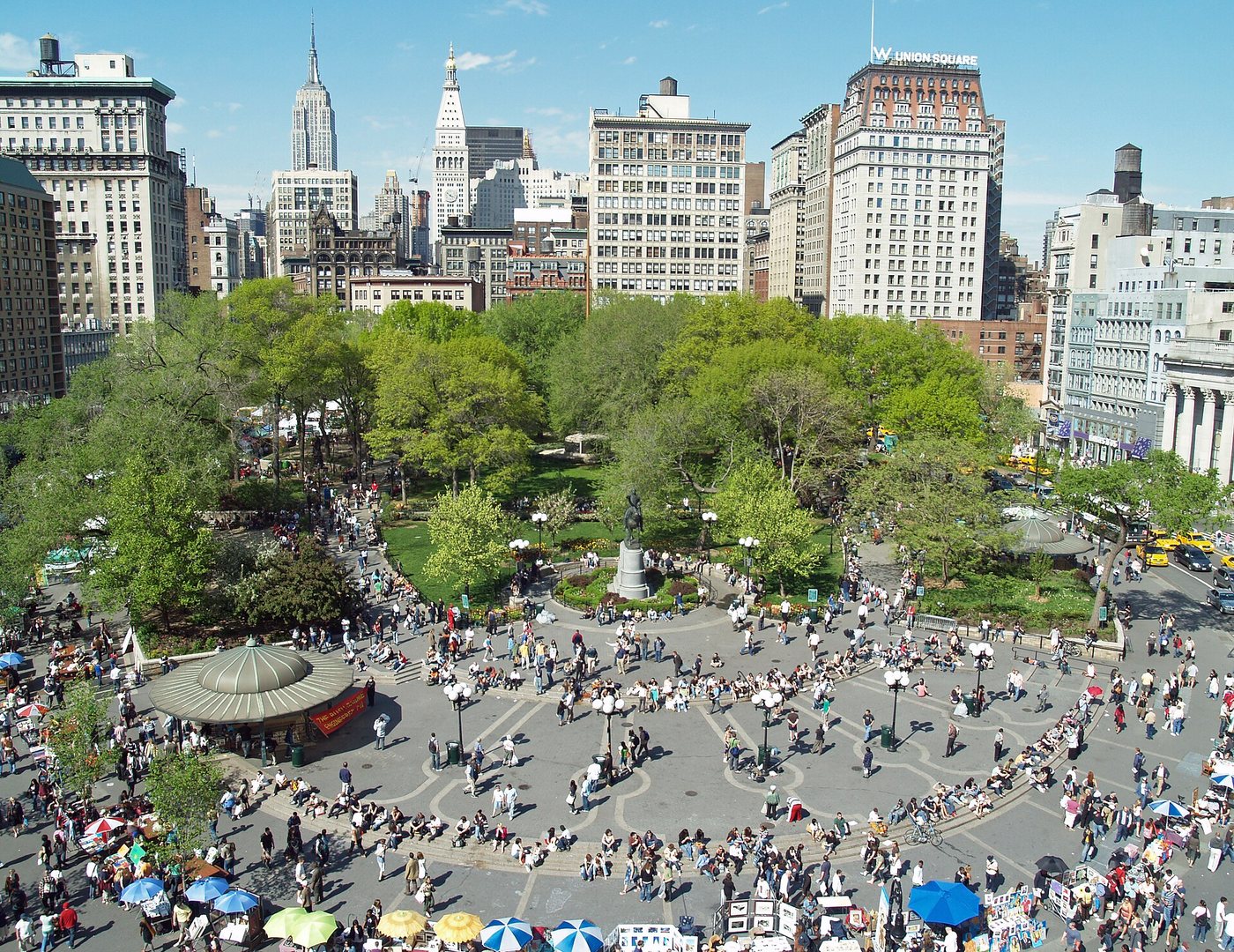
David Shankbone · CC BY-SA 3.0. Resized; thumbnails may be cropped.
New York / Public spaces
The shape of the streets, a history of public assembly and a farmers market explain why Union Square works as more than a patch of greenery.
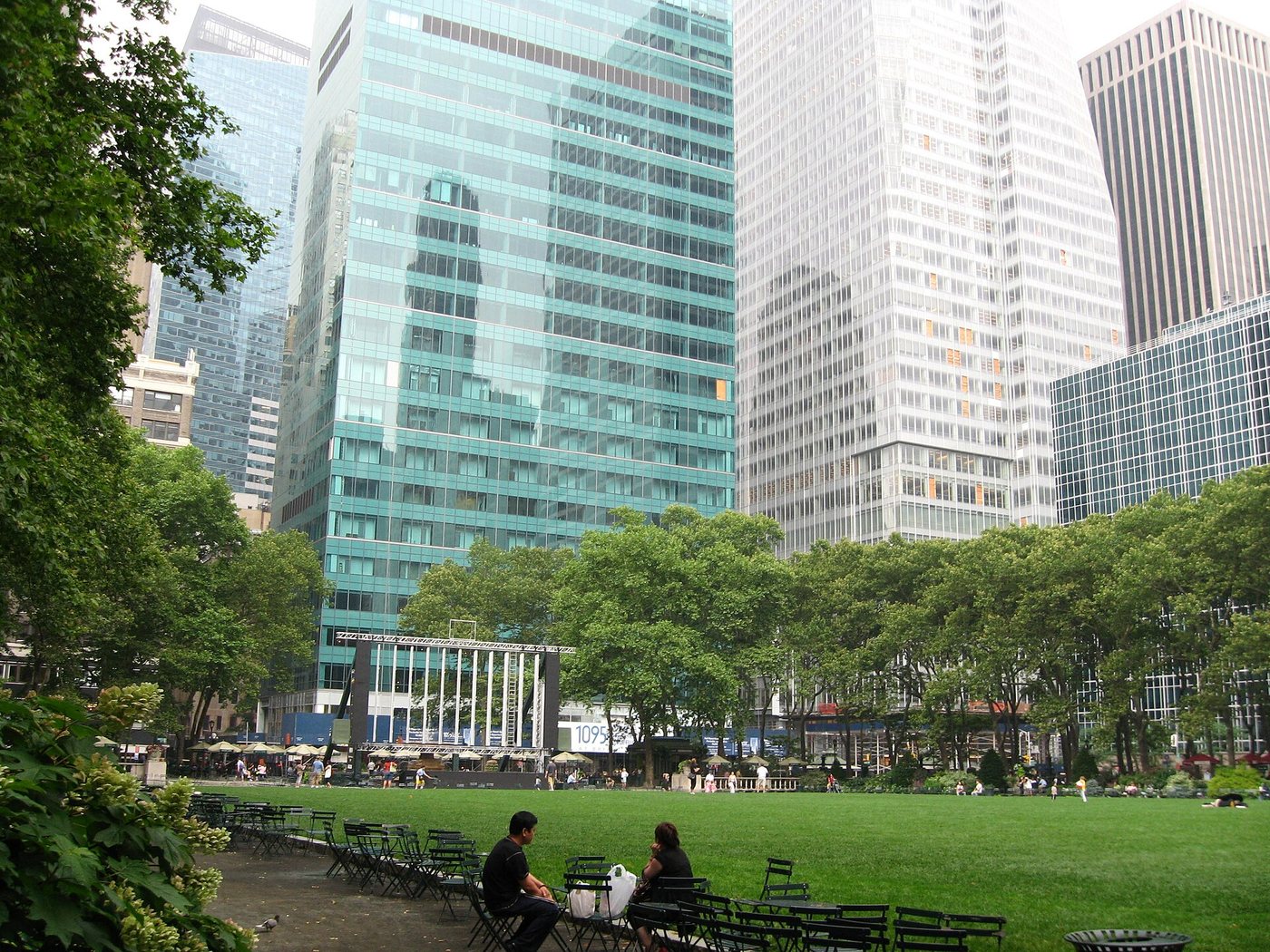
New York / Public spaces
Visibility, movable seating and the back of a library help explain this Midtown park’s changing role.
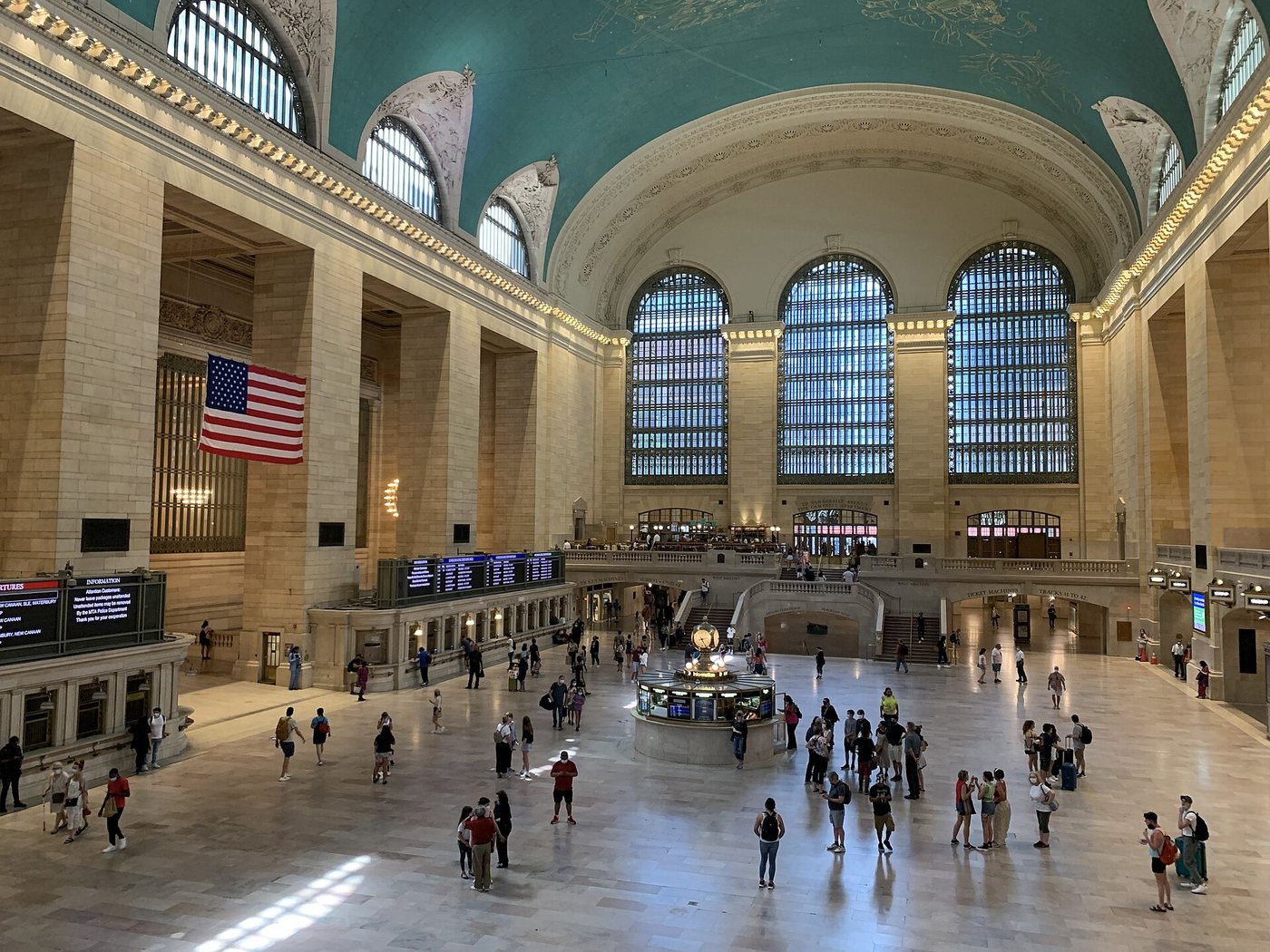
PCN02WPS · CC BY-SA 4.0. Resized; thumbnails may be cropped.
New York / Buildings & history
Look beyond the ceiling to the way a major railway terminal gathers, sorts and releases its passengers.
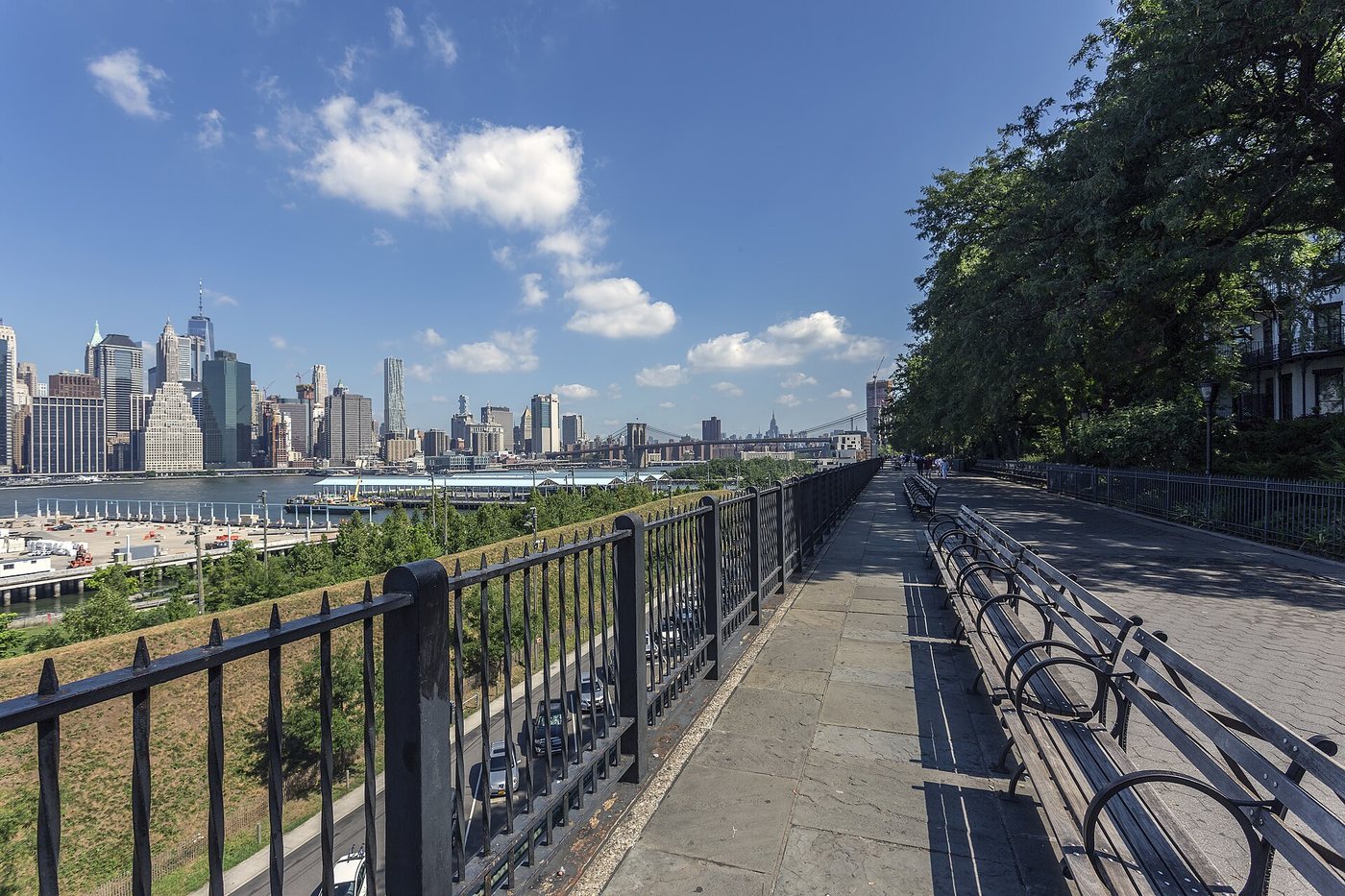
Acroterion · CC BY-SA 4.0. Resized; thumbnails may be cropped.
New York / Neighborhoods
The streets of Brooklyn Heights and the riverfront below them tell related stories at different elevations.
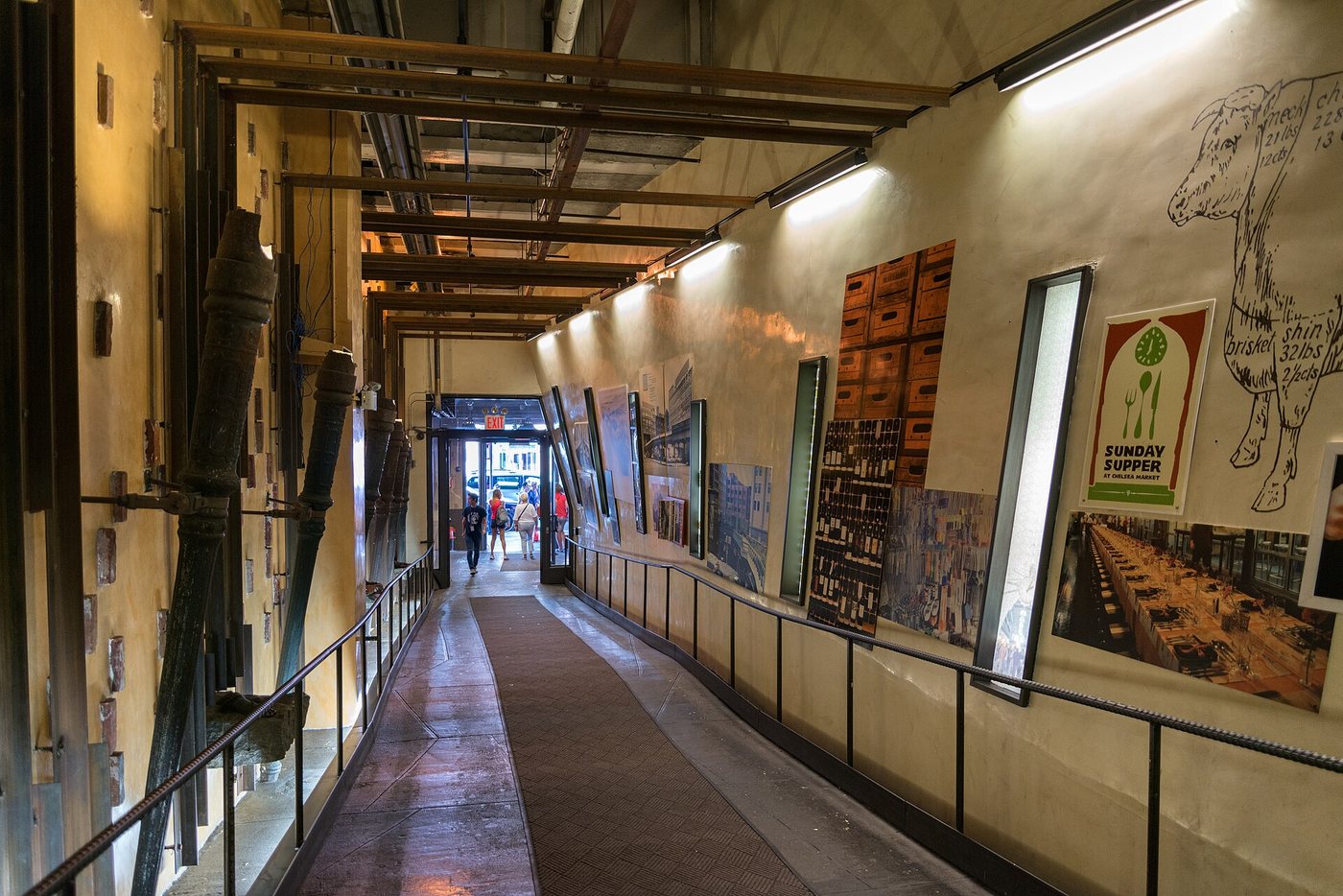
Giorgio Galeotti · CC BY 3.0. Resized; thumbnails may be cropped.
New York / Markets & food
The former biscuit works provides a way to understand food production, freight and the later reuse of industrial space.
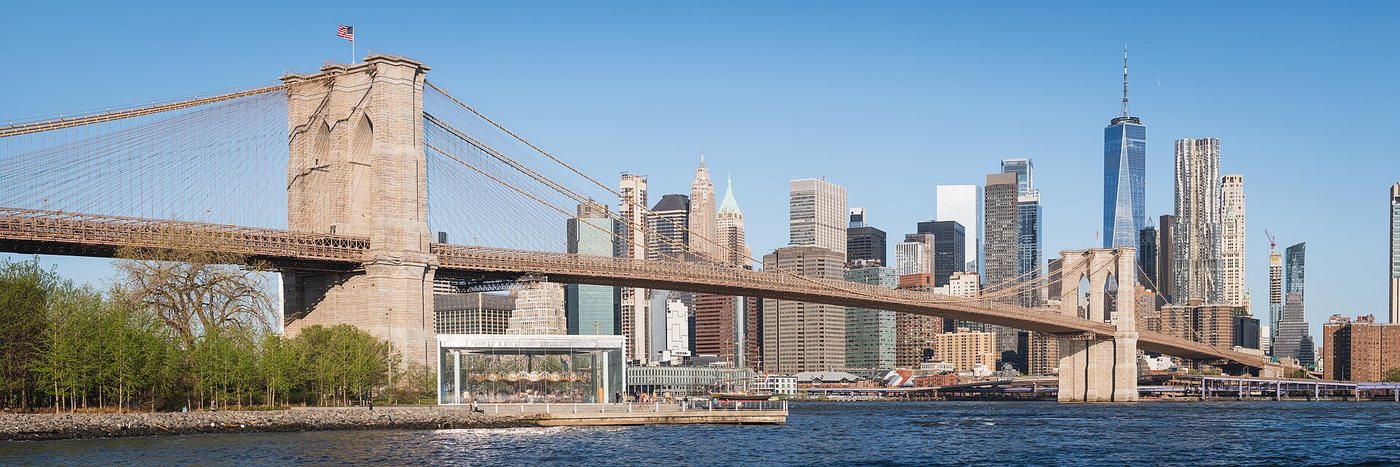
Christian David · CC BY-SA 4.0. Resized; thumbnails may be cropped.
New York / Routes & connections
A pedestrian crossing reveals the Brooklyn Bridge’s approaches, suspended span and continuing transport role.
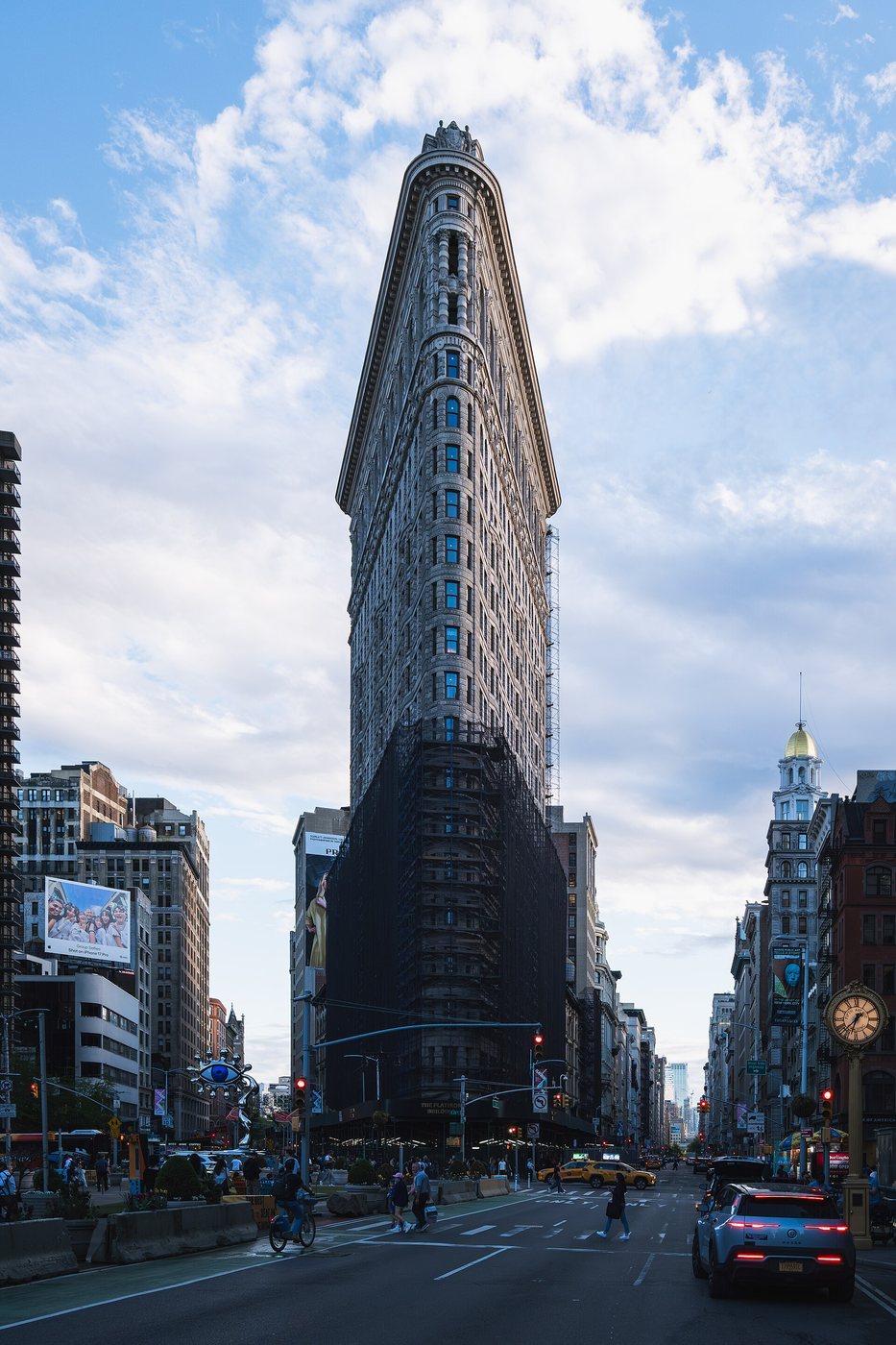
Christian David · CC BY-SA 4.0. Resized; thumbnails may be cropped.
New York / Buildings & history
The Flatiron’s recognizable outline begins with an ordinary problem: fitting a tall building onto an unusual parcel.
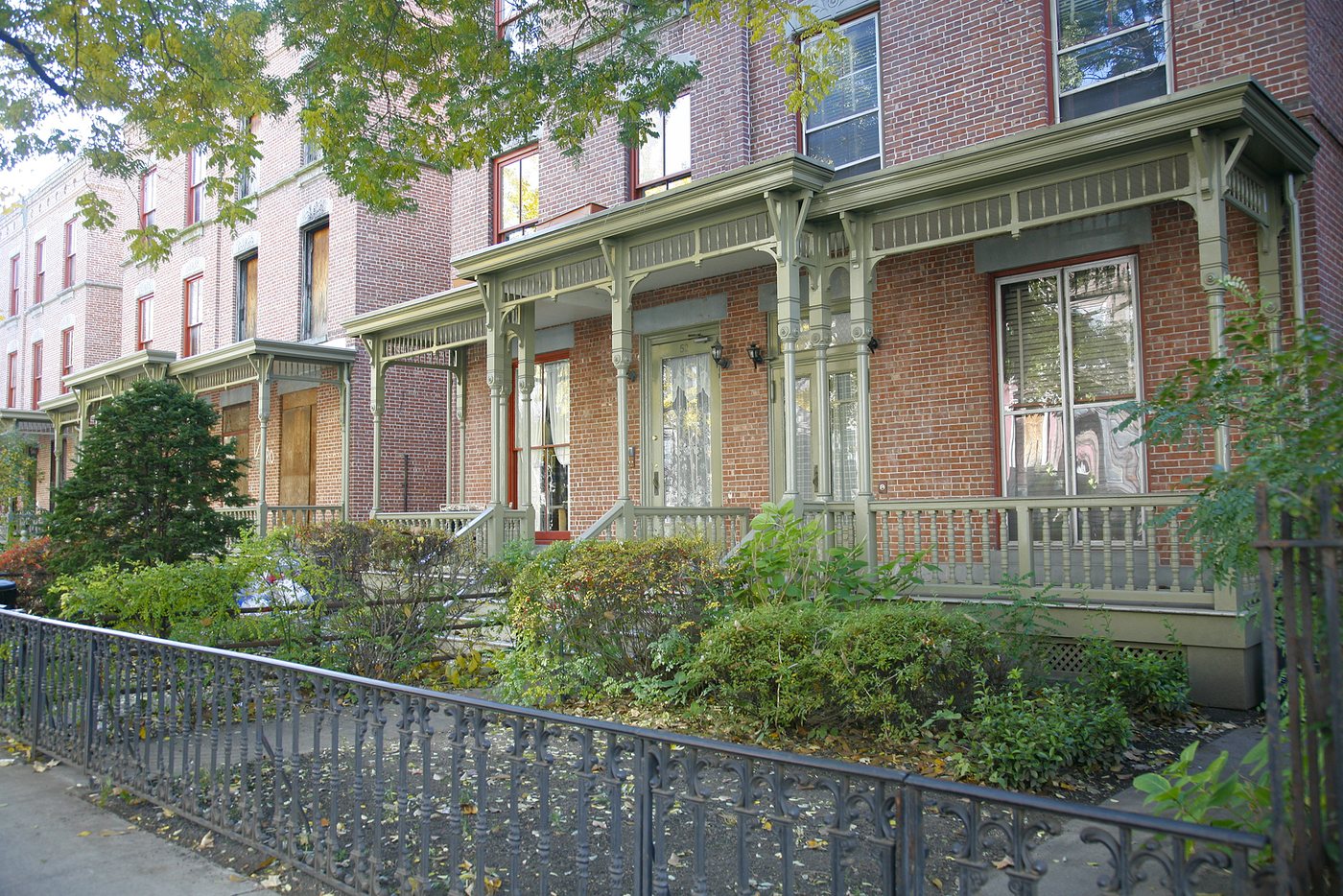
New York / Neighborhoods
Astor Row’s porches and setbacks distinguish one Harlem block without standing in for the whole neighborhood.
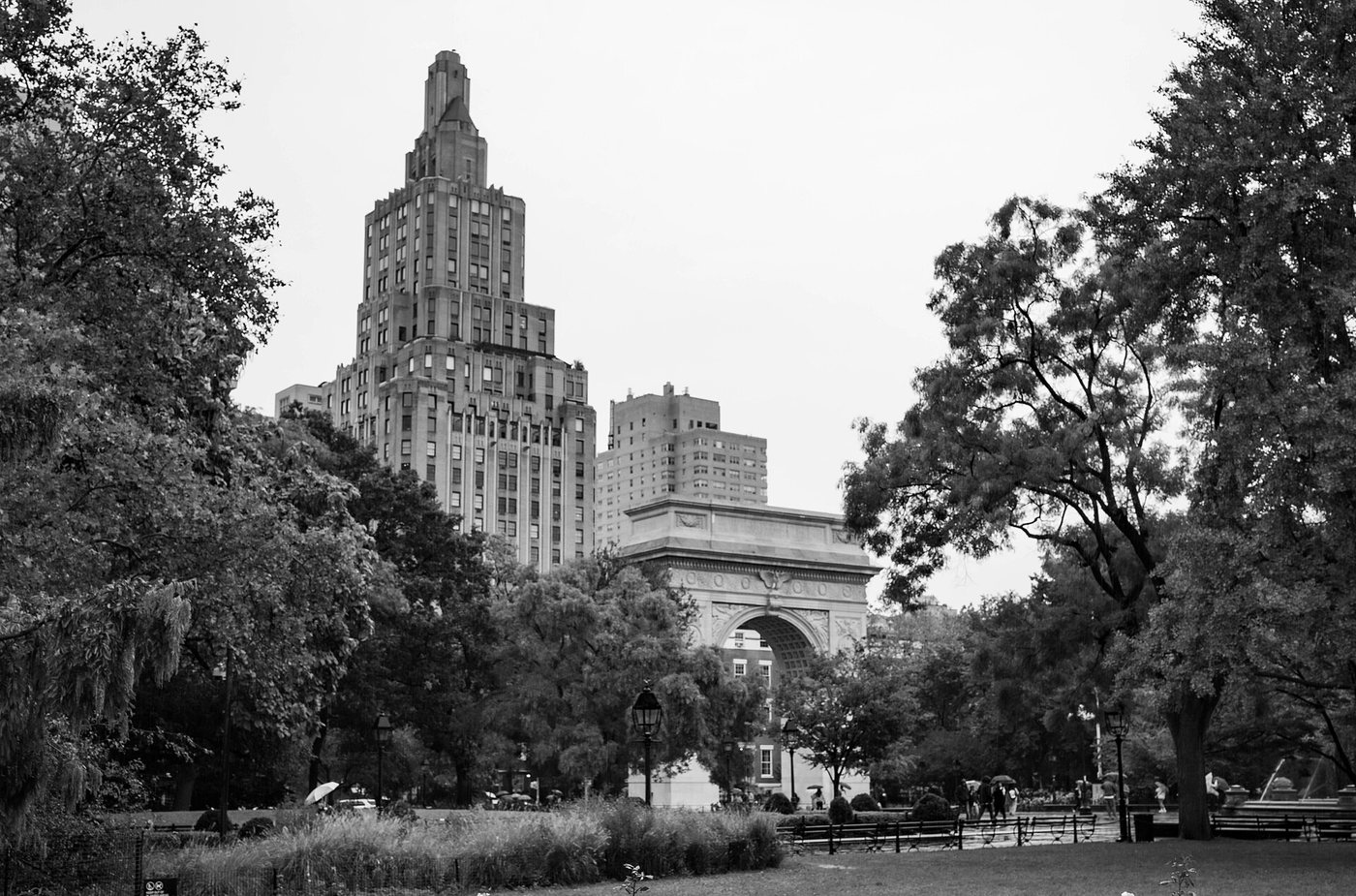
rboed* · CC BY 2.0. Resized; thumbnails may be cropped.
New York / Public spaces
Washington Square’s arch is the most visible landmark, but the ground beneath it and the paths around it hold a longer history.


