Jud McCranie · CC BY-SA 4.0. Resized; thumbnails may be cropped.
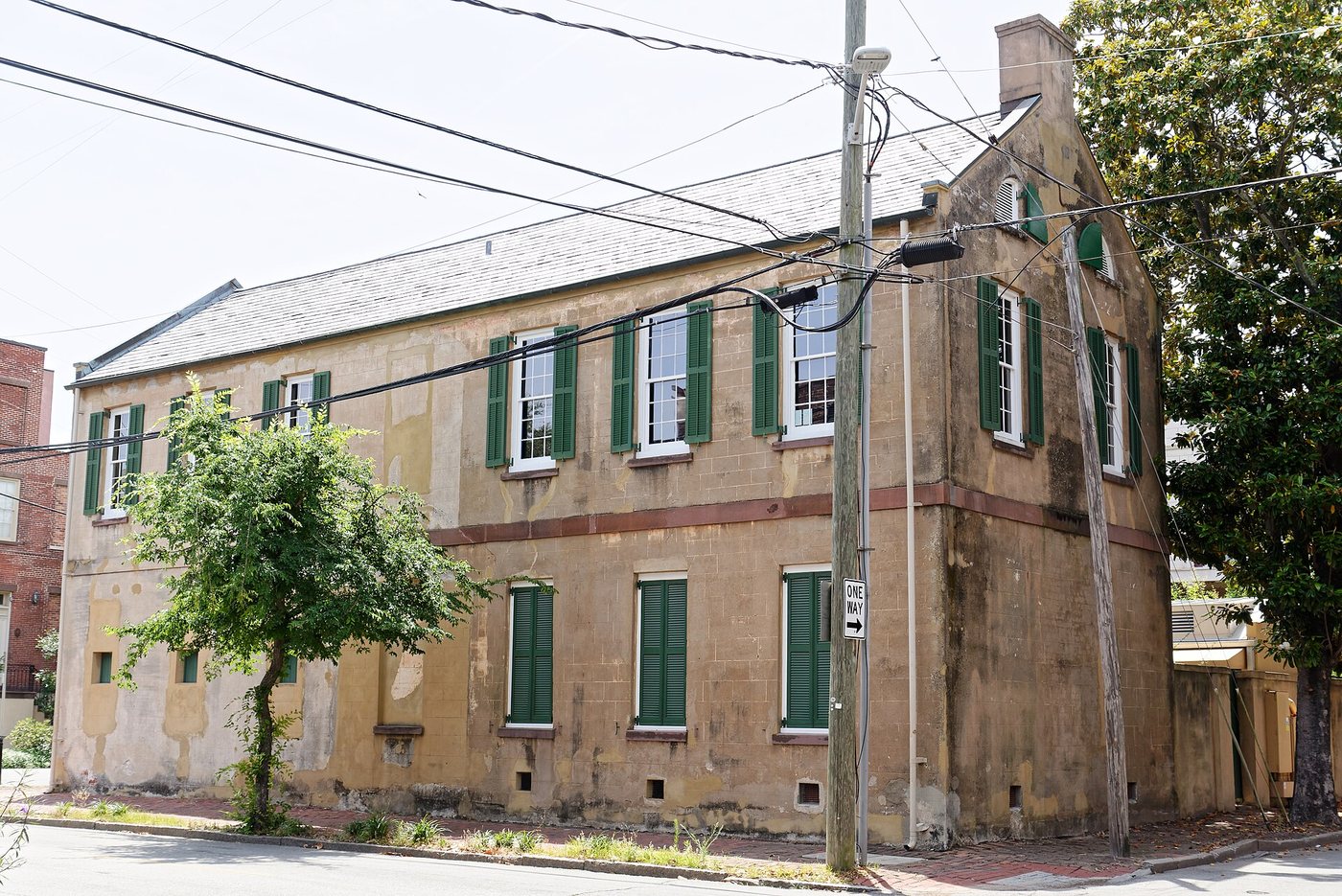
Savannah / Buildings & history
The Owens-Thomas property explains architectural display and urban slavery through the relationship between the mansion, quarters and workspaces.
Continue reading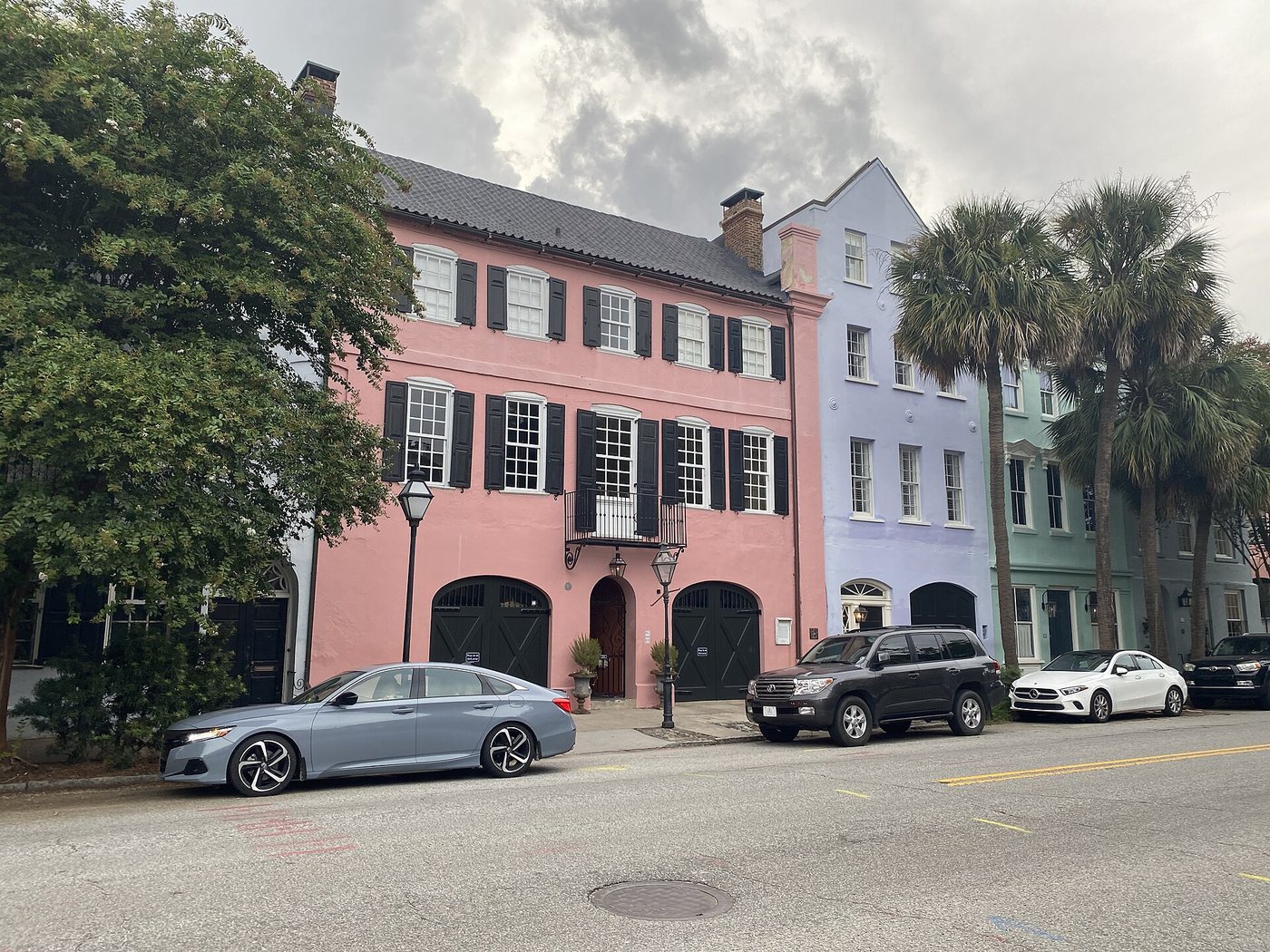
Charleston / Buildings & history
Rainbow Row’s colors are a chapter in twentieth-century preservation, layered onto older merchant buildings.
Continue reading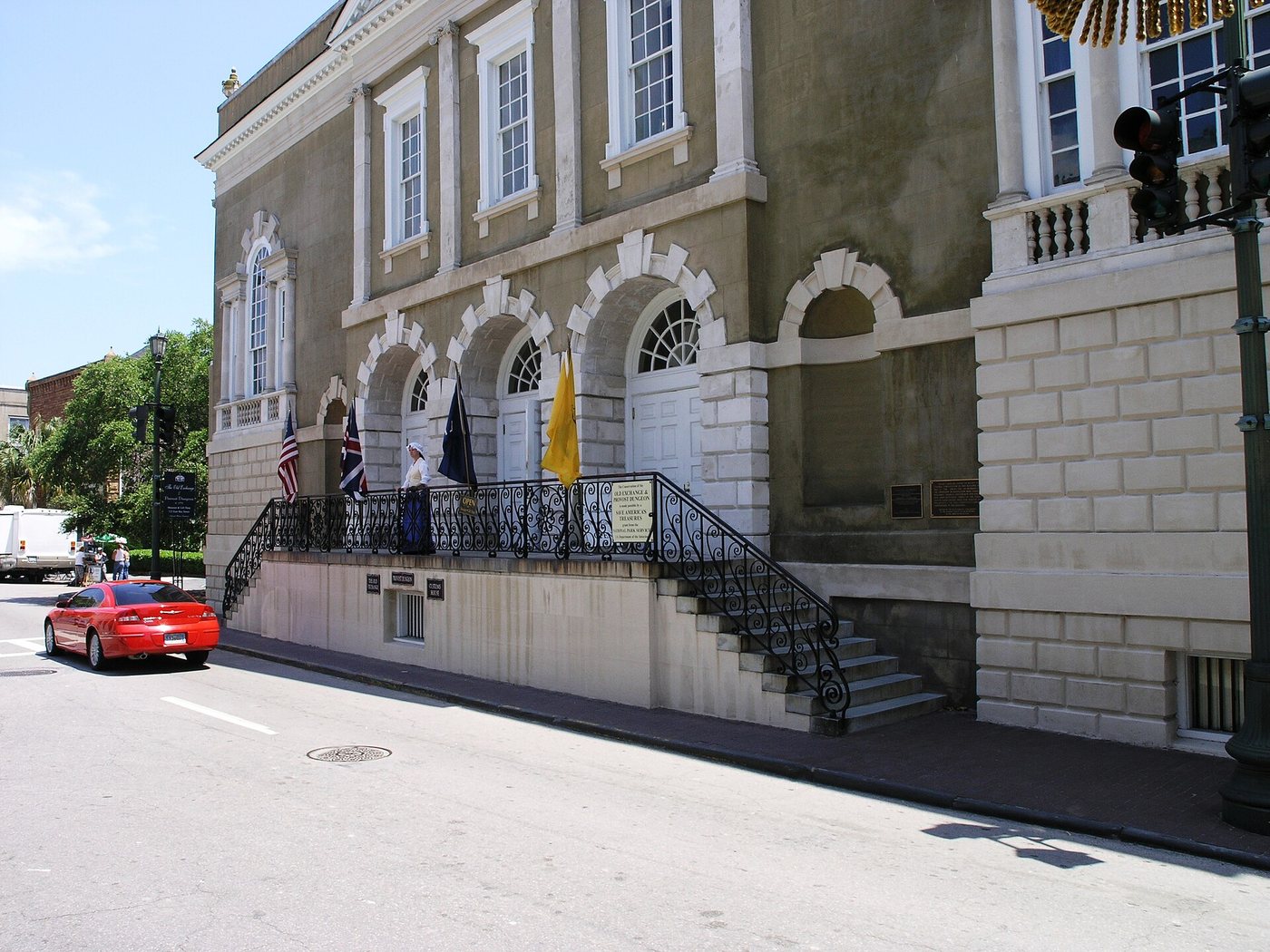
Daniel Mayer · CC BY-SA 3.0. Resized; thumbnails may be cropped.
Charleston / Buildings & history
The Old Exchange contains the overlapping histories of commerce, government, imprisonment and the domestic slave trade.
Continue reading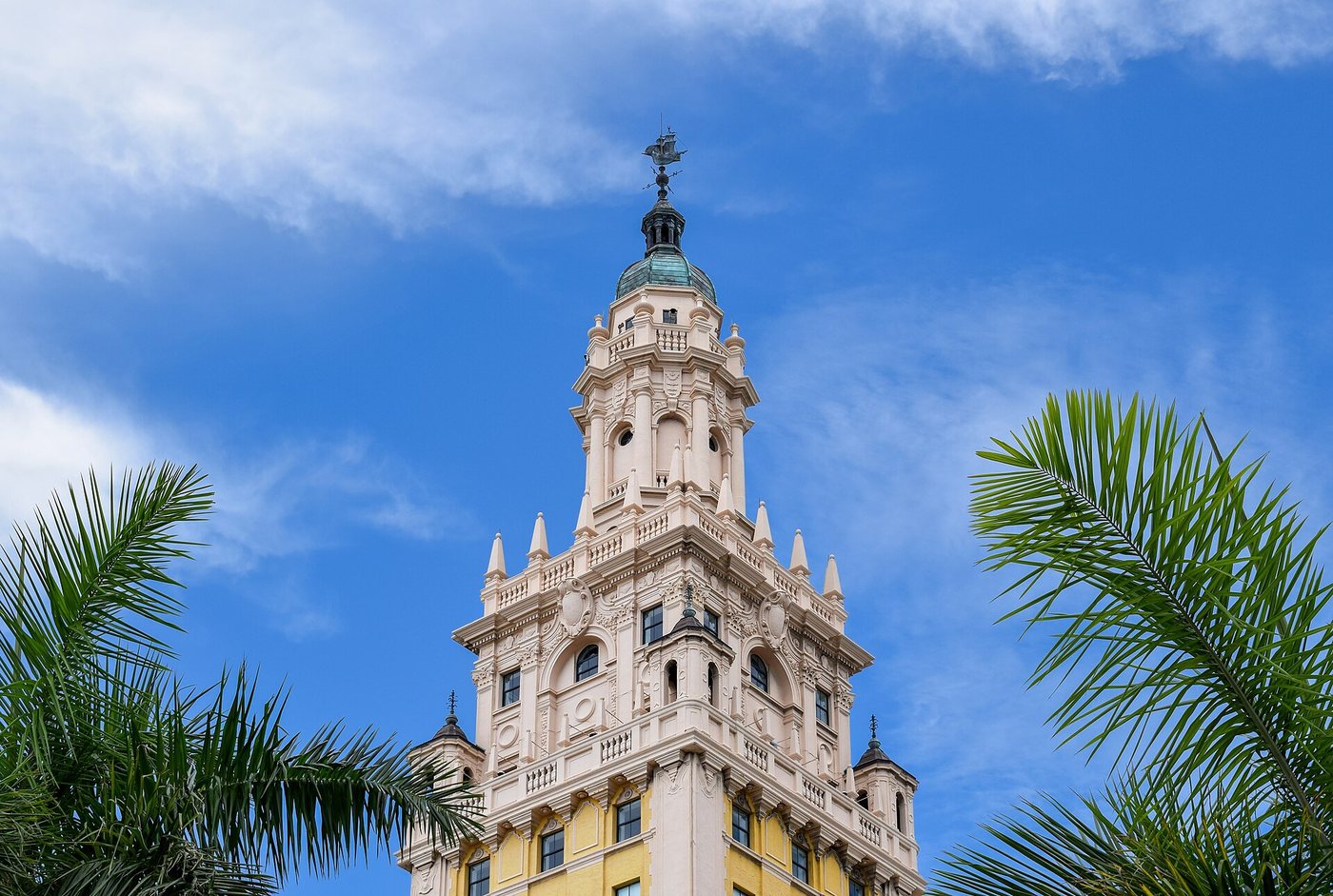
Miami / Buildings & history
Freedom Tower’s meaning changed from a newspaper landmark to a place associated with Cuban refugee assistance and cultural memory.
Continue reading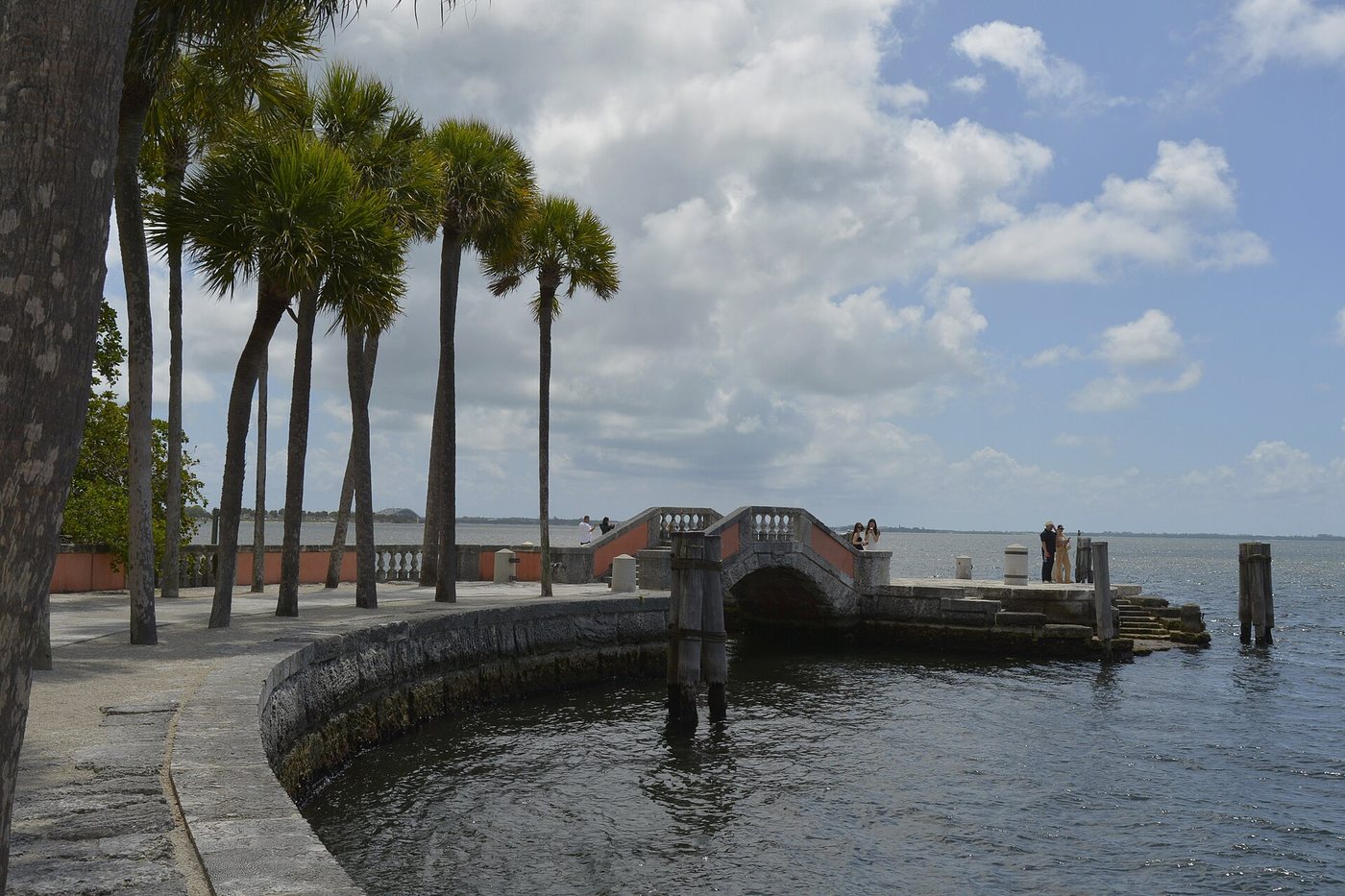
Leslie Platt · CC BY 2.0. Resized; thumbnails may be cropped.
Miami / Buildings & history
Vizcaya’s house, formal gardens and service village form one estate, combining historicist design with the work required to sustain it.
Continue reading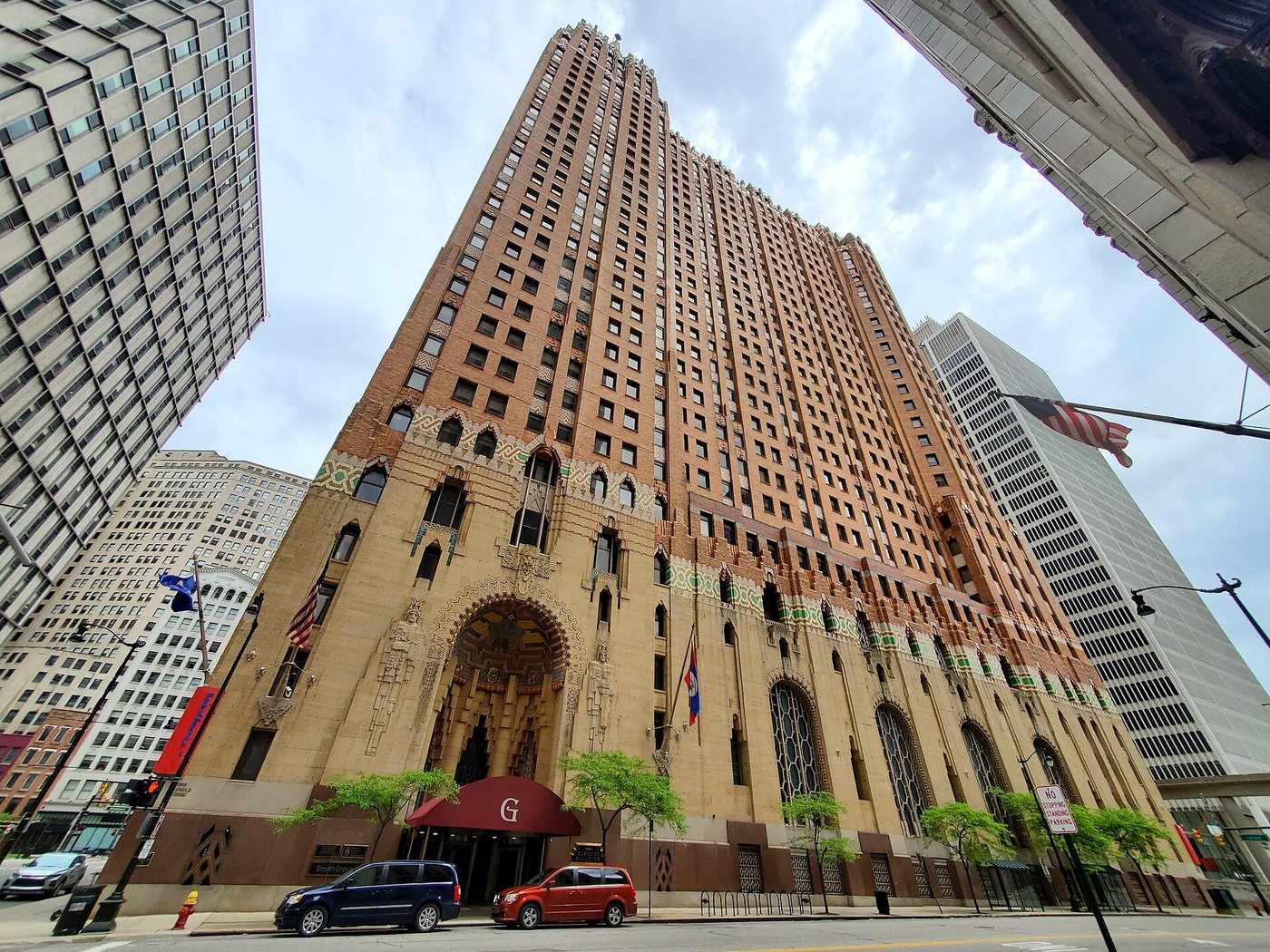
JJonahJackalope · CC BY-SA 4.0. Resized; thumbnails may be cropped.
Detroit / Buildings & history
The Guardian Building uses brick, tile and ceremonial interior space to turn a commercial office tower into an architectural statement.
Continue reading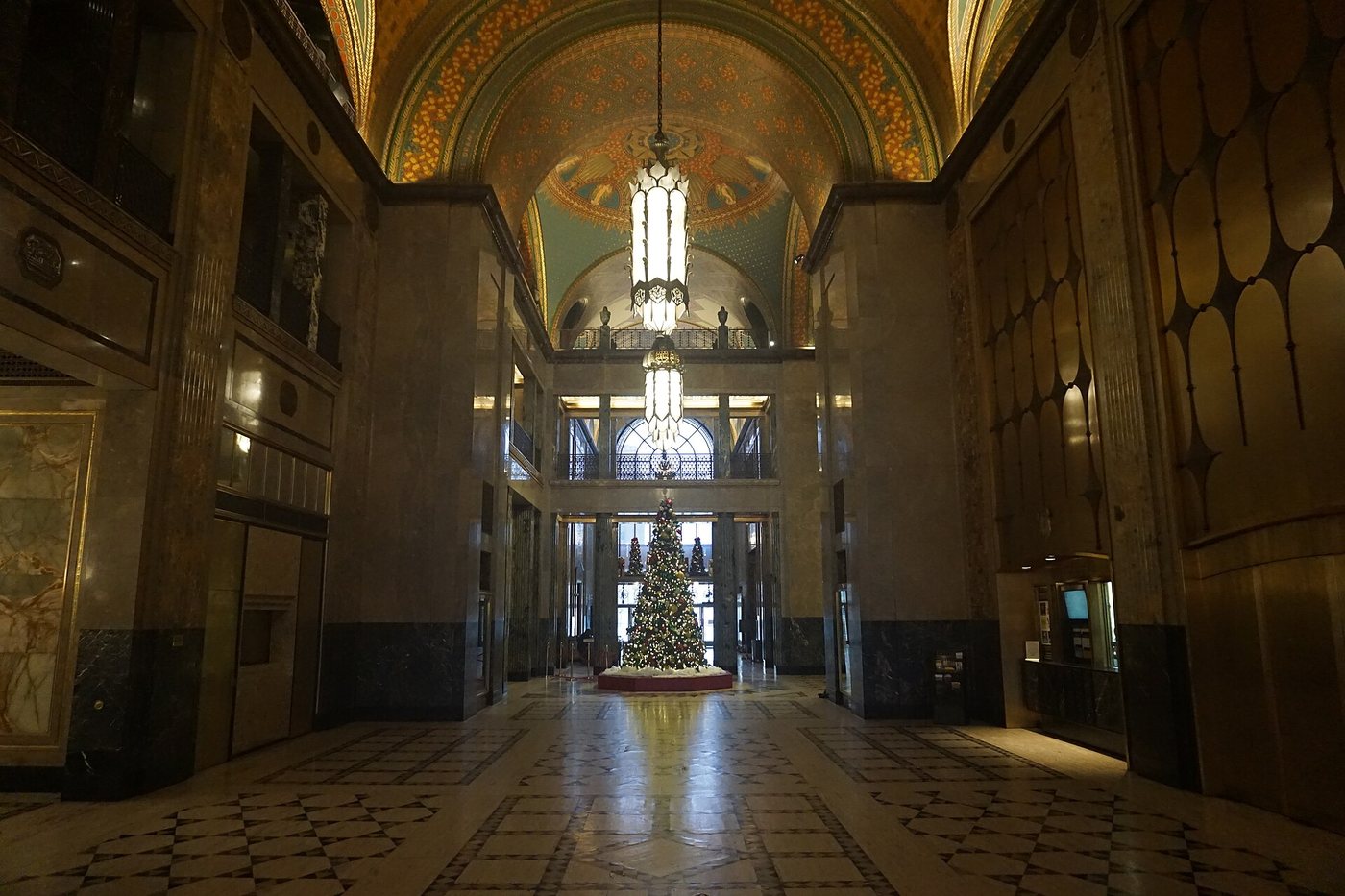
Michael Barera · CC BY-SA 4.0. Resized; thumbnails may be cropped.
Detroit / Buildings & history
The arcade and tower translate automotive wealth into a building intended to be seen at several scales.
Continue reading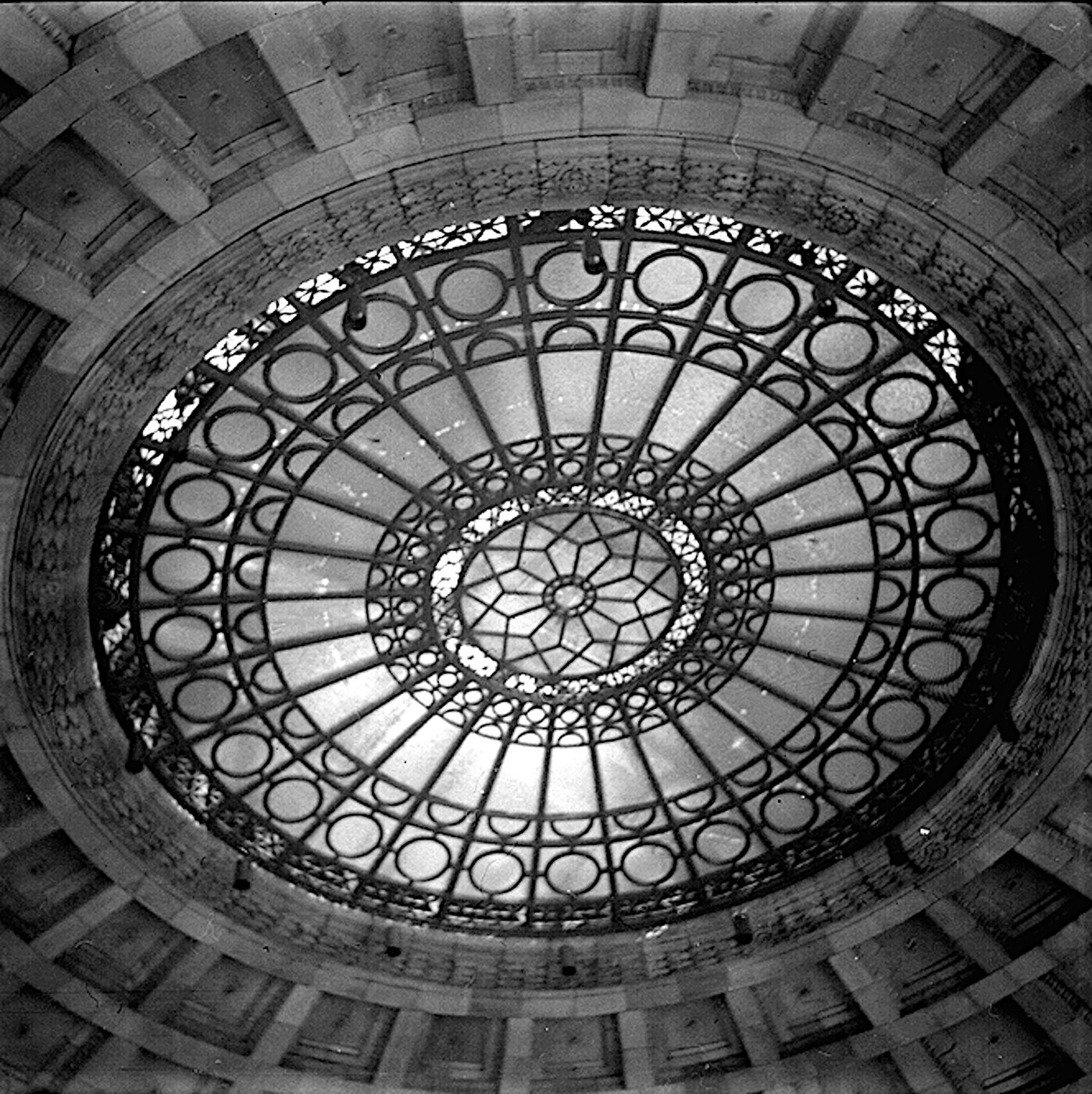
Pittsburgh / Buildings & history
A carriage entrance survives as the most visible part of a station whose passenger functions moved elsewhere.
Continue reading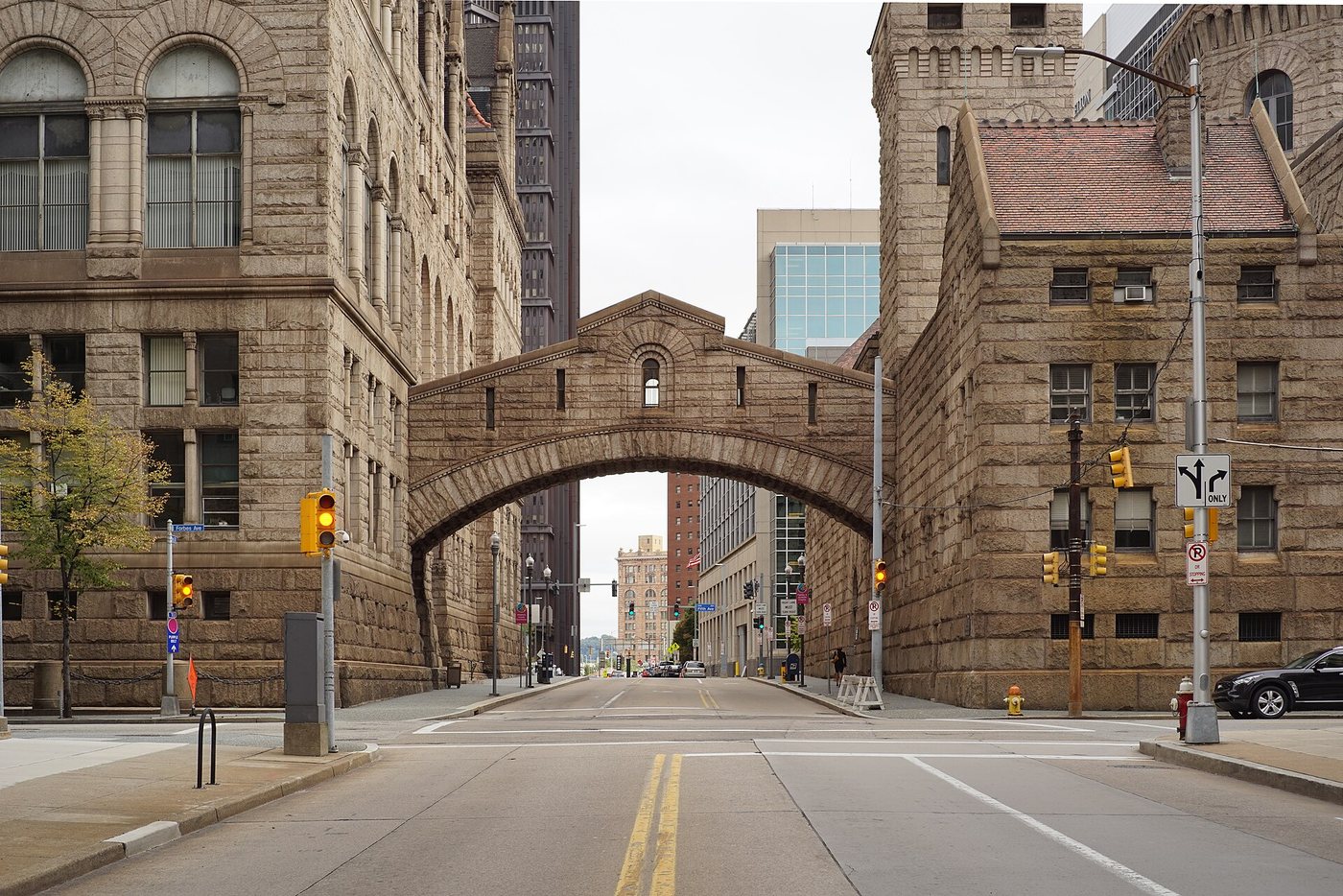
Dllu · CC BY-SA 4.0. Resized; thumbnails may be cropped.
Pittsburgh / Buildings & history
Richardson’s courthouse uses heavy masonry and an interior court to give civic architecture a distinctive presence.
Continue reading