PCN02WPS · CC BY-SA 4.0. Resized; thumbnails may be cropped.
New York / Buildings & history
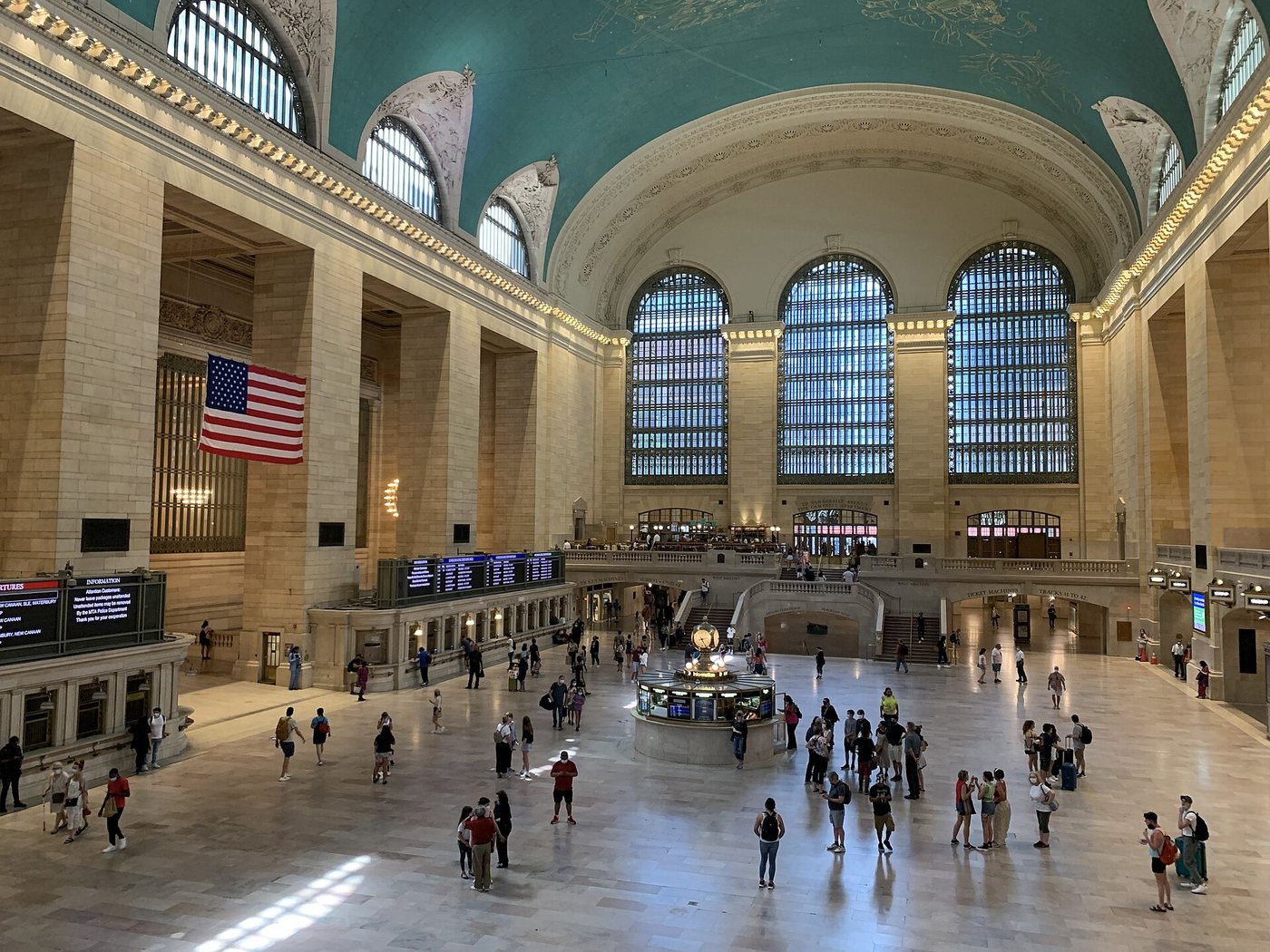
Look beyond the ceiling to the way a major railway terminal gathers, sorts and releases its passengers.
Christian David · CC BY-SA 4.0. Resized; thumbnails may be cropped.
New York / Buildings & history
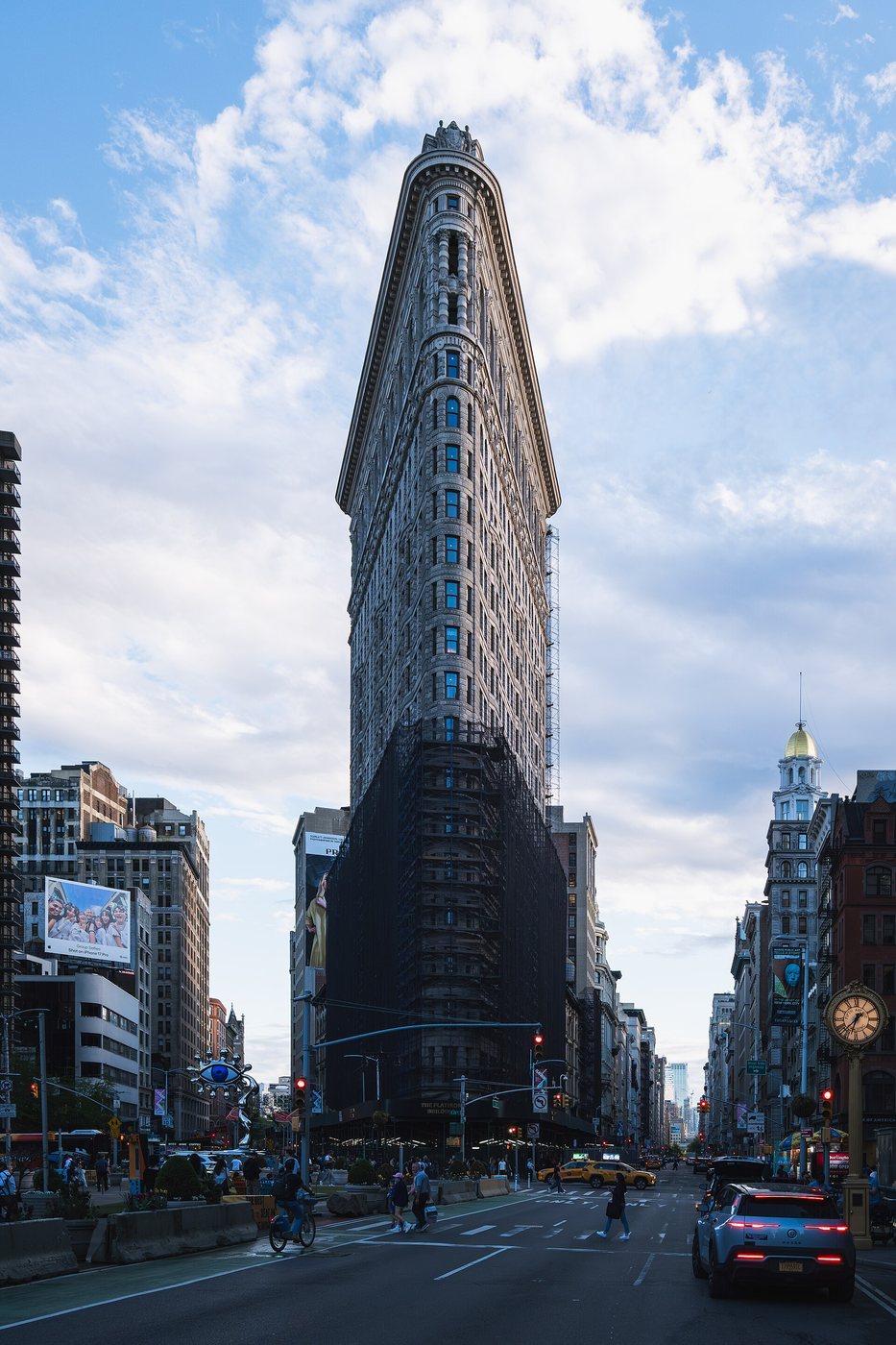
The Flatiron’s recognizable outline begins with an ordinary problem: fitting a tall building onto an unusual parcel.
The original uploader was DS1953 at English Wikipedia. · CC BY-SA 2.5. Resized; thumbnails may be cropped.
Chicago / Buildings & history
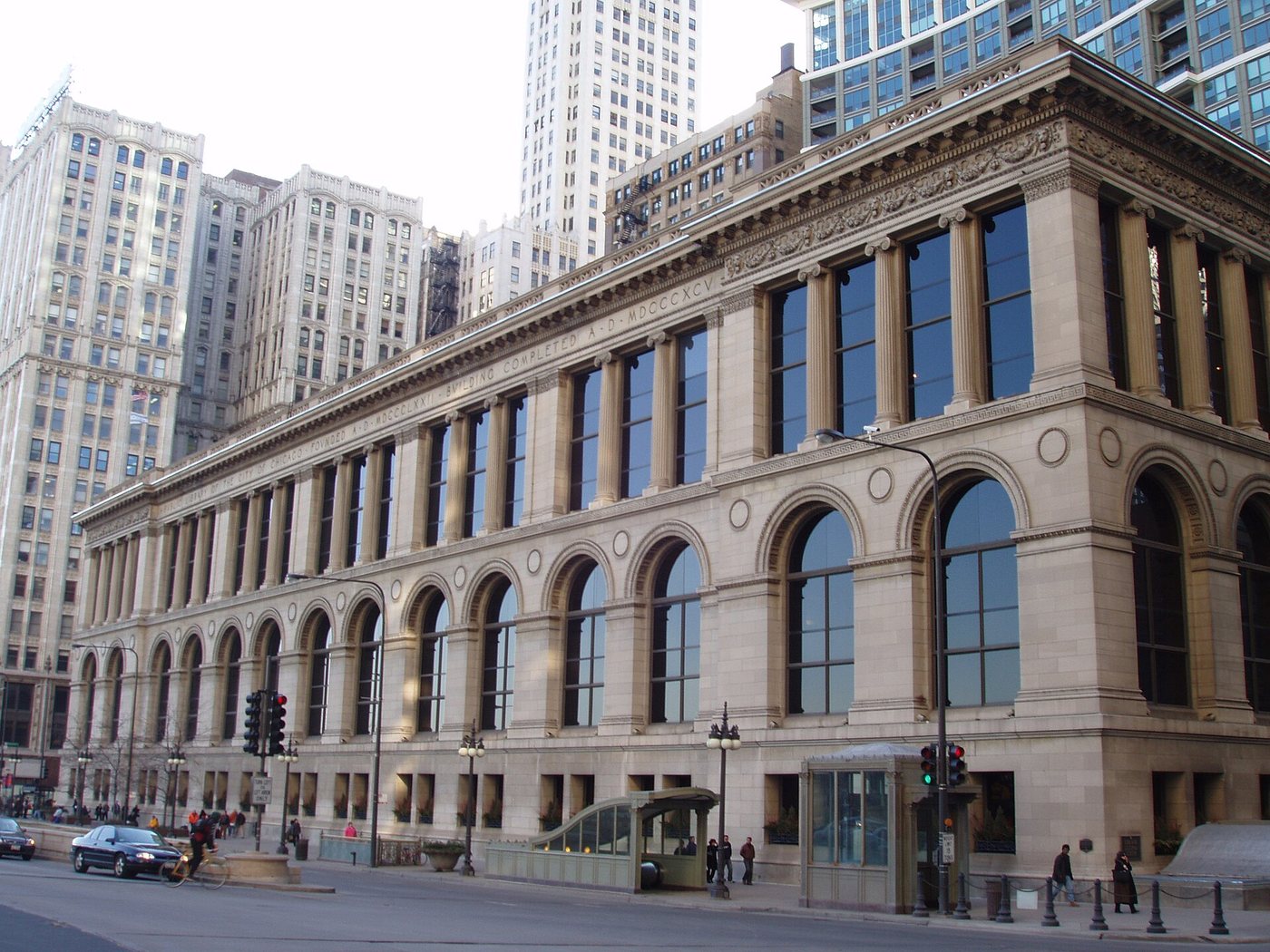
The Cultural Center’s richly decorated rooms preserve the ambitions of a public library and a Civil War memorial within one building.
Velvet · CC BY-SA 3.0. Resized; thumbnails may be cropped.
Chicago / Buildings & history
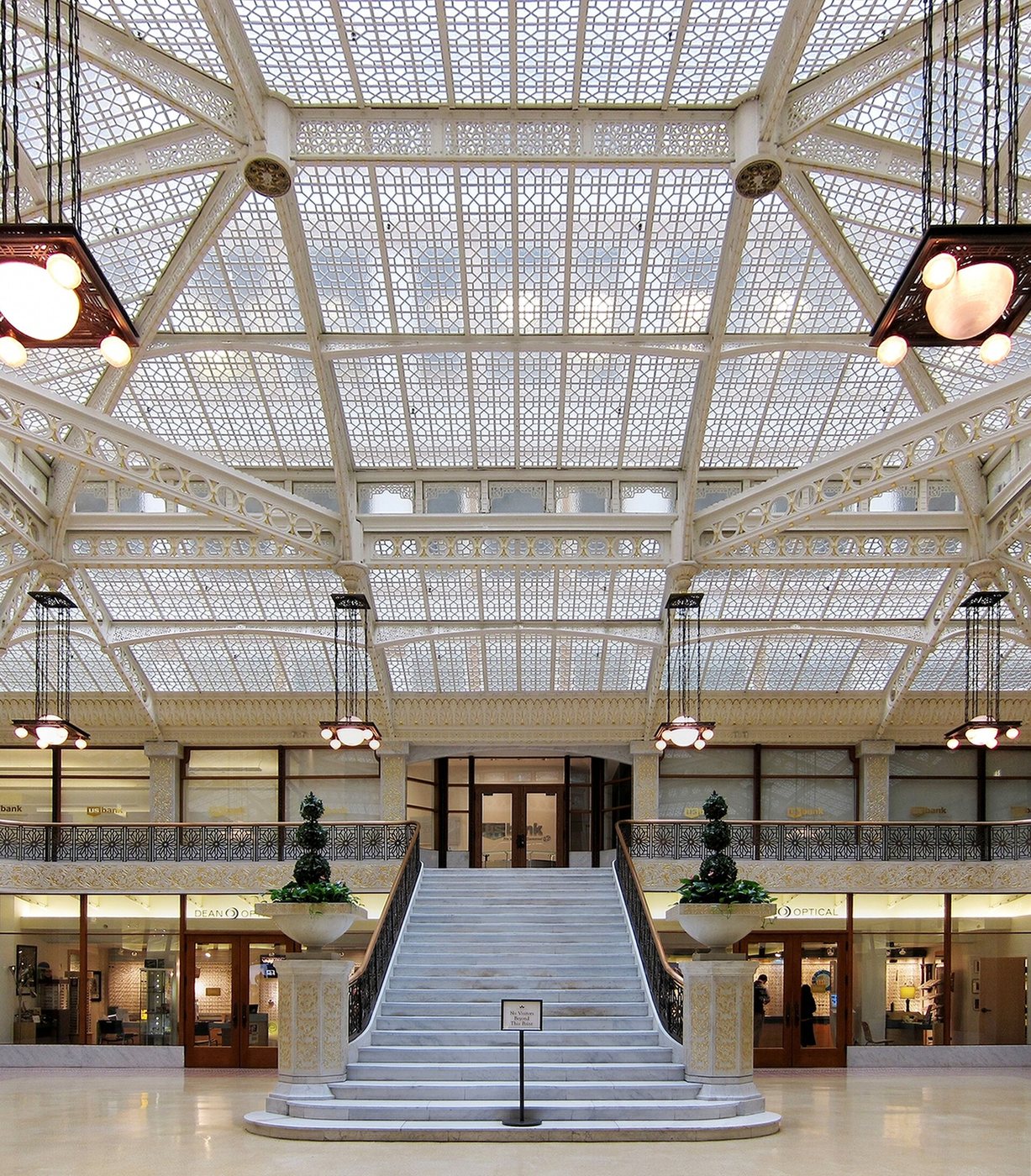
The Rookery’s light court exposes a central challenge of early tall offices: bringing daylight and circulation into a deep building.
Esther Westerveld from Nieuwkoop, Nederland · CC BY 2.0. Resized; thumbnails may be cropped.
Chicago / Buildings & history
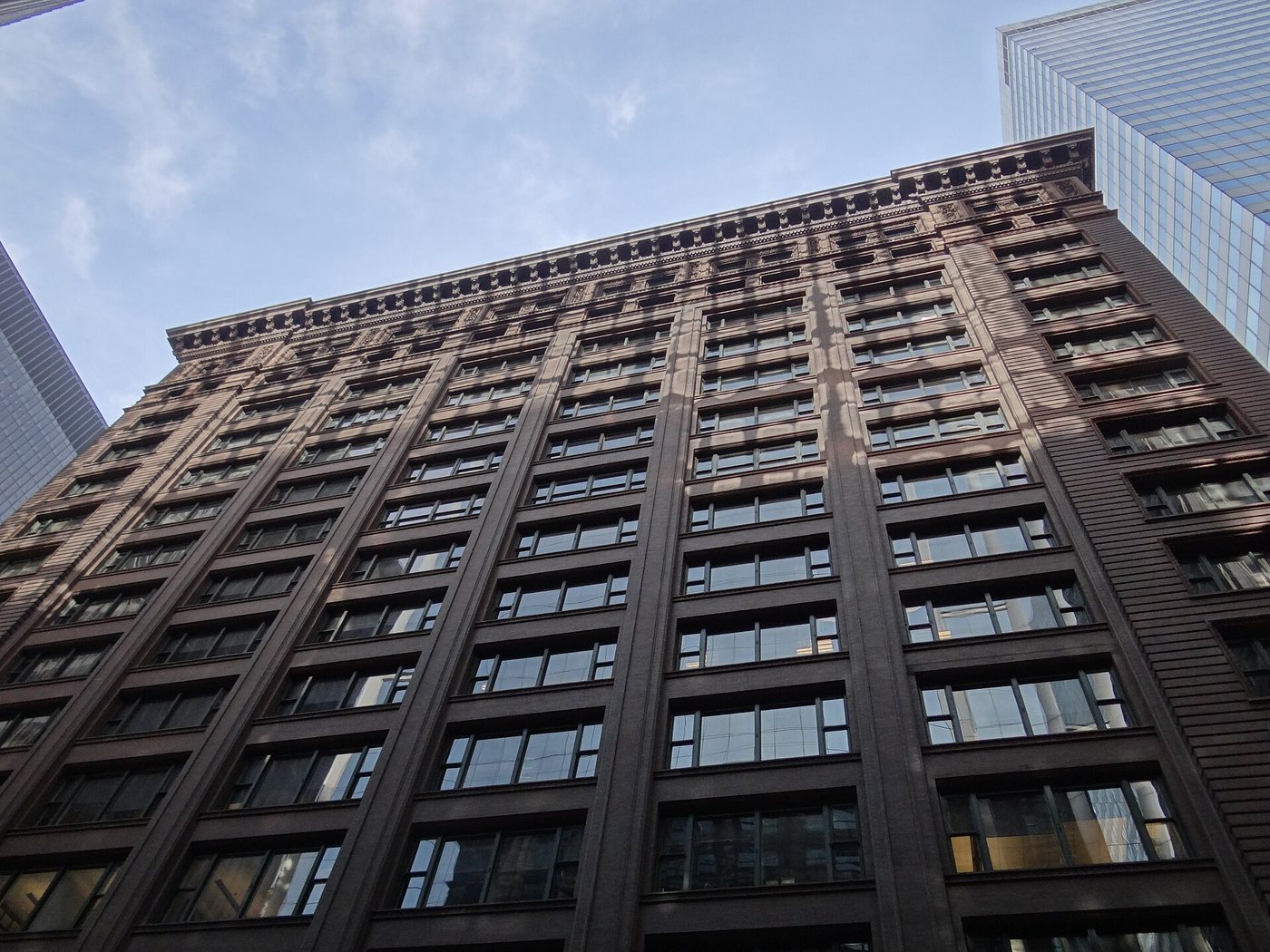
The Marquette Building connects the repeated windows of an early office tower with a richly interpreted entrance.
Boston / Buildings & history
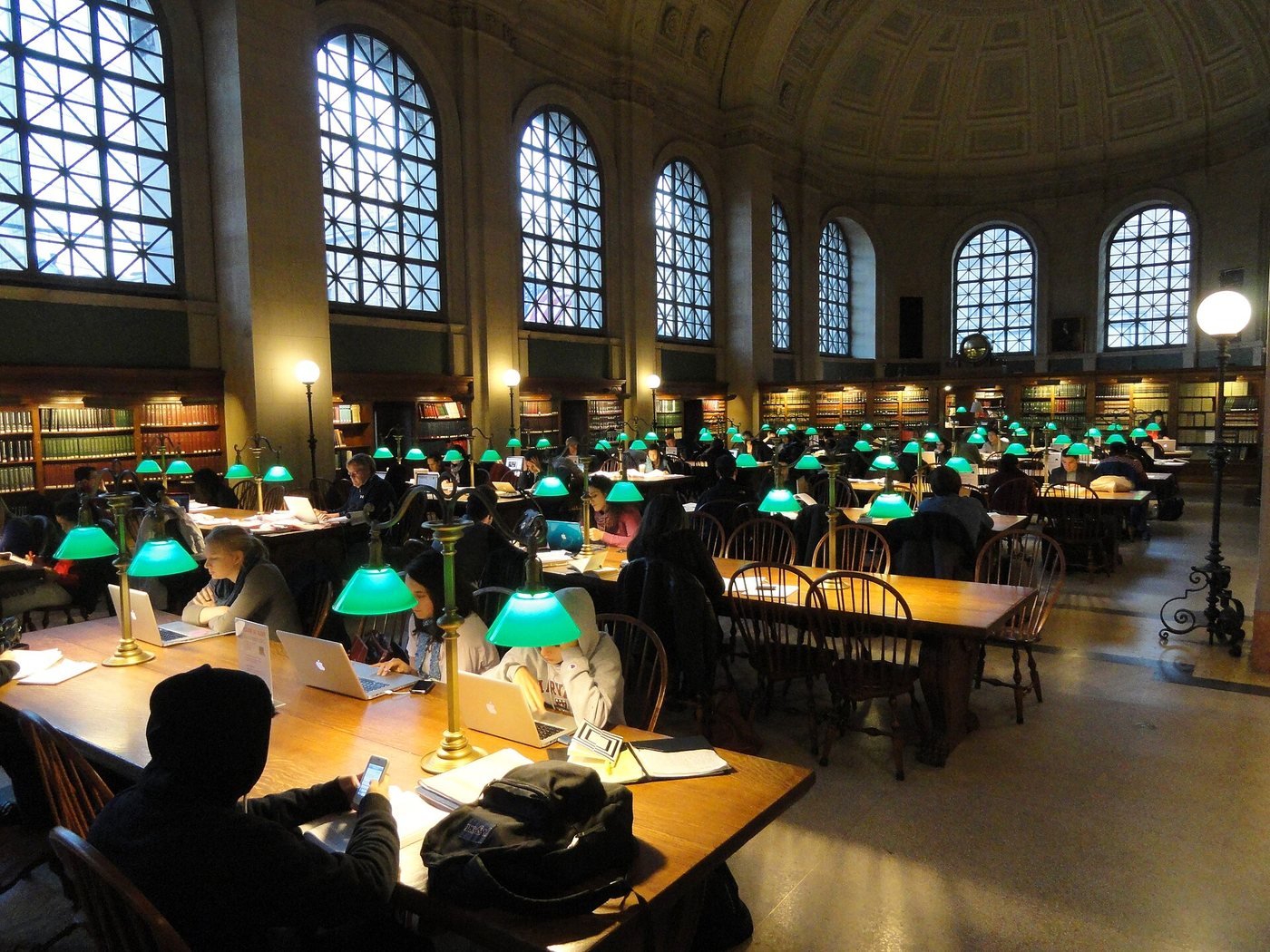
A reading hall, a courtyard and several mural cycles explain the ambitions of Boston’s 1895 library.
Boston / Buildings & history
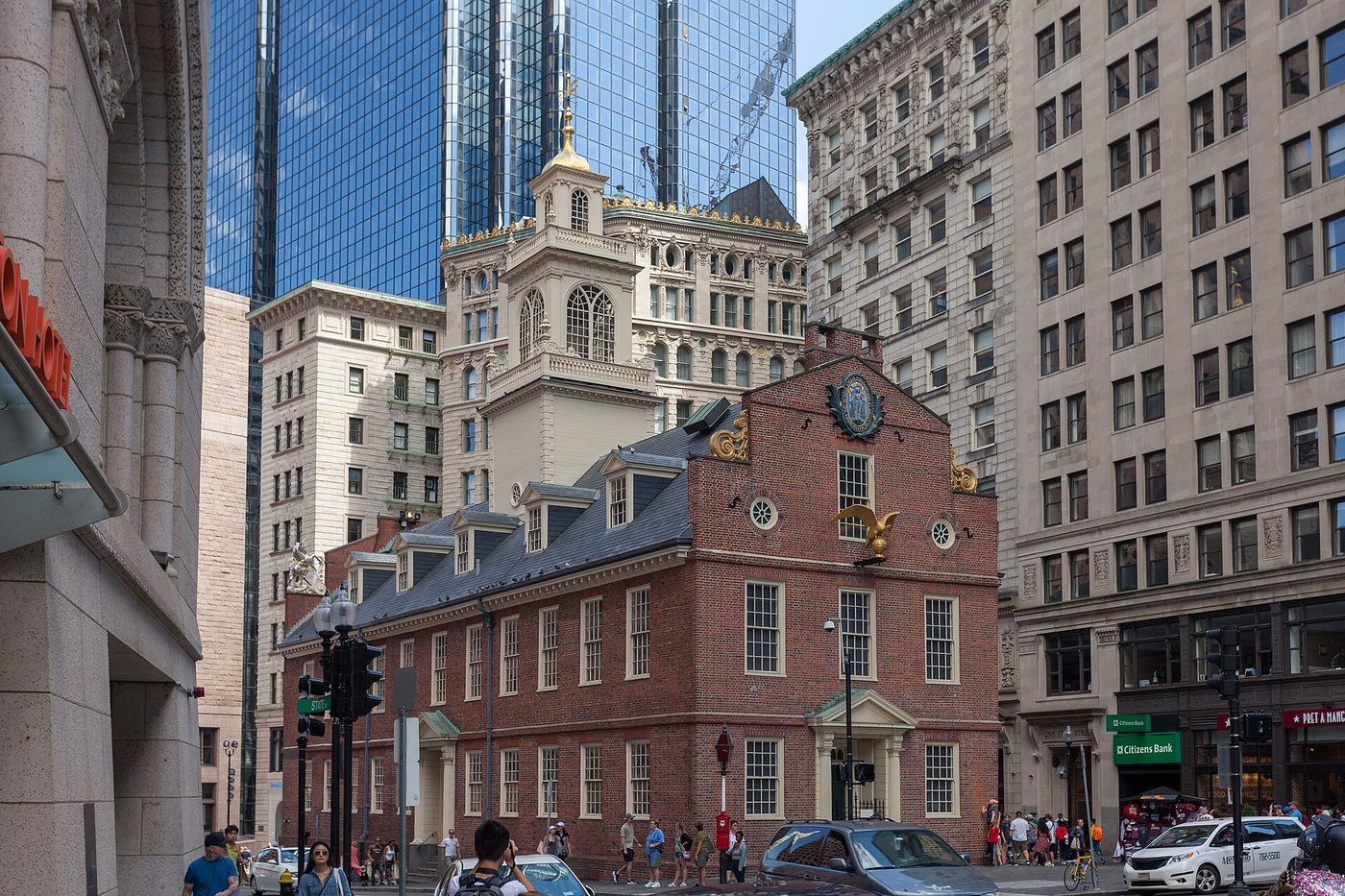
A royal government building became a state house, city hall and museum while Boston grew around it.
John Phelan · CC BY-SA 3.0. Resized; thumbnails may be cropped.
Philadelphia / Buildings & history
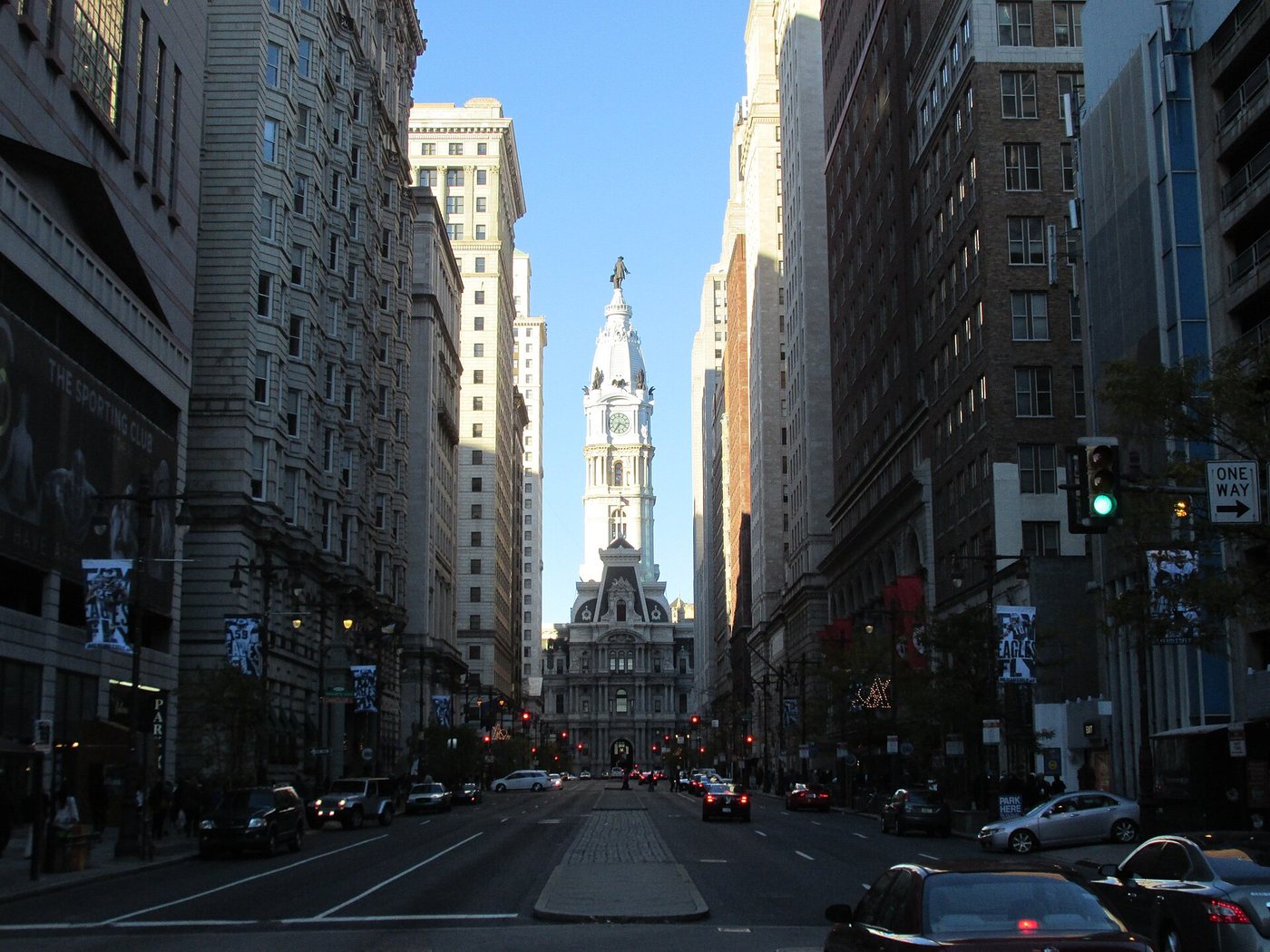
Philadelphia’s City Hall places municipal government at the crossing of two major streets.
Philadelphia / Buildings & history
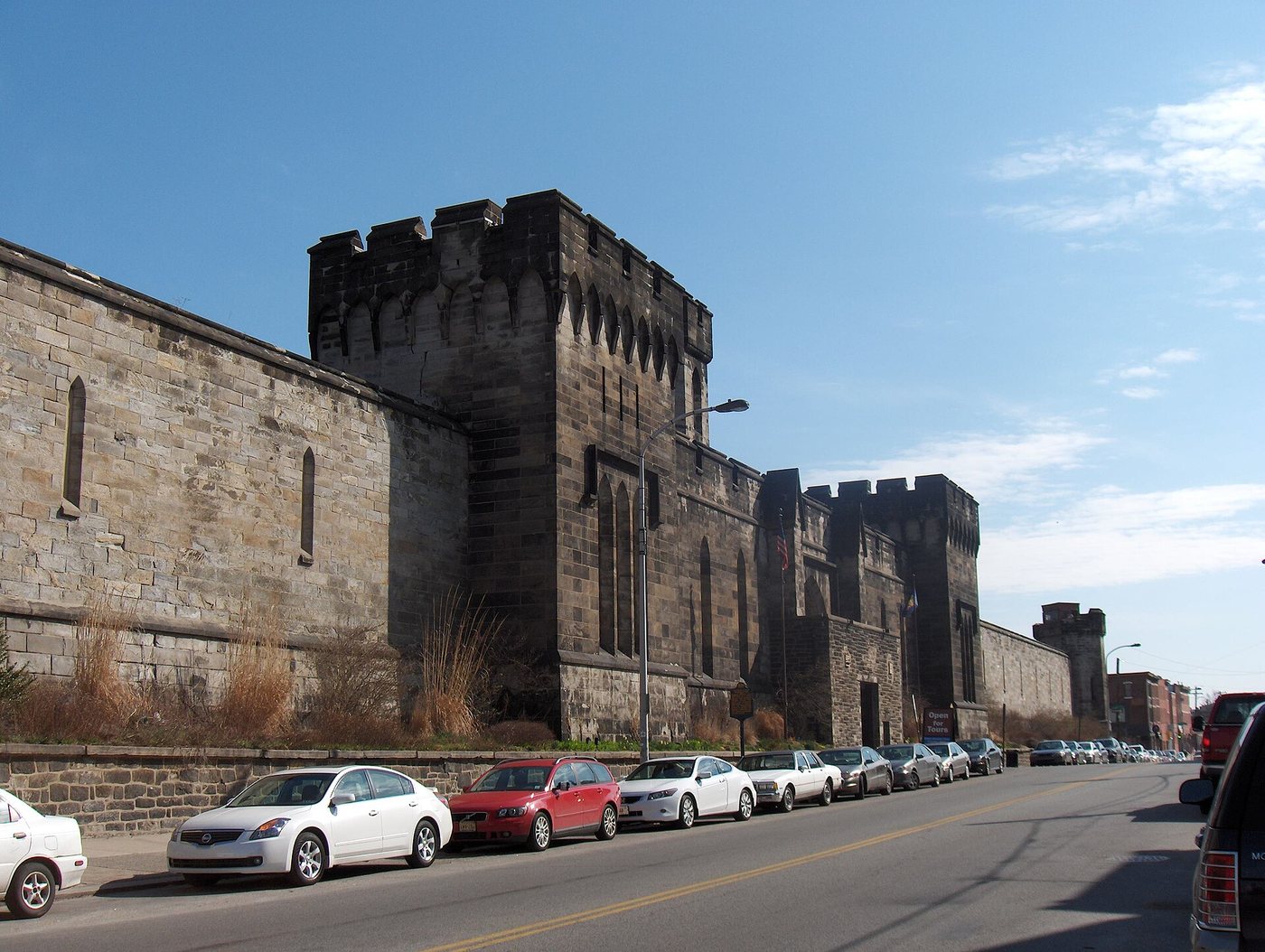
Eastern State’s radiating corridors express a theory of imprisonment that changed long before the prison closed.
Washington DC / Buildings & history
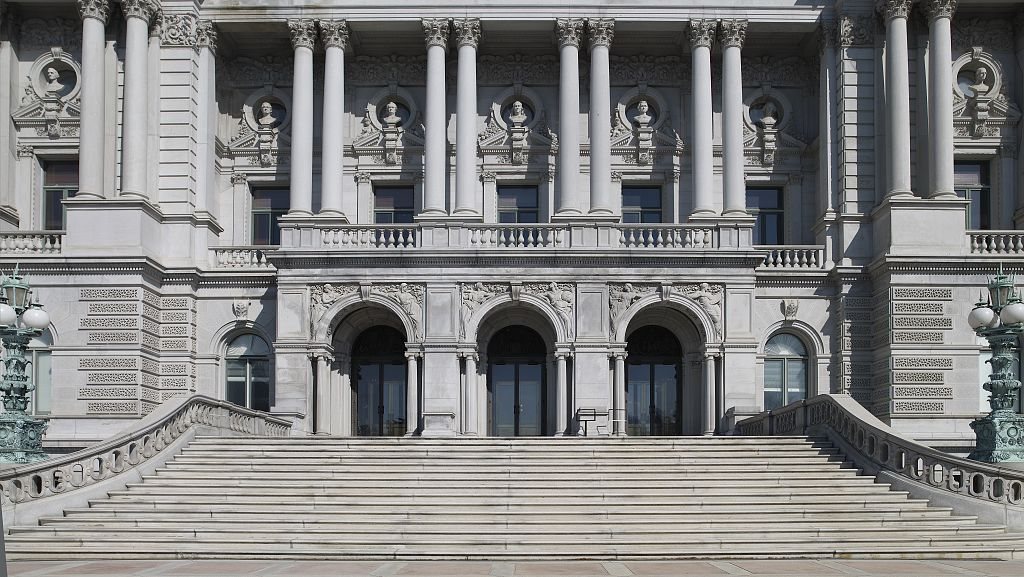
The Jefferson Building pairs a working research institution with an elaborate visual statement about knowledge.
Smash the Iron Cage · CC BY-SA 4.0. Resized; thumbnails may be cropped.
Washington DC / Buildings & history
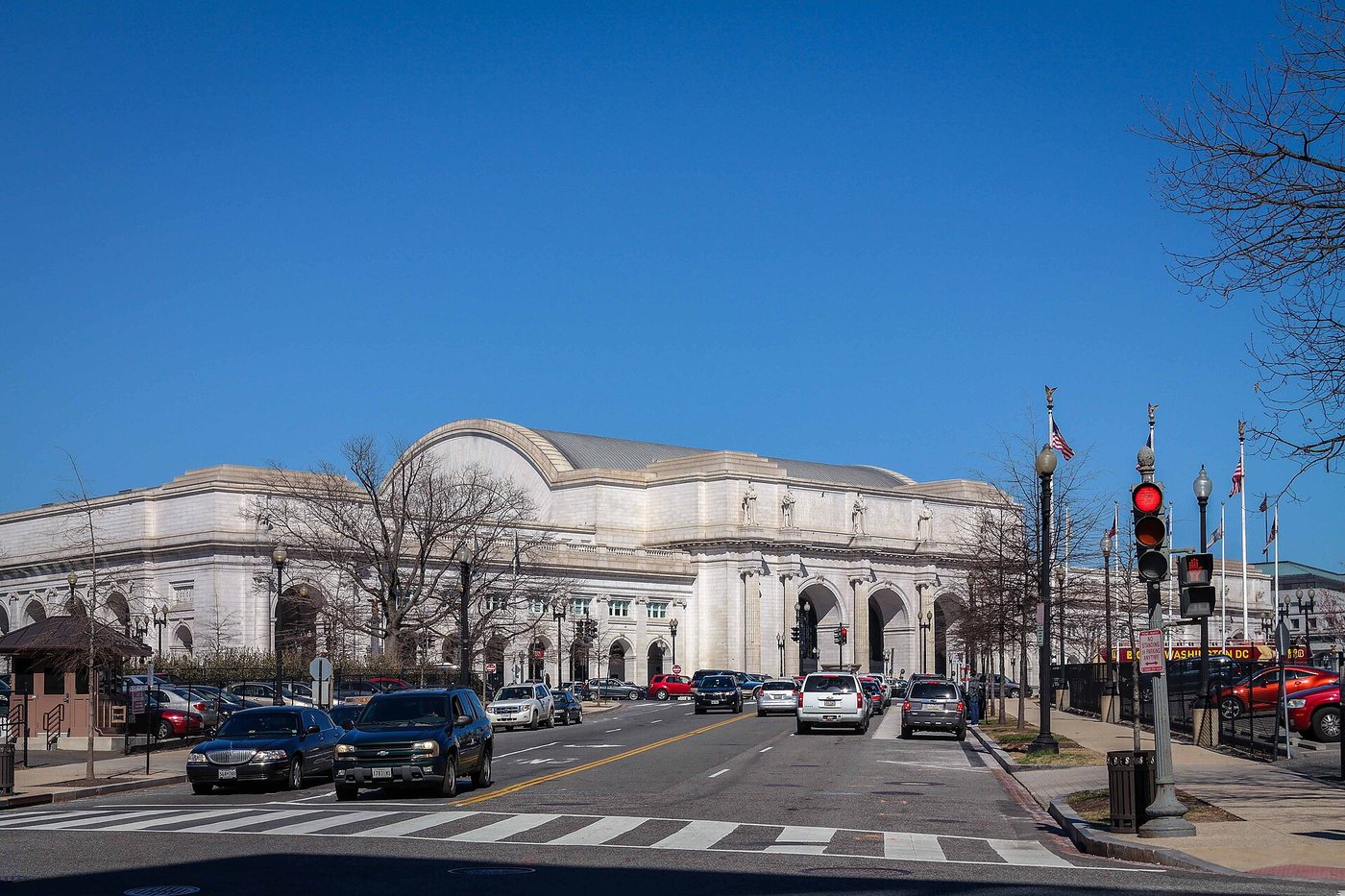
Union Station’s monumental rooms belong to a railway building that has repeatedly changed its public role.
King of Hearts · CC BY-SA 3.0. Resized; thumbnails may be cropped.
San Francisco / Buildings & history
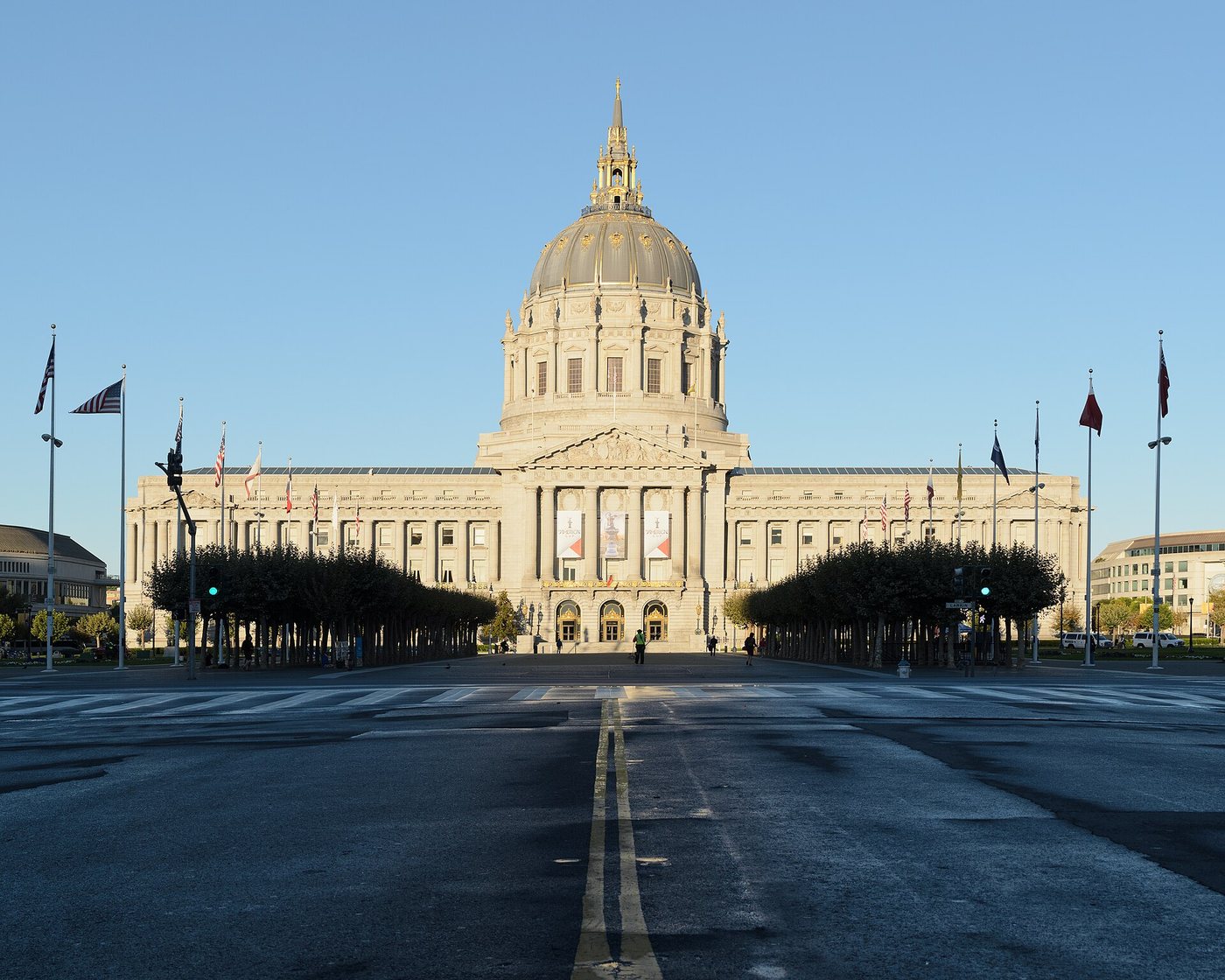
San Francisco City Hall combines a monumental civic image with later engineering hidden beneath it.
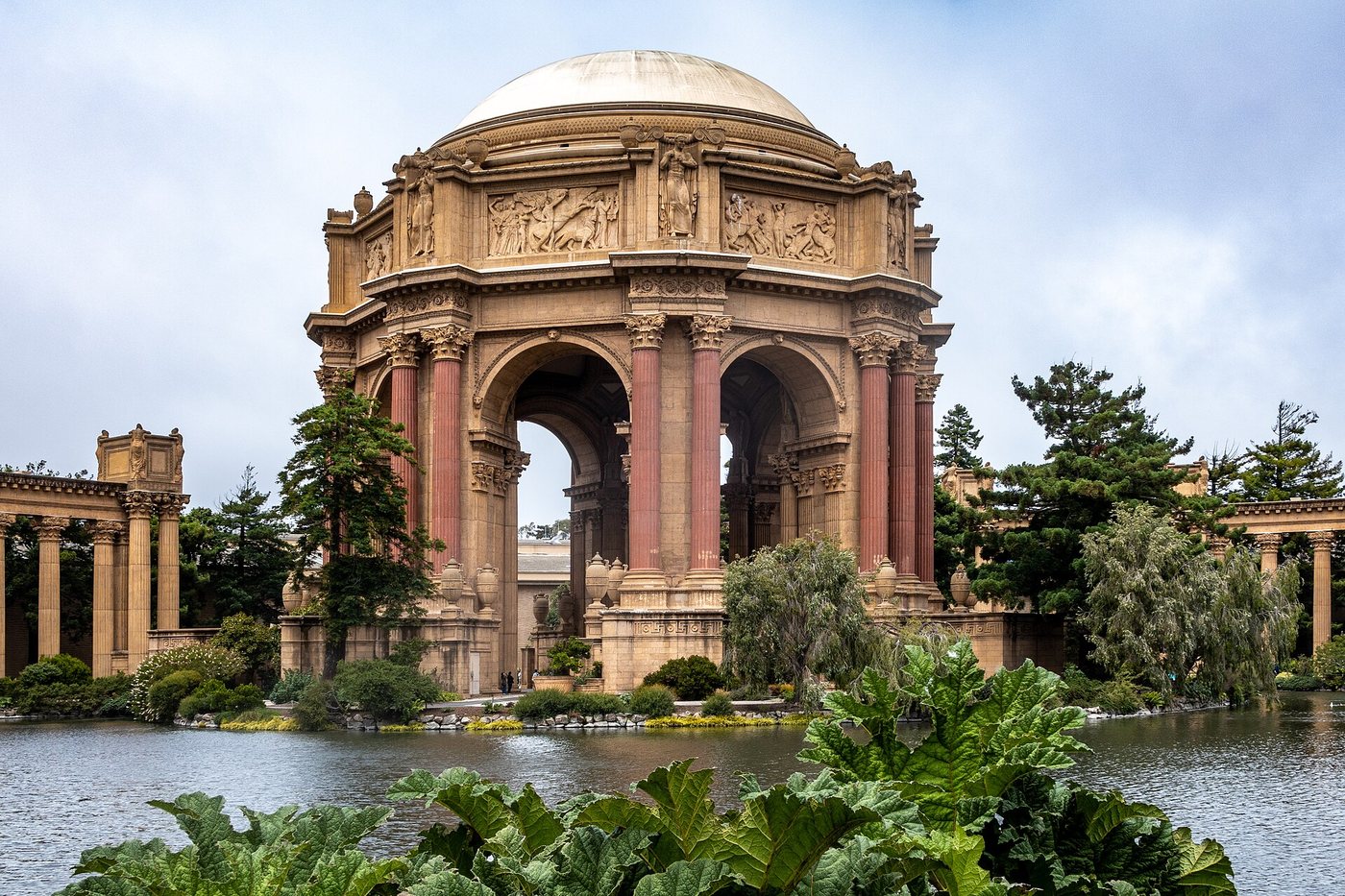
Dietmar Rabich · CC BY-SA 4.0. Resized; thumbnails may be cropped.
San Francisco / Buildings & history
The Palace of Fine Arts preserves the image of an exposition building through later reconstruction.
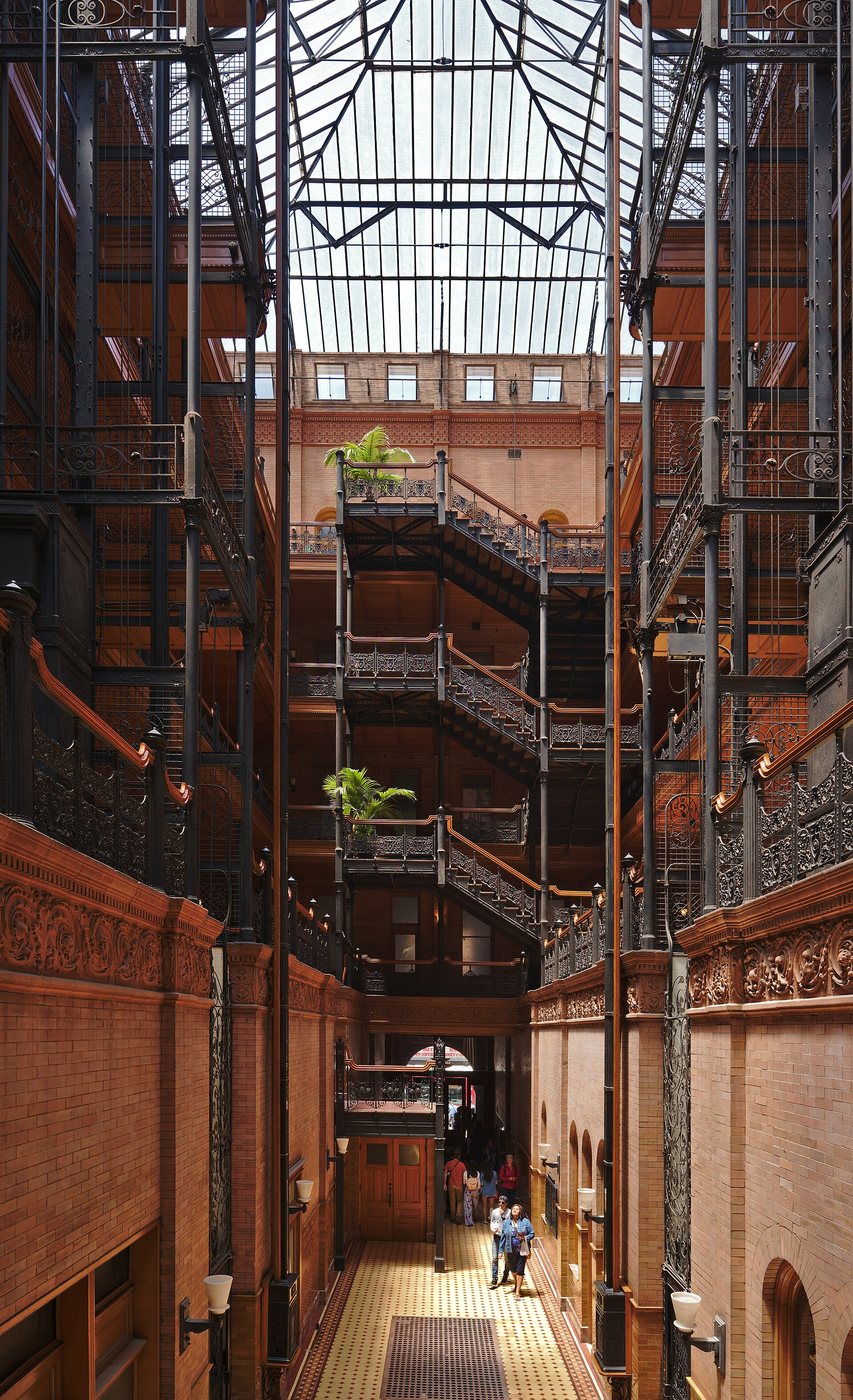
Daniel L. Lu (user:dllu) · CC BY-SA 4.0. Resized; thumbnails may be cropped.
Los Angeles / Buildings & history
The Bradbury’s interior court turns a compact office building into a vertical space of light and circulation.
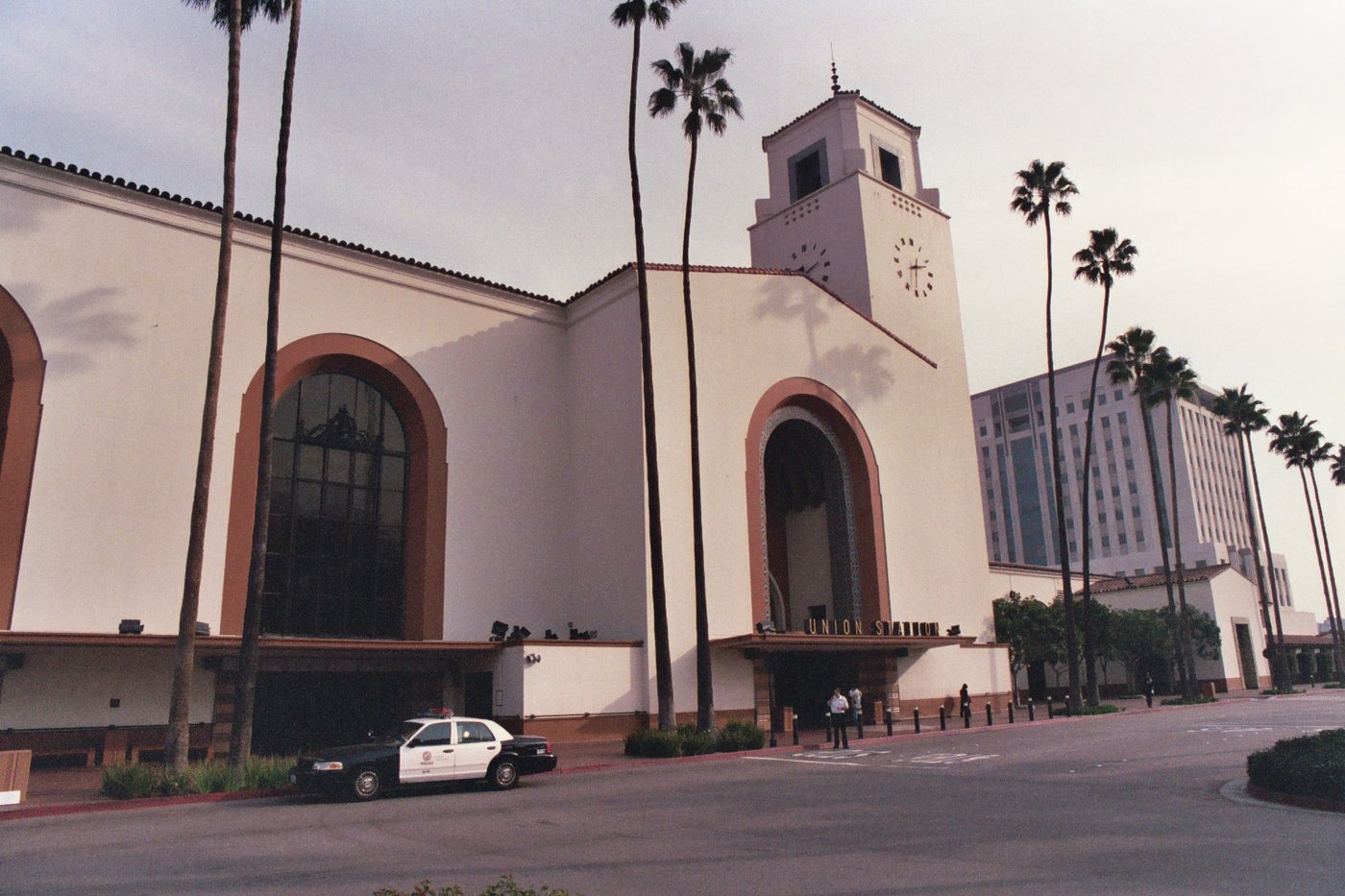
Unknown · CC BY-SA 3.0. Resized; thumbnails may be cropped.
Los Angeles / Buildings & history
Union Station’s architecture and transport role share a site with the history of Los Angeles’s original Chinatown.
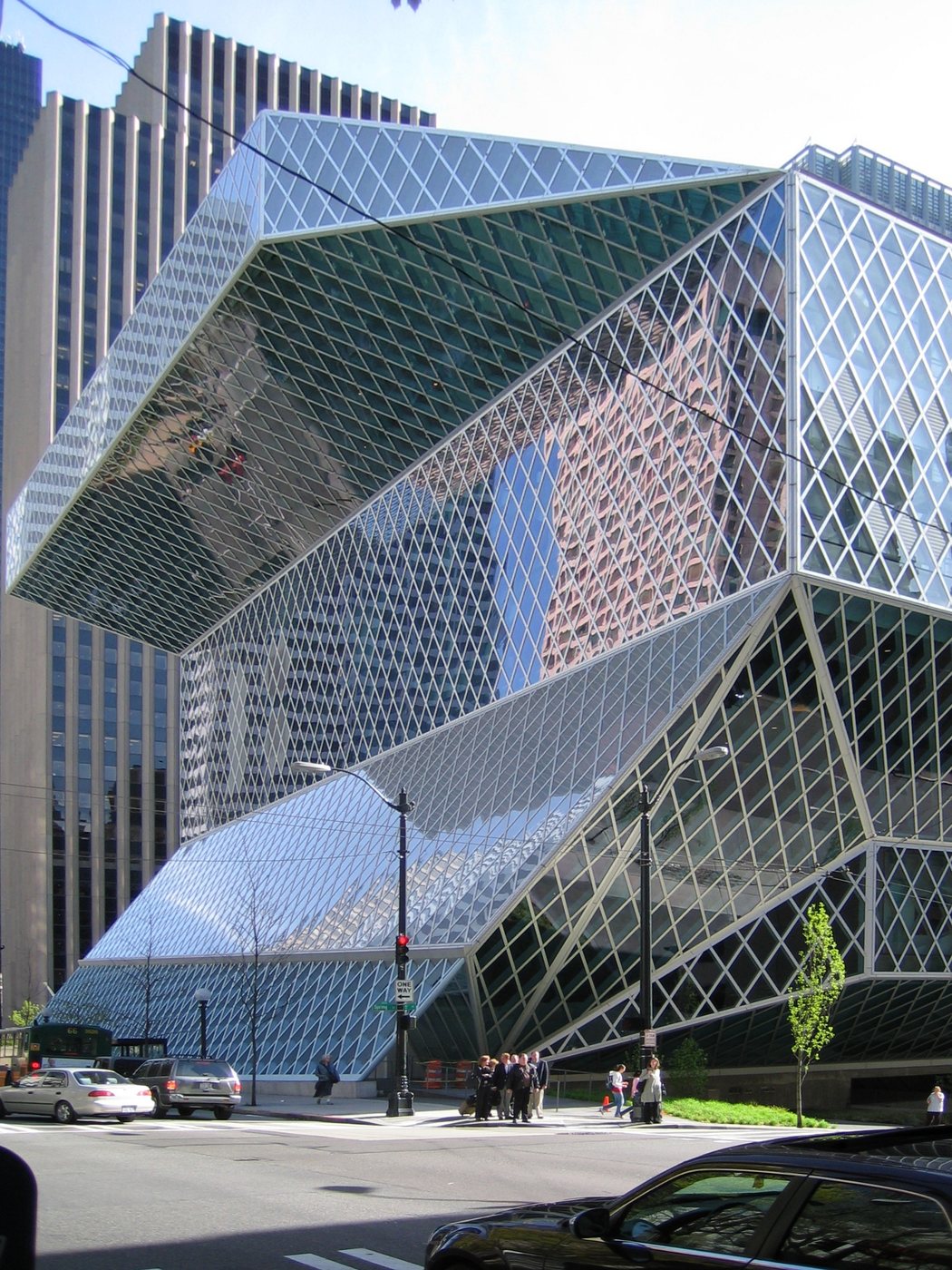
DVD R W. · CC BY-SA 3.0. Resized; thumbnails may be cropped.
Seattle / Buildings & history
Seattle’s Central Library organizes different activities into a building whose form makes those differences visible.
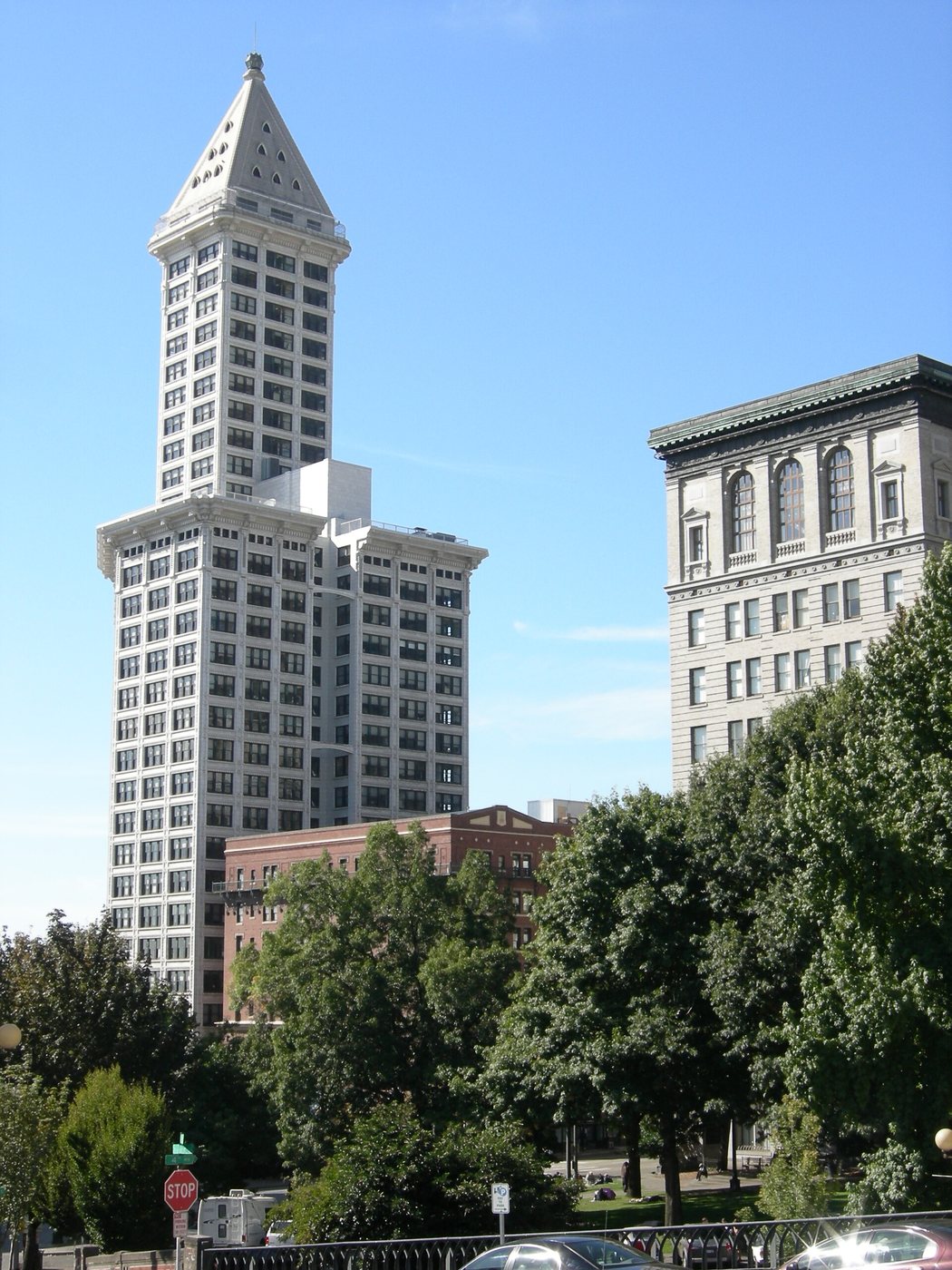
Joe Mabel · CC BY-SA 3.0. Resized; thumbnails may be cropped.
Seattle / Buildings & history
Smith Tower’s pale exterior and narrow upper shaft distinguish it from the masonry district around its base.
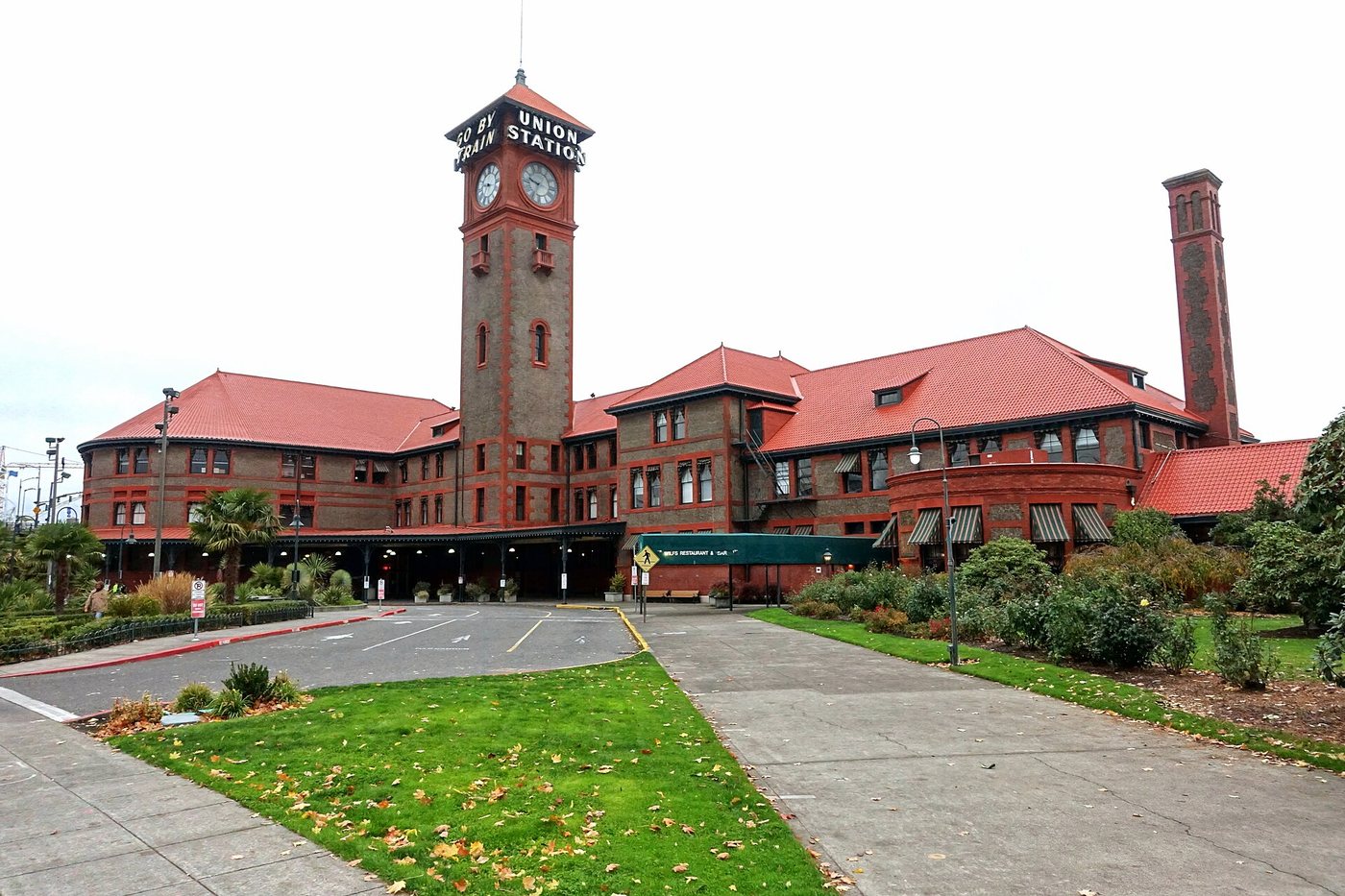
Portland / Buildings & history
Portland Union Station’s clock tower and waiting room belong to different stages of a continuously used railway building.
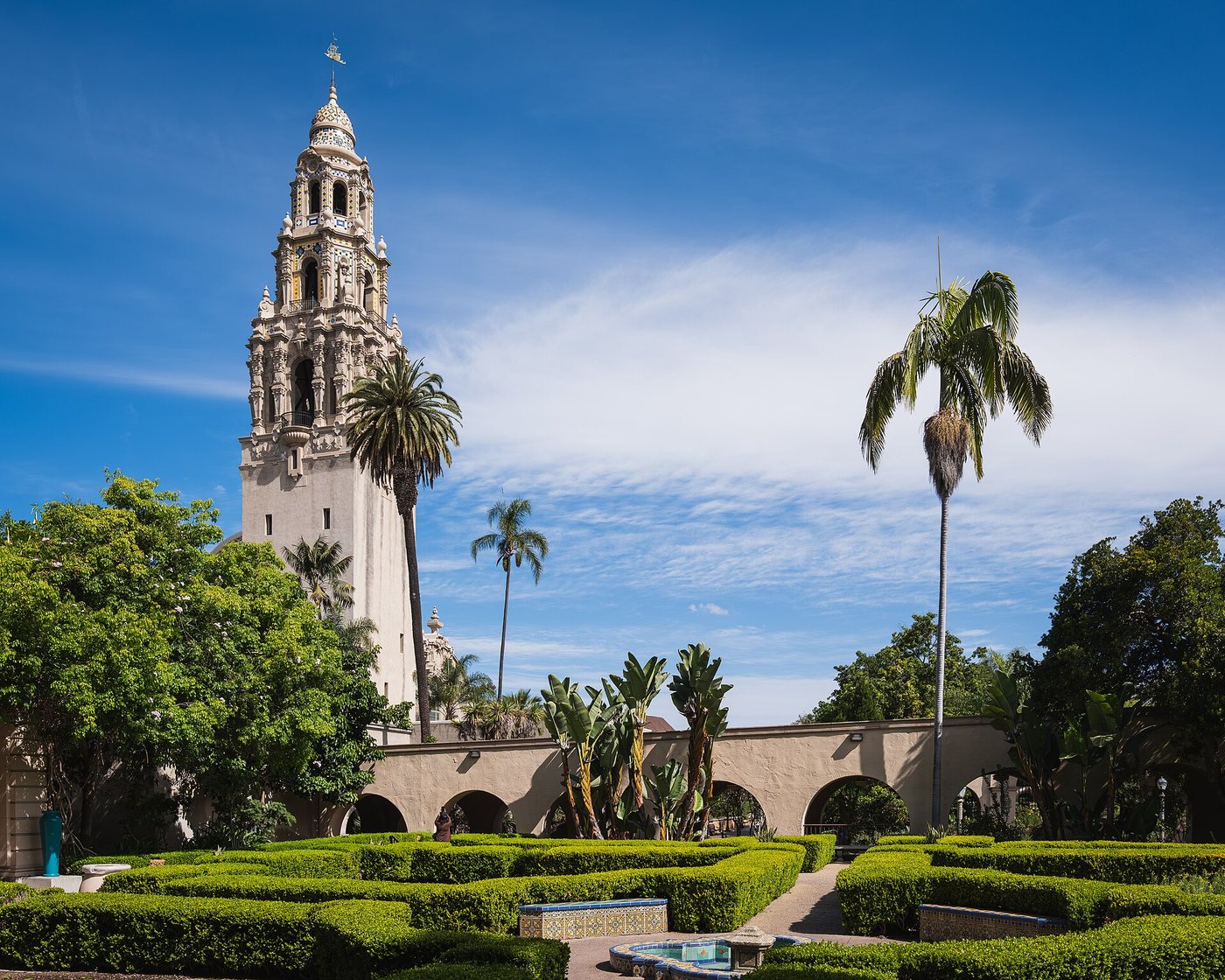
Christian David · CC BY-SA 4.0. Resized; thumbnails may be cropped.
San Diego / Buildings & history
The California Tower is an exposition landmark whose height and ornament belong to a designed architectural ensemble.
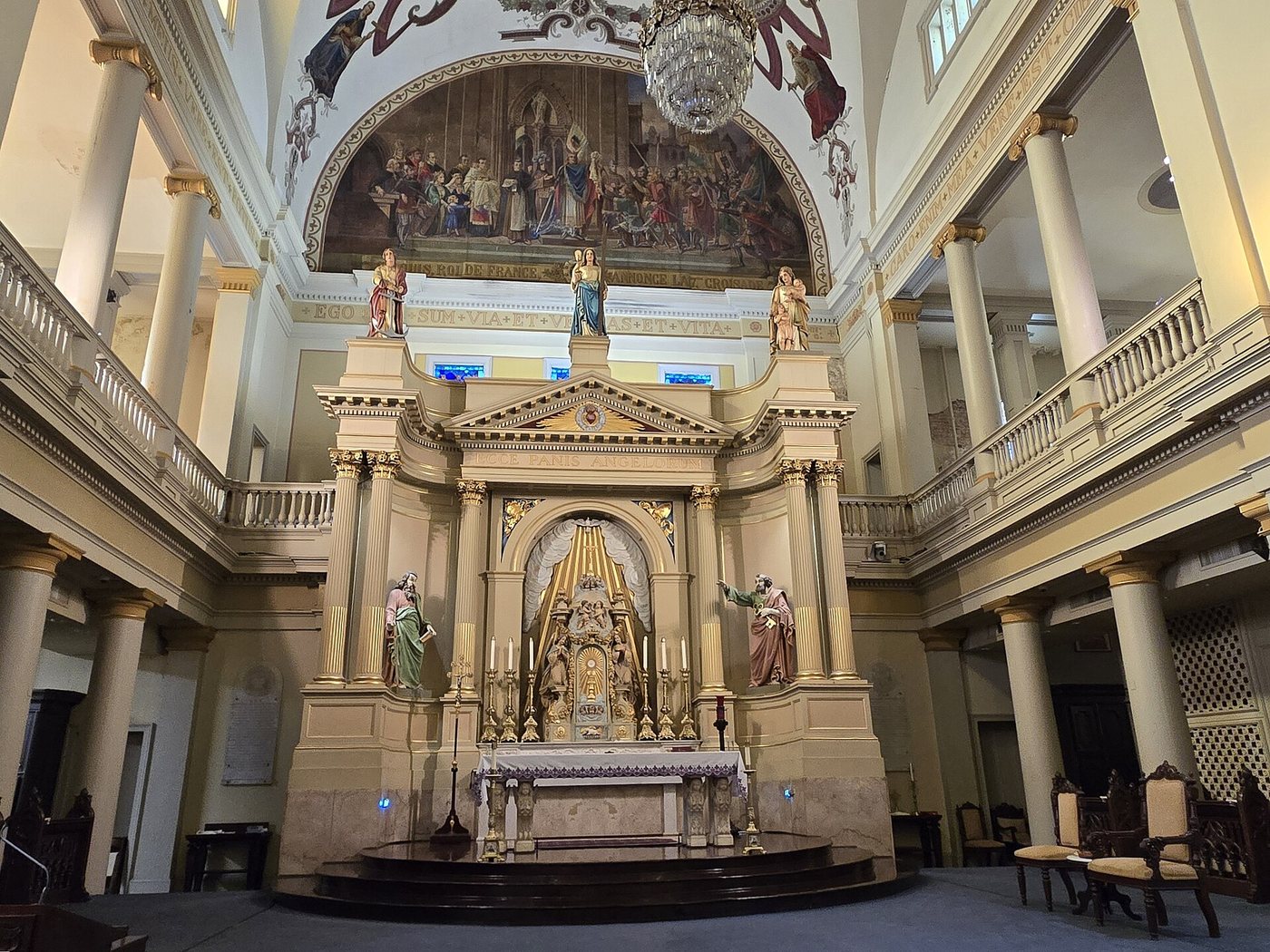
Spatms · CC BY-SA 4.0. Resized; thumbnails may be cropped.
New Orleans / Buildings & history
The cathedral’s familiar silhouette combines a long religious presence with a largely nineteenth-century building.
New Orleans / Buildings & history
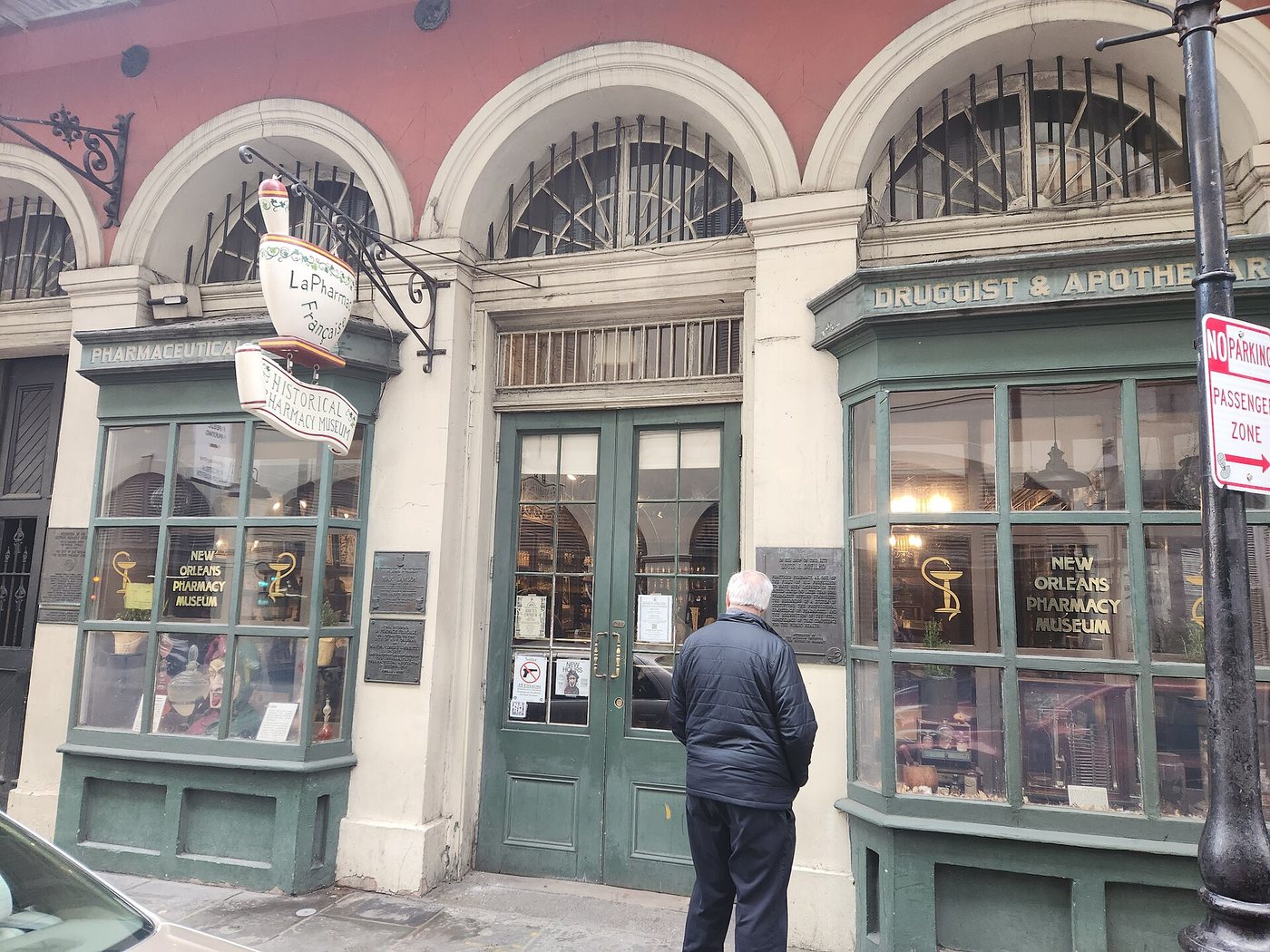
The museum’s rooms and courtyard reveal how a shop, a household and later collections occupy the same address.
Dicklyon · CC BY-SA 4.0. Resized; thumbnails may be cropped.
Santa Fe / Buildings & history
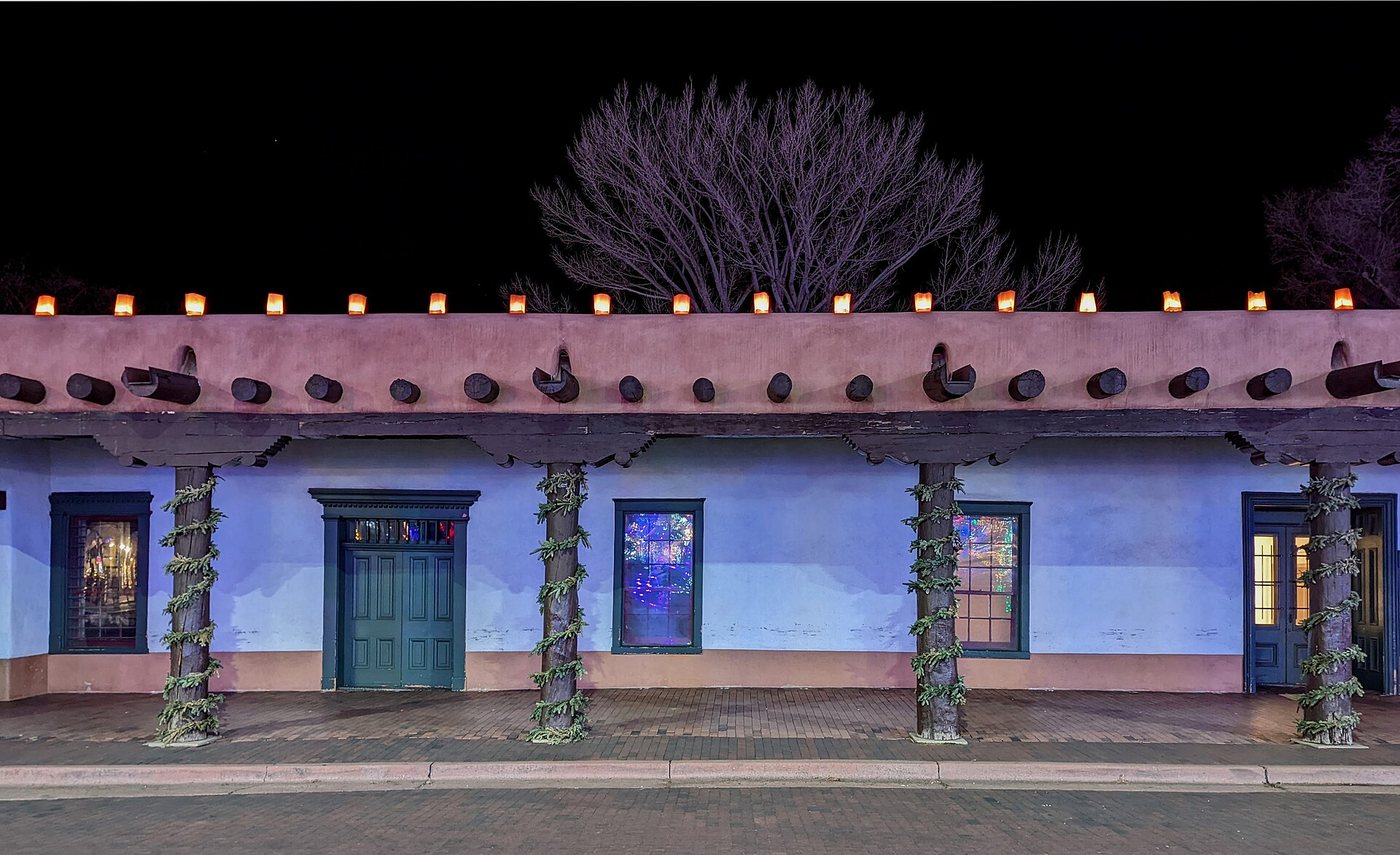
The long, low palace is a record of government, occupation and restoration, rather than a single frozen architectural moment.

MARELBU · CC BY 3.0. Resized; thumbnails may be cropped.
Santa Fe / Buildings & history
San Miguel’s age is best understood through a sequence of repairs, rebuilding and continuing religious use.
San Antonio / Buildings & history
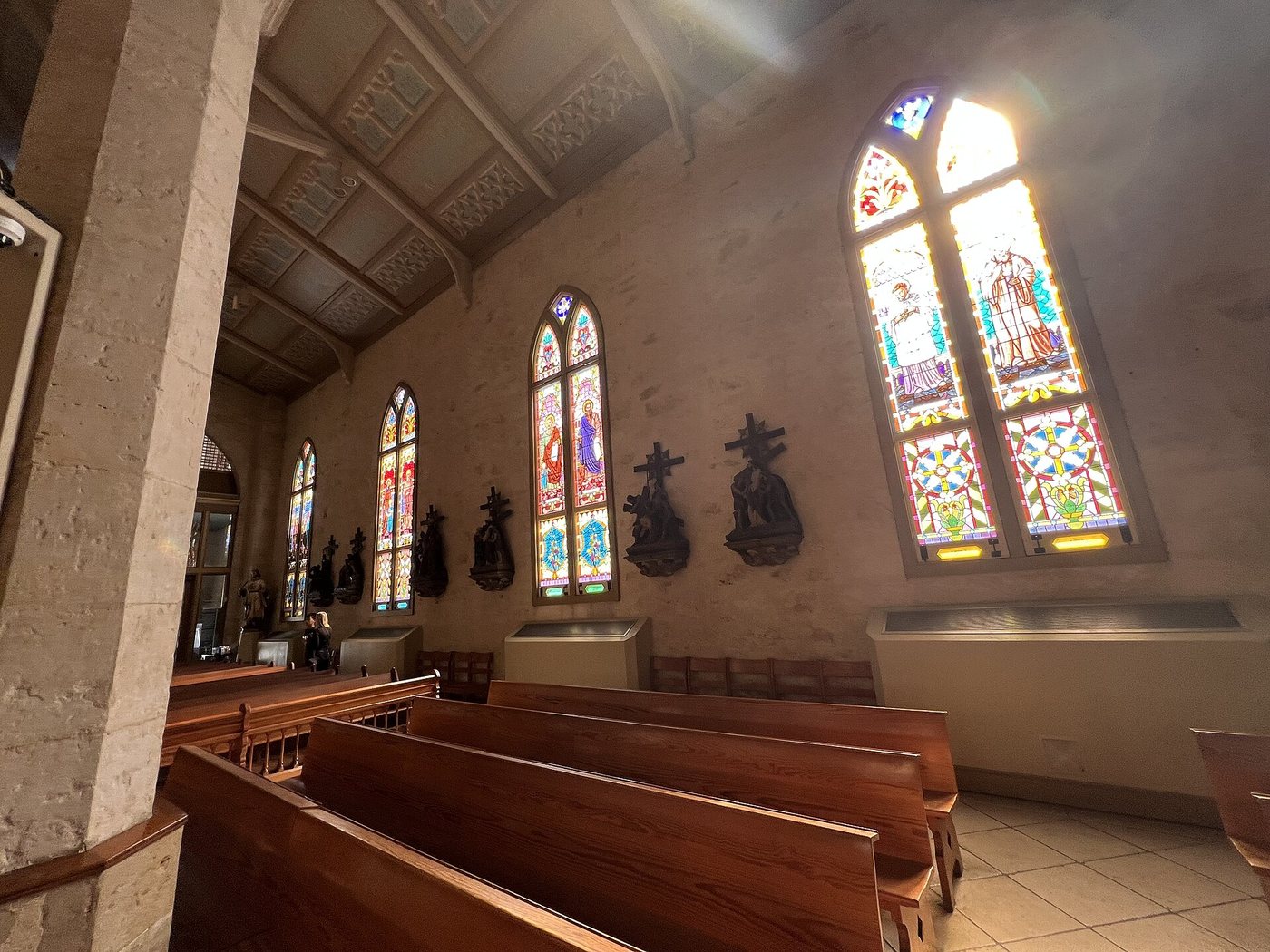
San Fernando’s institution began in the eighteenth century, while its prominent front reflects a later enlargement.
San Antonio / Buildings & history
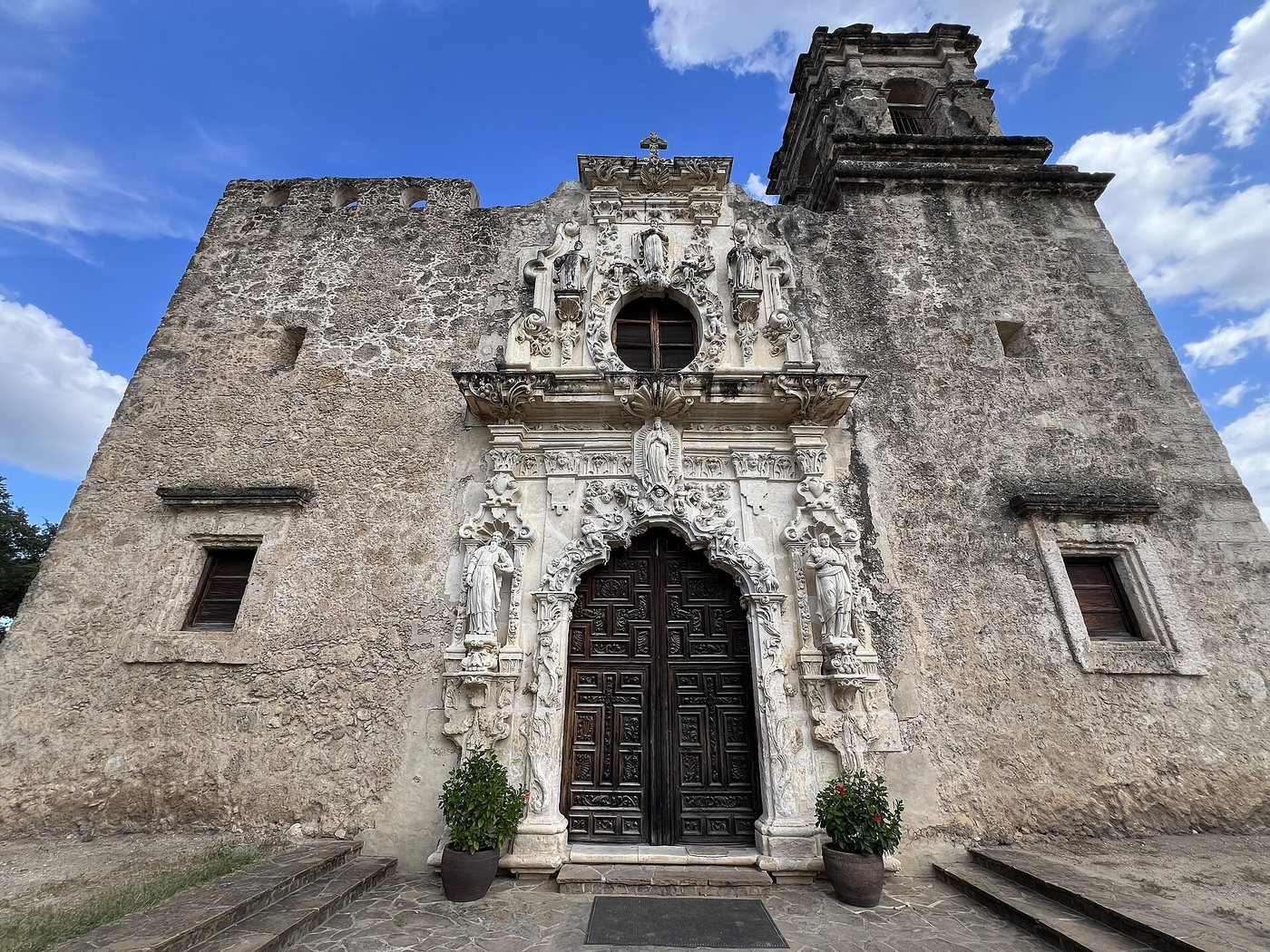
Mission San José becomes clearer when the church is read alongside housing, workshops, water and the evidence of reconstruction.
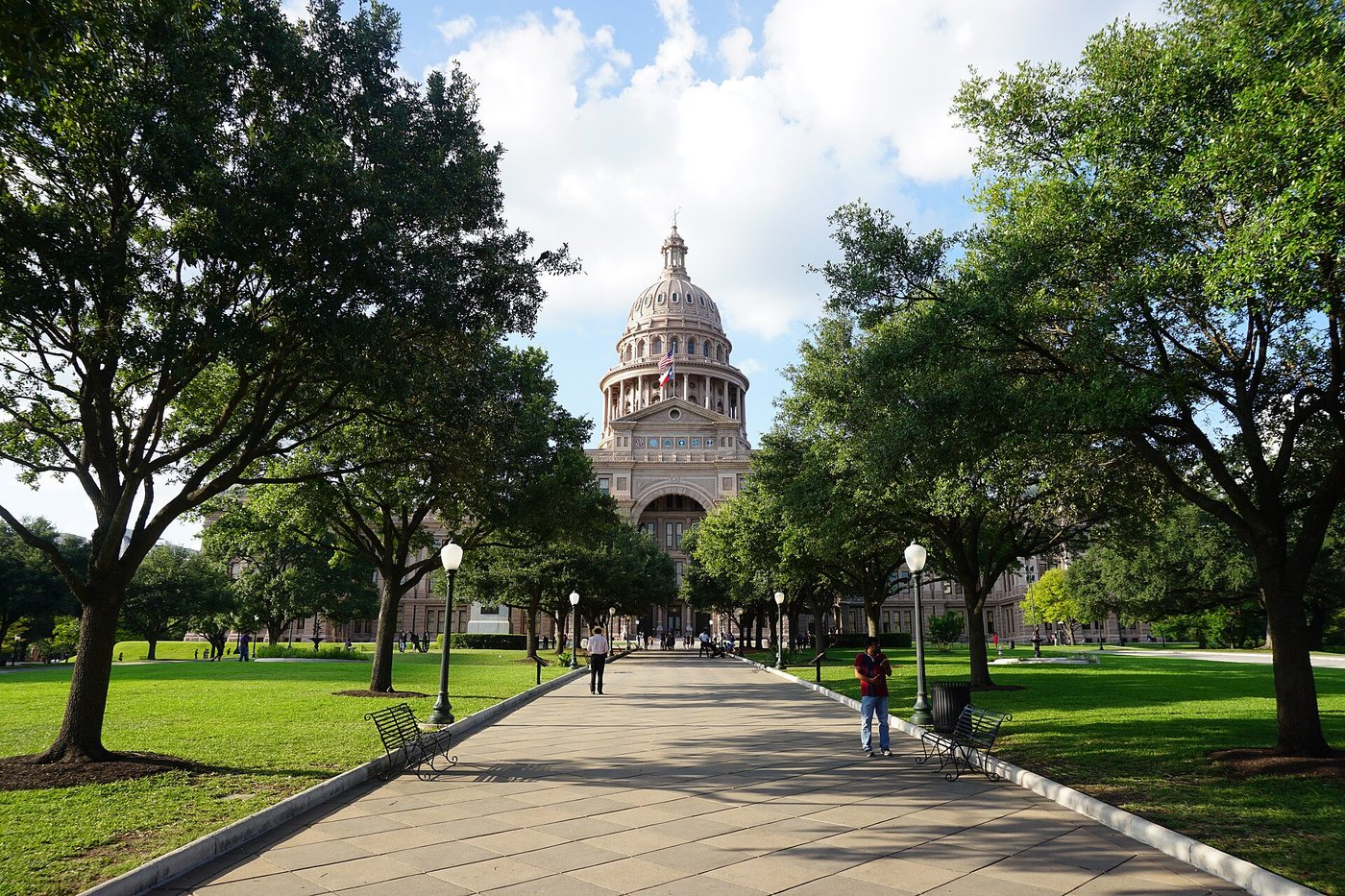
Michael Barera · CC BY-SA 4.0. Resized; thumbnails may be cropped.
Austin / Buildings & history
The Texas Capitol combines an 1888 statehouse, a carefully managed landscape and a large extension hidden below ground.
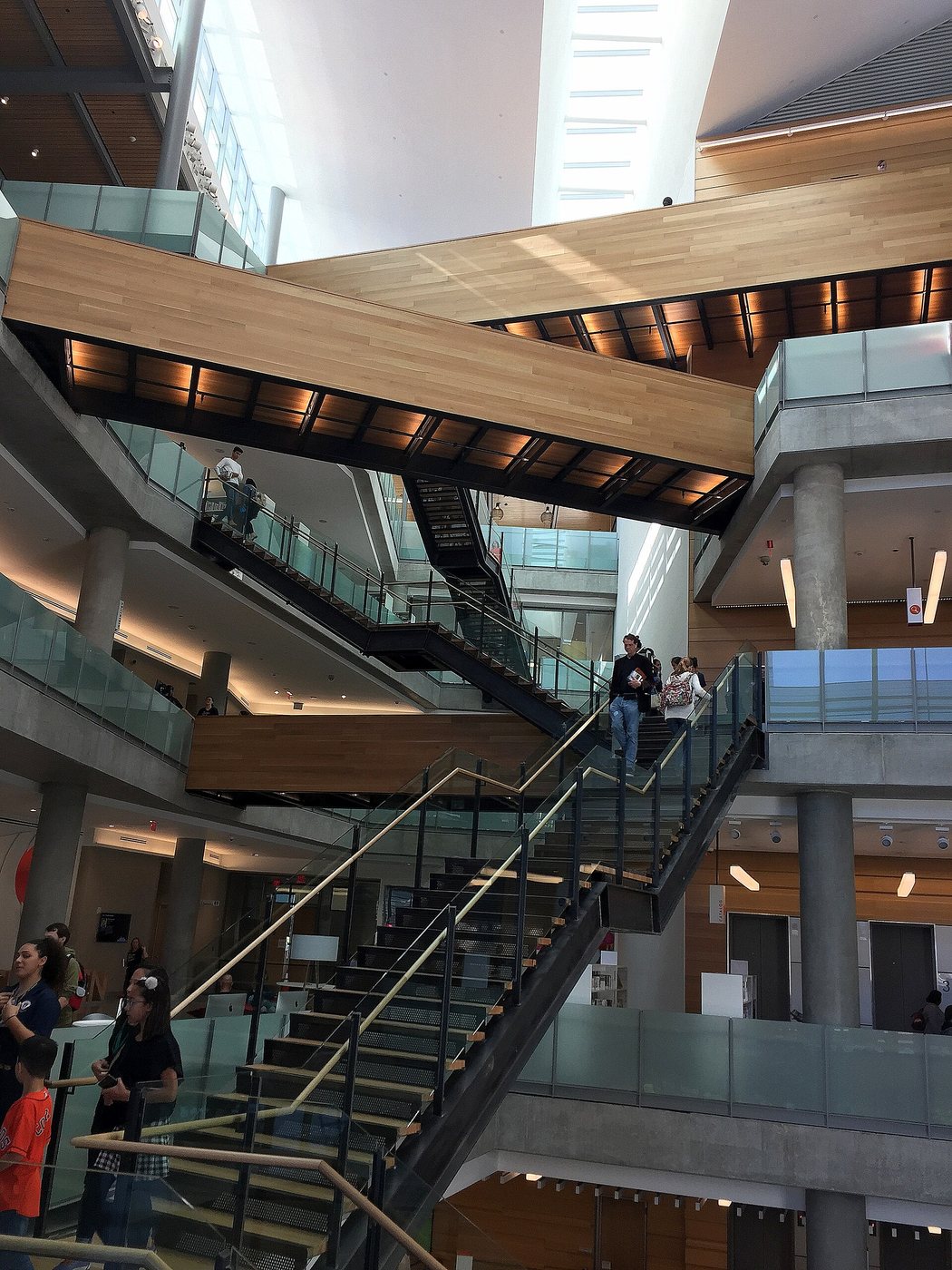
Mikerussell · CC BY-SA 4.0. Resized; thumbnails may be cropped.
Austin / Buildings & history
Austin’s Central Library uses daylight, a large atrium and varied public spaces to make a substantial civic building approachable.
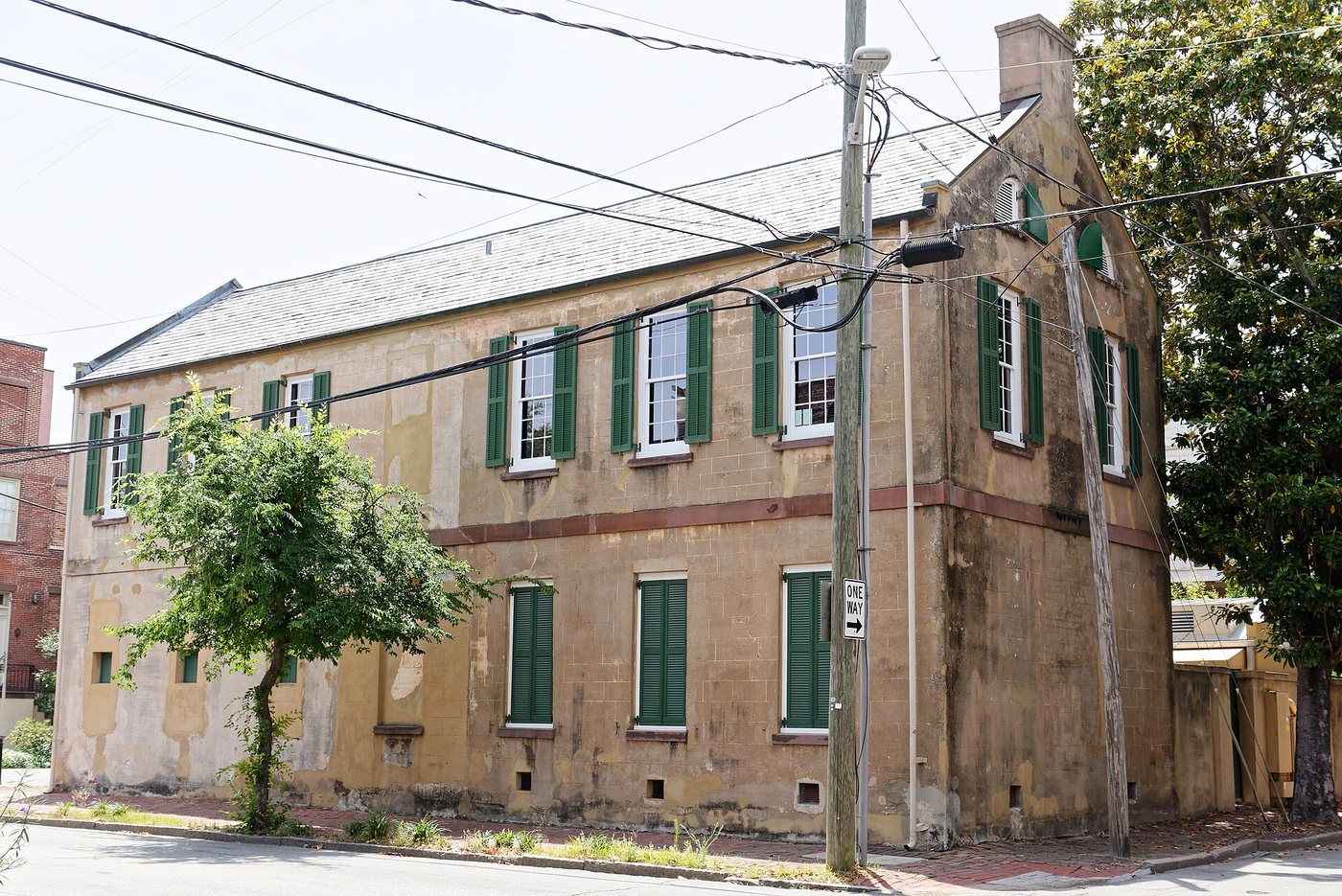
Jud McCranie · CC BY-SA 4.0. Resized; thumbnails may be cropped.
Savannah / Buildings & history
The Owens-Thomas property explains architectural display and urban slavery through the relationship between the mansion, quarters and workspaces.
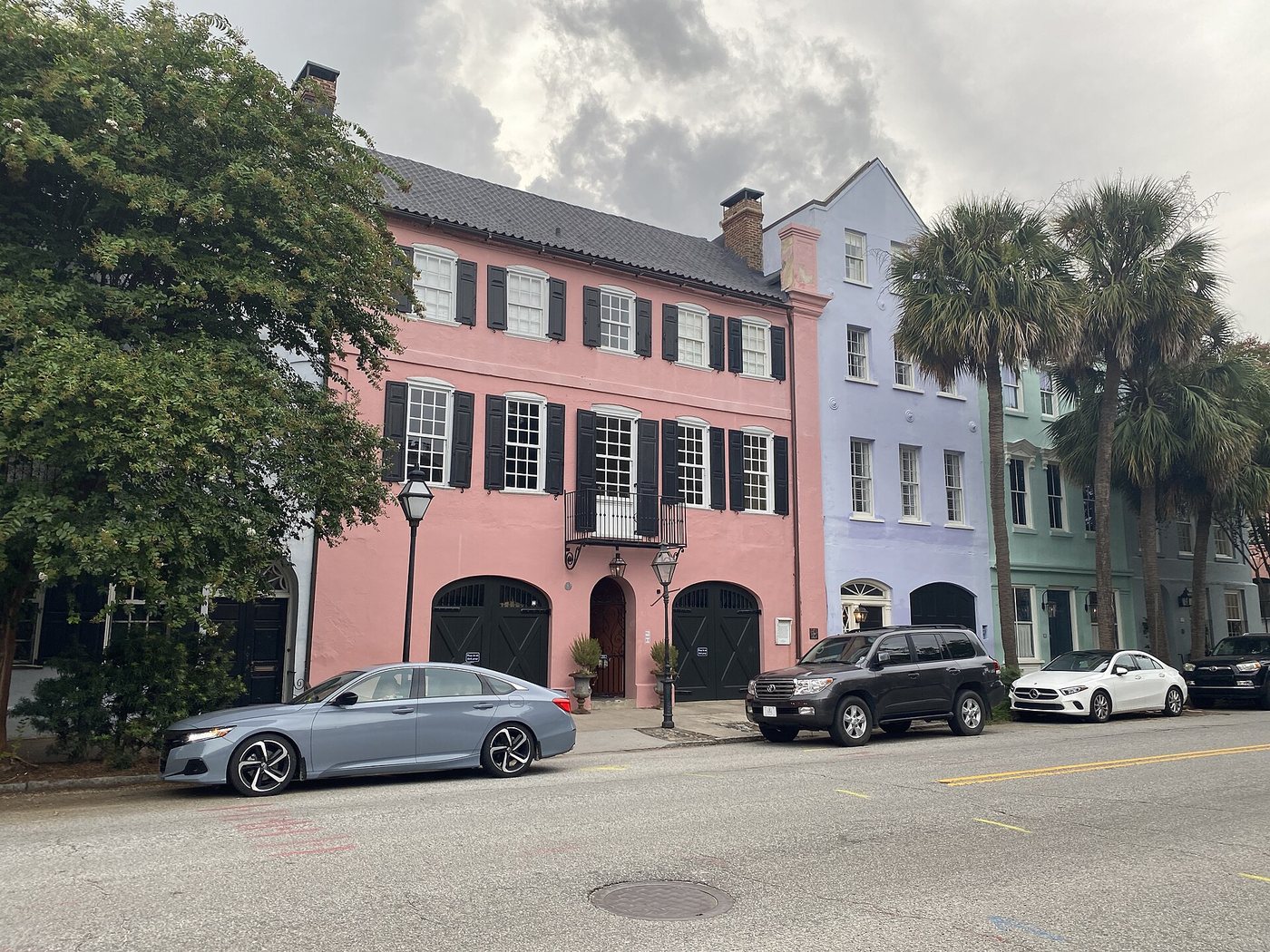
Charleston / Buildings & history
Rainbow Row’s colors are a chapter in twentieth-century preservation, layered onto older merchant buildings.
Daniel Mayer · CC BY-SA 3.0. Resized; thumbnails may be cropped.
Charleston / Buildings & history
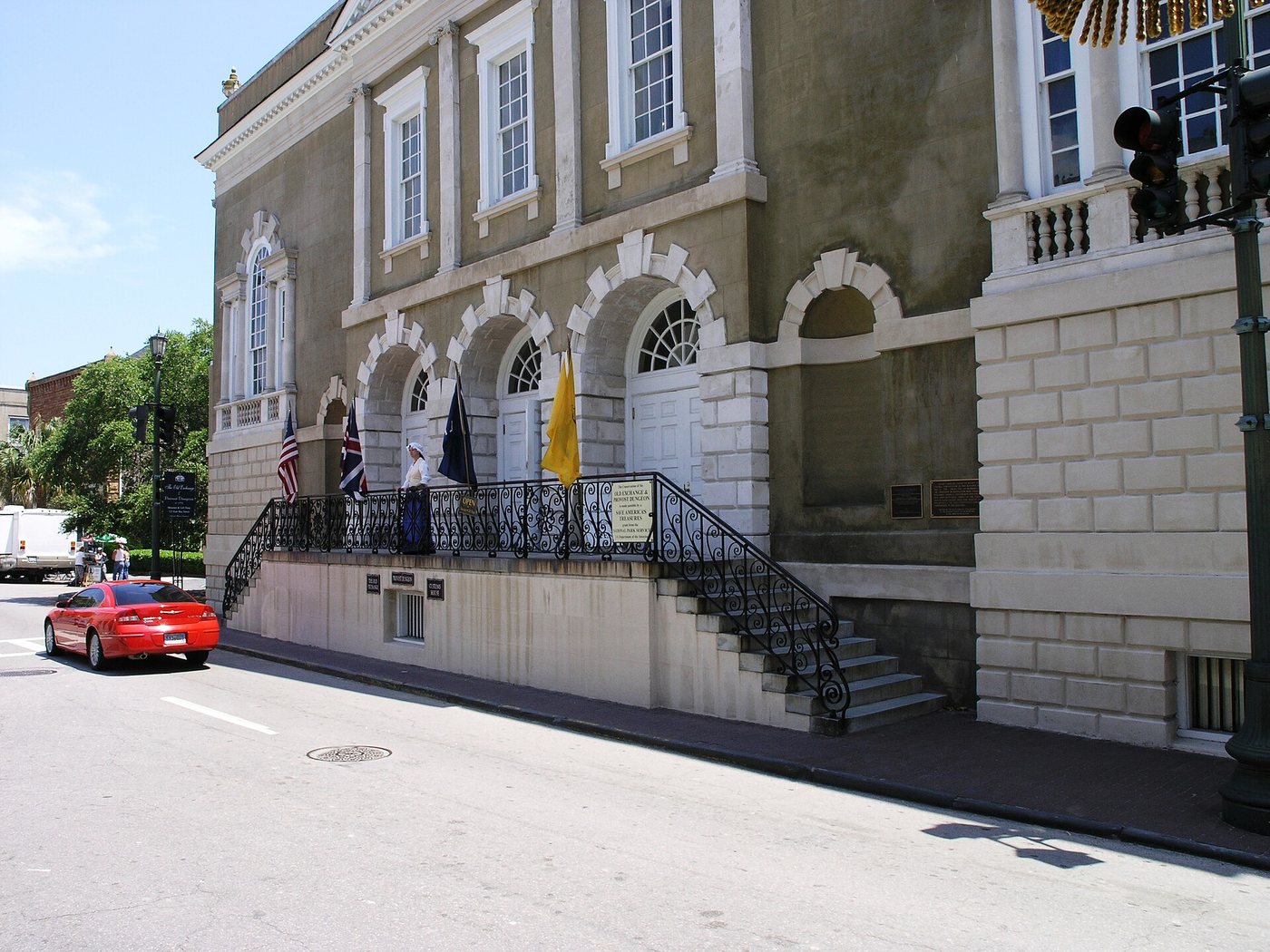
The Old Exchange contains the overlapping histories of commerce, government, imprisonment and the domestic slave trade.
Miami / Buildings & history
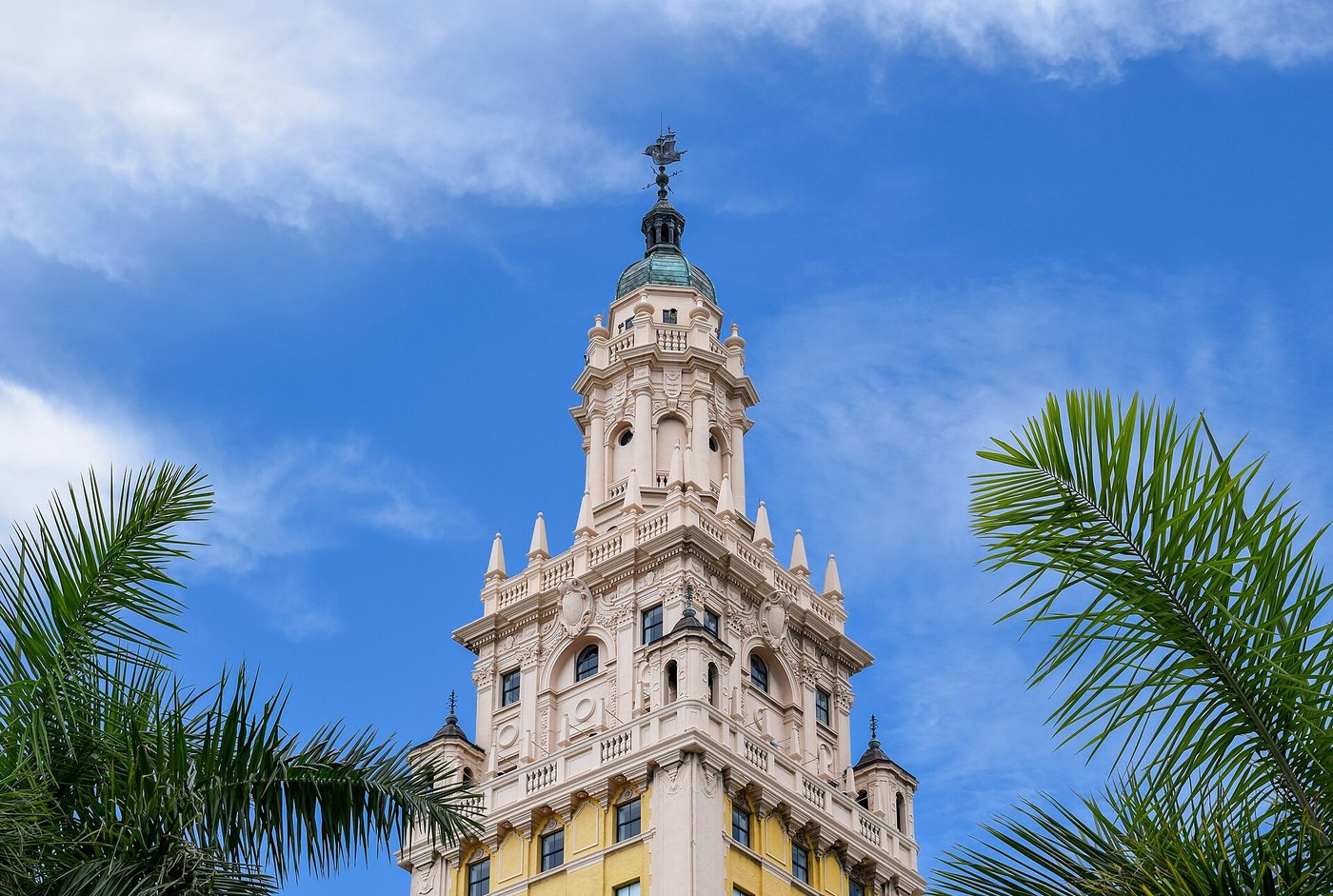
Freedom Tower’s meaning changed from a newspaper landmark to a place associated with Cuban refugee assistance and cultural memory.
Leslie Platt · CC BY 2.0. Resized; thumbnails may be cropped.
Miami / Buildings & history
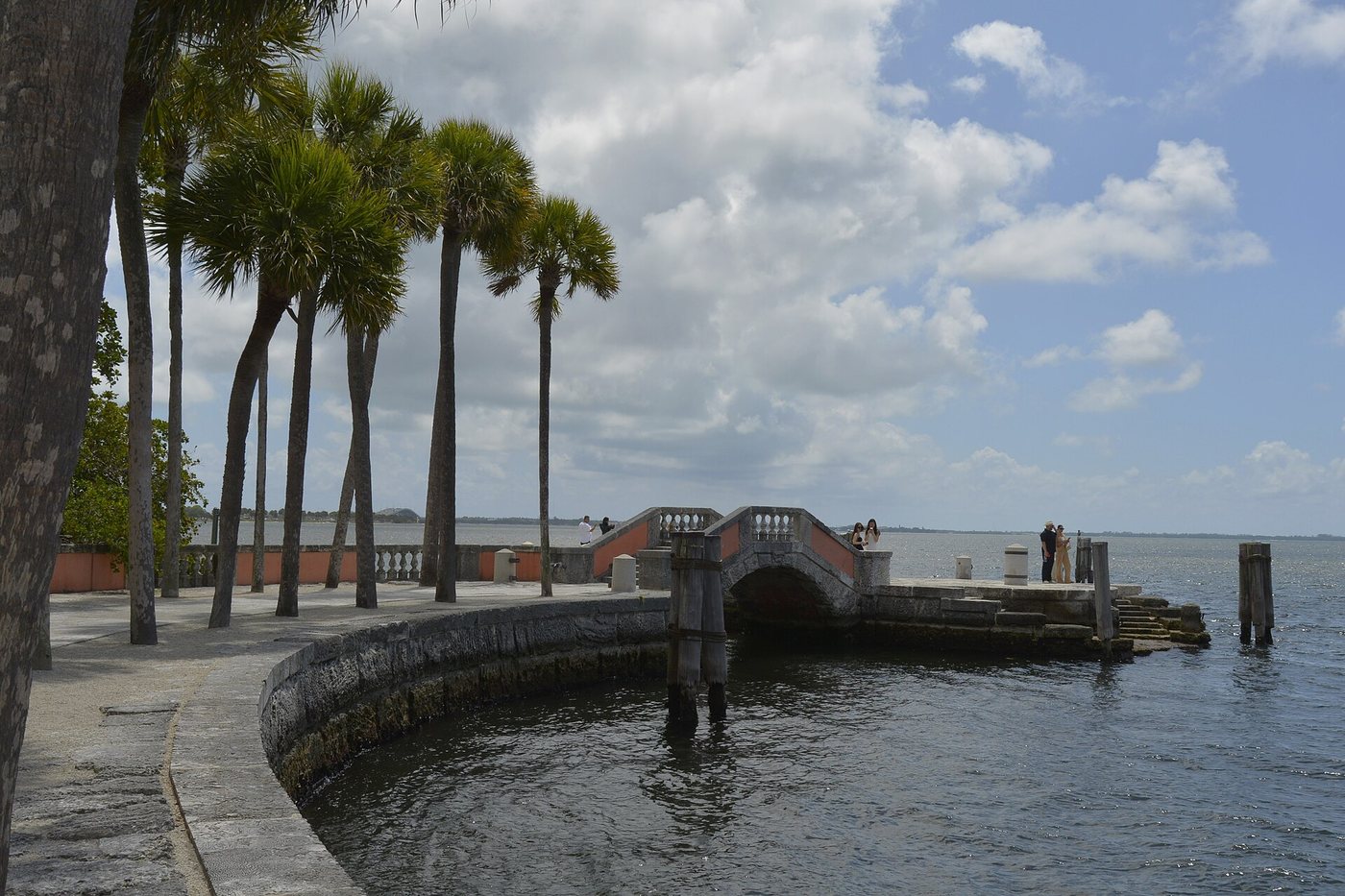
Vizcaya’s house, formal gardens and service village form one estate, combining historicist design with the work required to sustain it.
JJonahJackalope · CC BY-SA 4.0. Resized; thumbnails may be cropped.
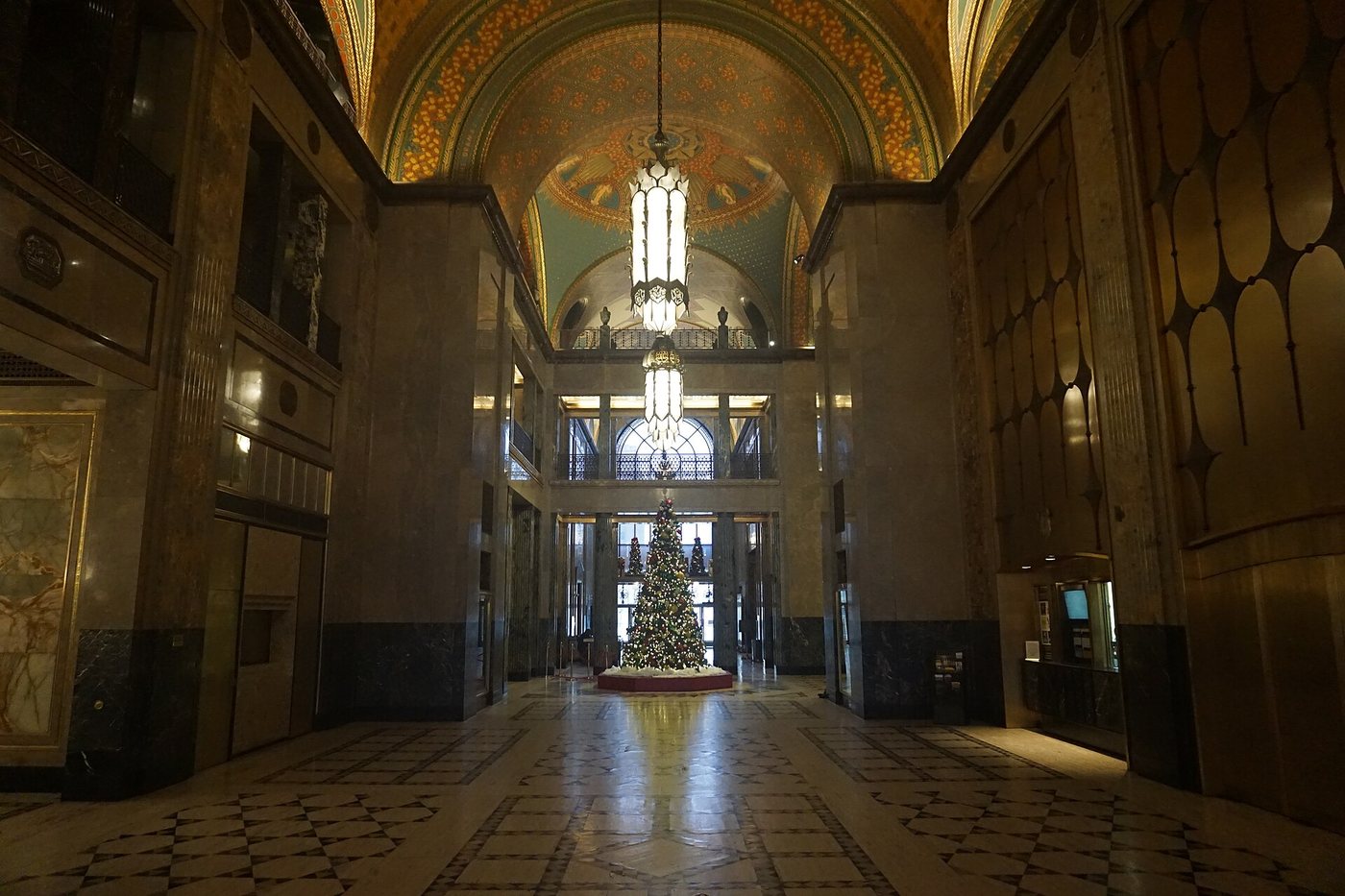
Detroit / Buildings & history
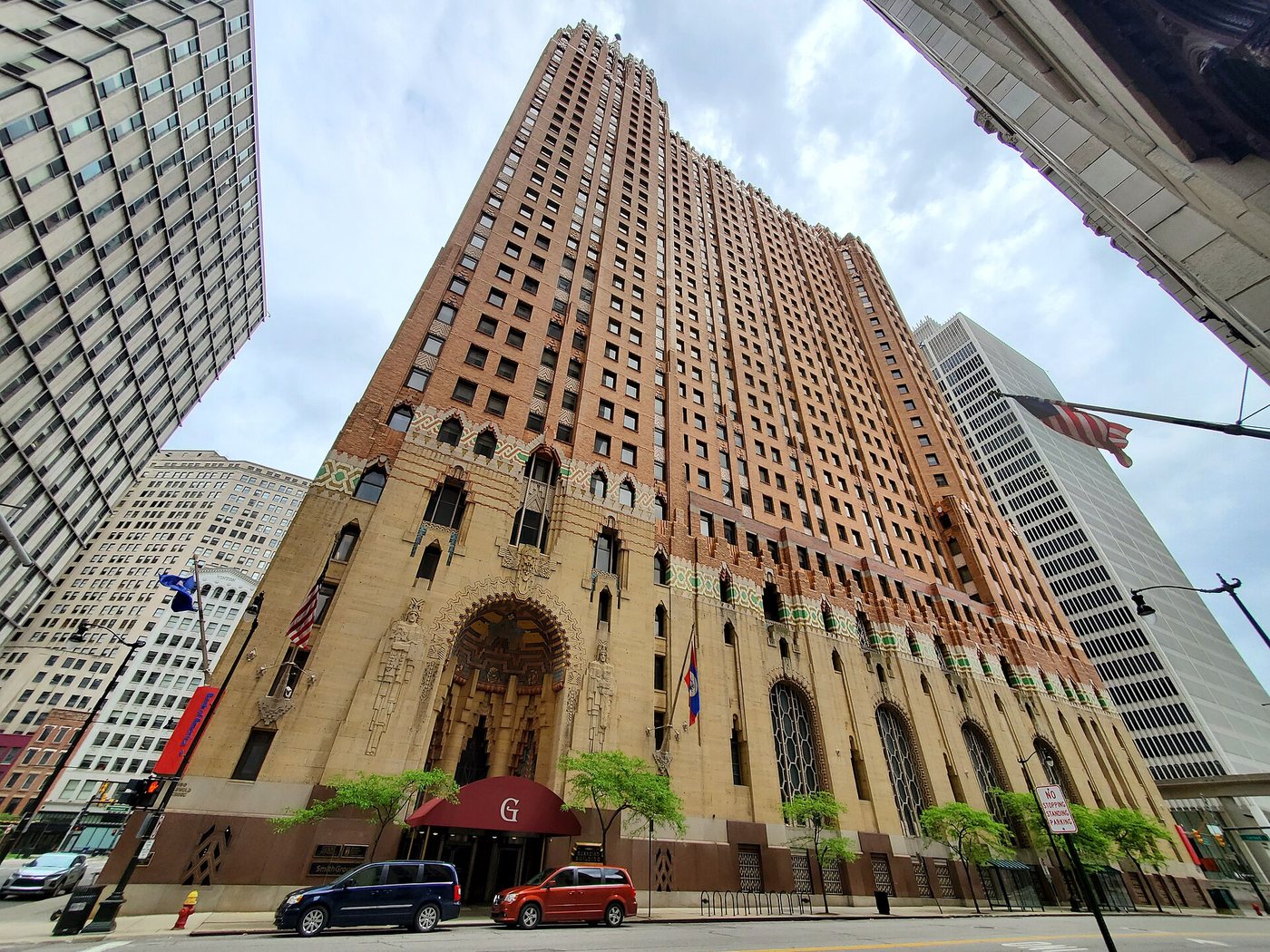
The Guardian Building uses brick, tile and ceremonial interior space to turn a commercial office tower into an architectural statement.
Michael Barera · CC BY-SA 4.0. Resized; thumbnails may be cropped.
Detroit / Buildings & history
The arcade and tower translate automotive wealth into a building intended to be seen at several scales.
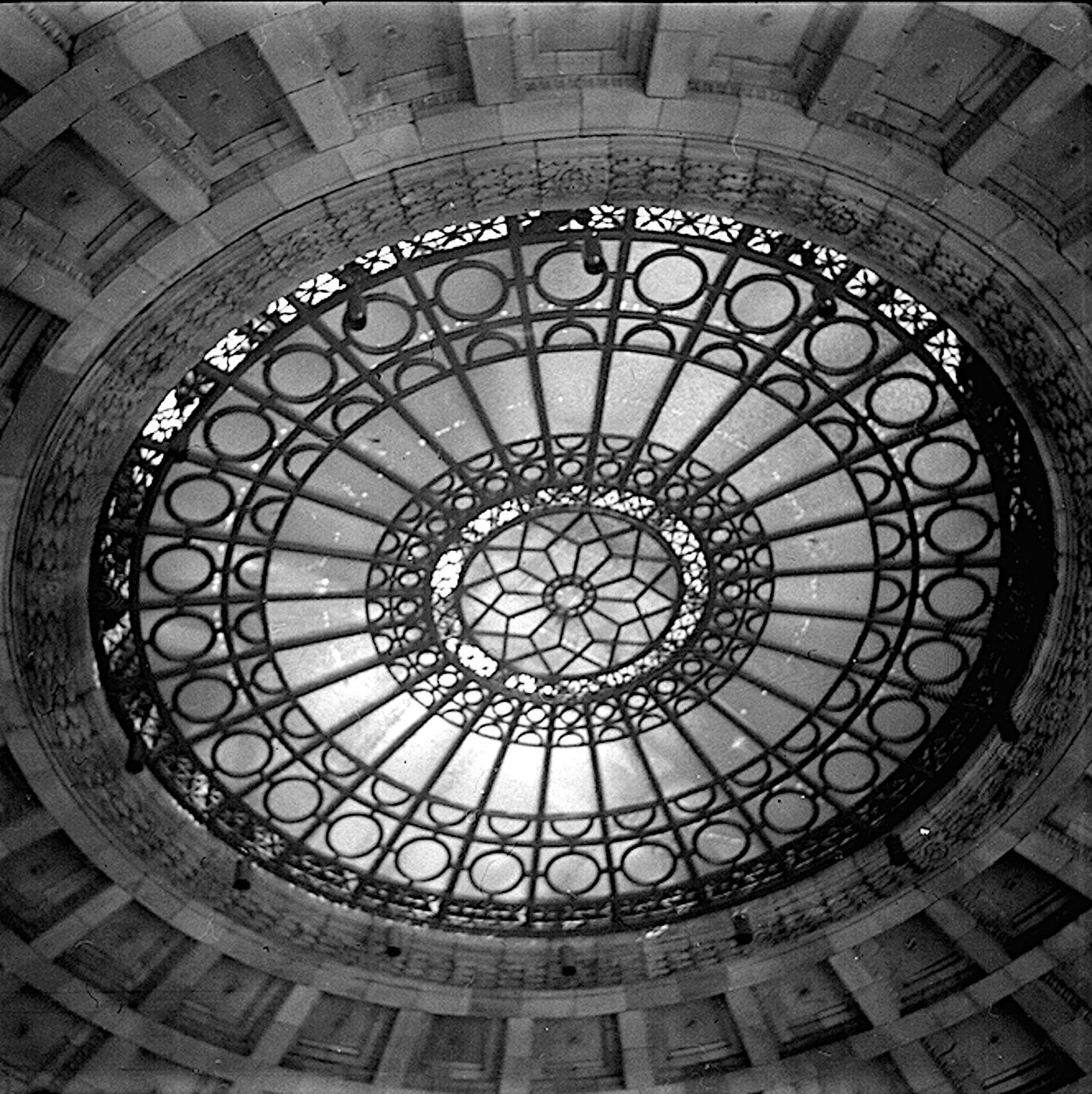
Pittsburgh / Buildings & history
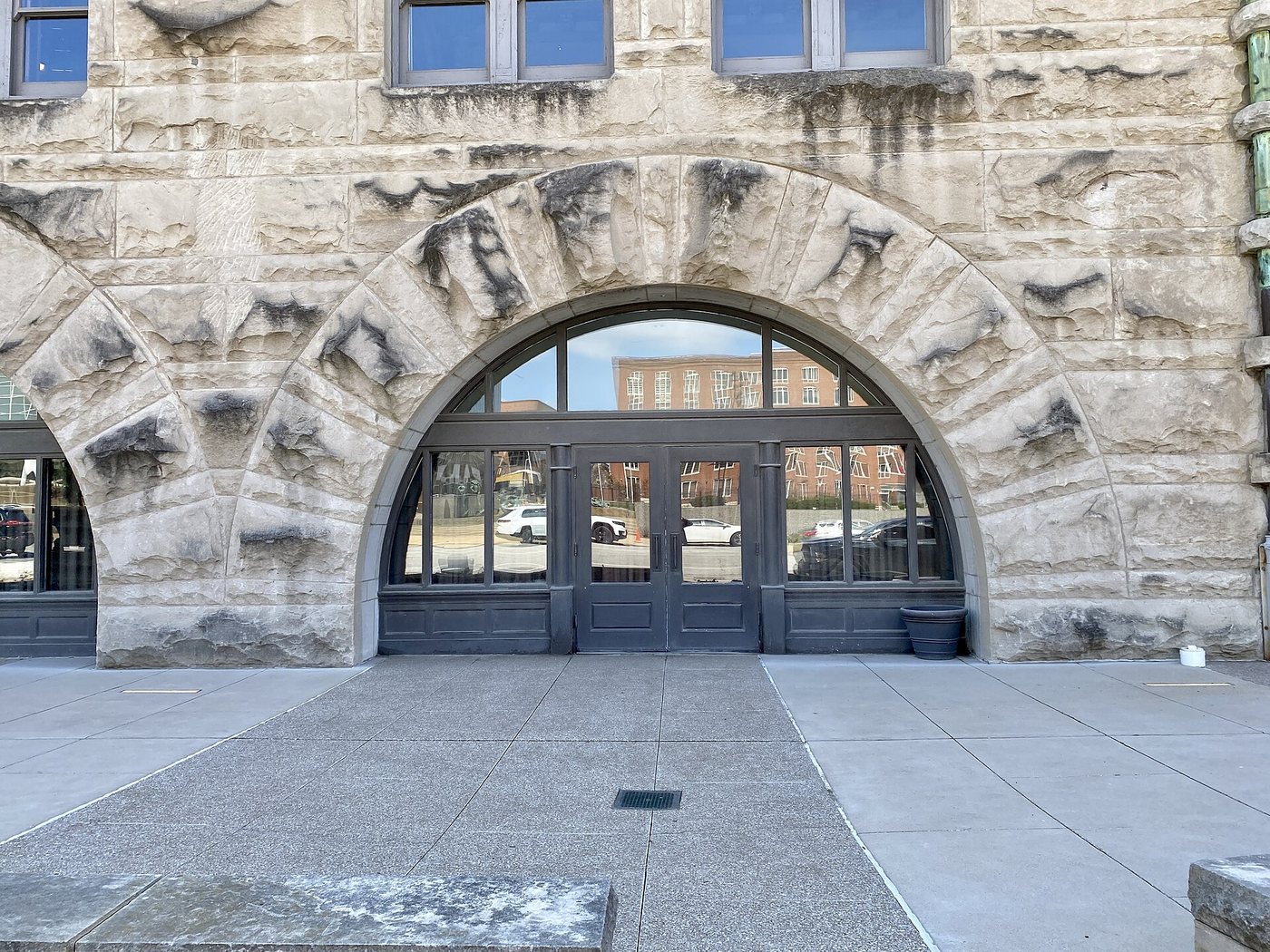
A carriage entrance survives as the most visible part of a station whose passenger functions moved elsewhere.
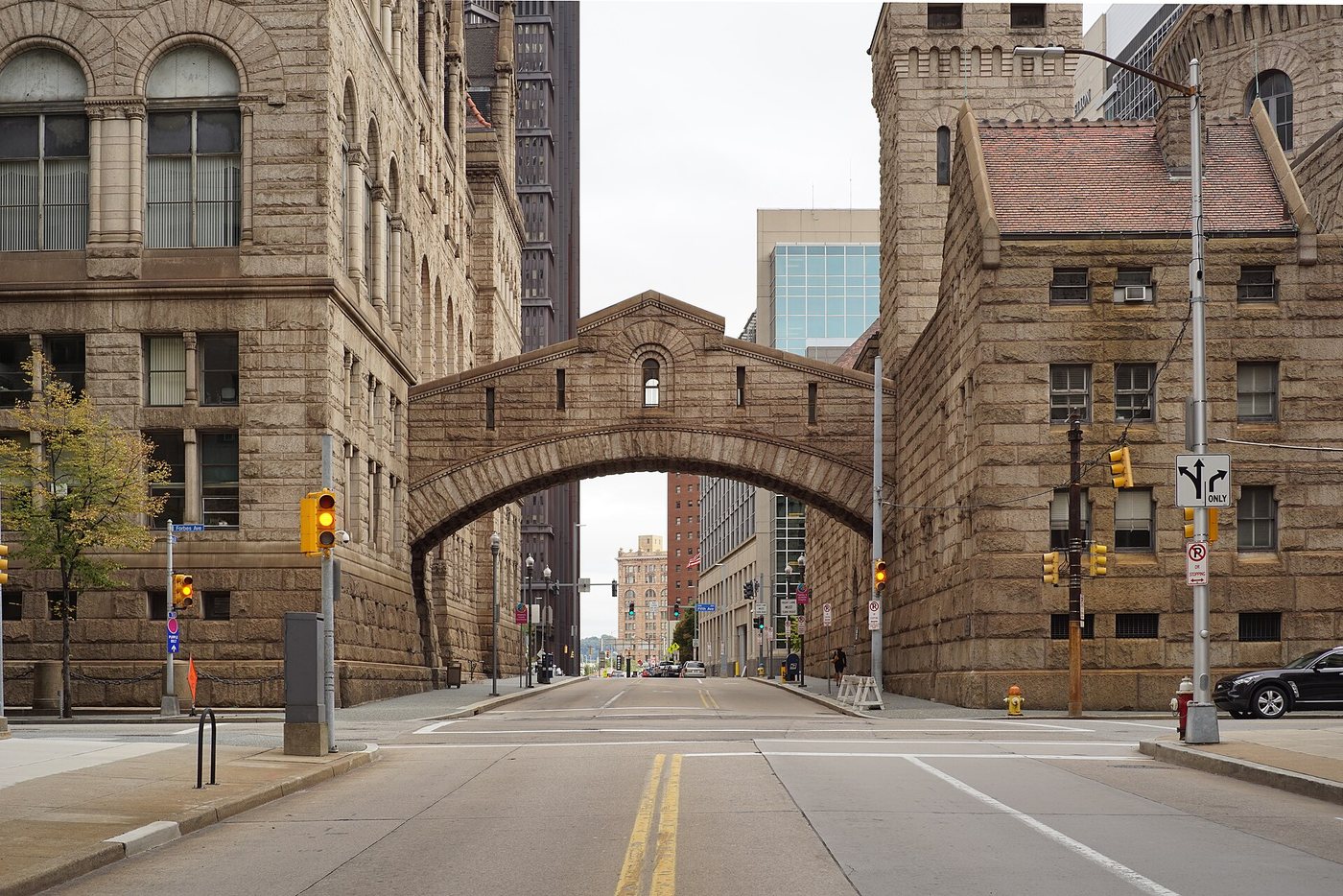
Dllu · CC BY-SA 4.0. Resized; thumbnails may be cropped.
Pittsburgh / Buildings & history
Richardson’s courthouse uses heavy masonry and an interior court to give civic architecture a distinctive presence.
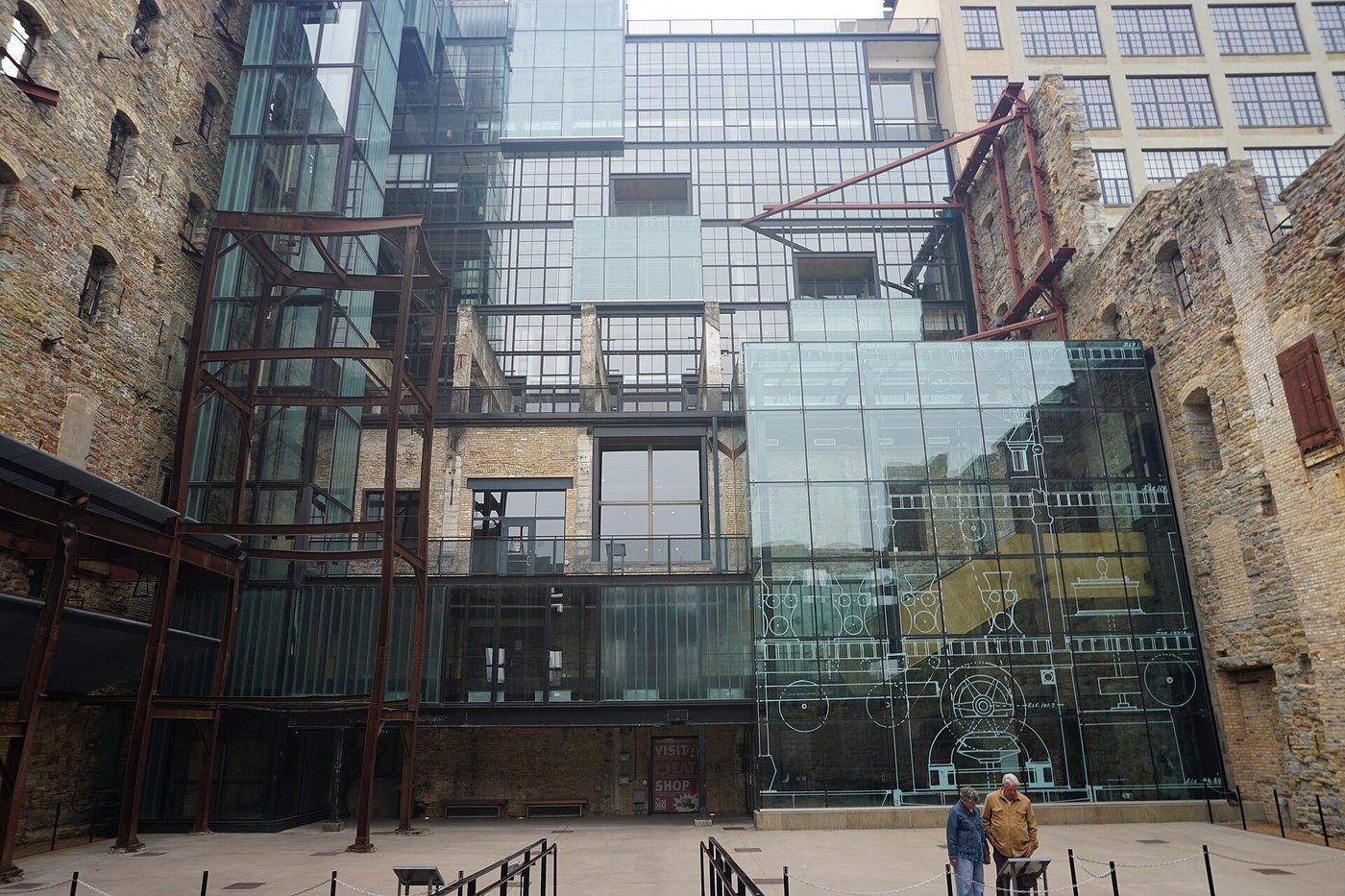
Michael Barera · CC BY-SA 4.0. Resized; thumbnails may be cropped.
Minneapolis / Buildings & history
A museum inside a fire-damaged mill explains both flour production and the decision to preserve a ruin.
Minneapolis / Buildings & history
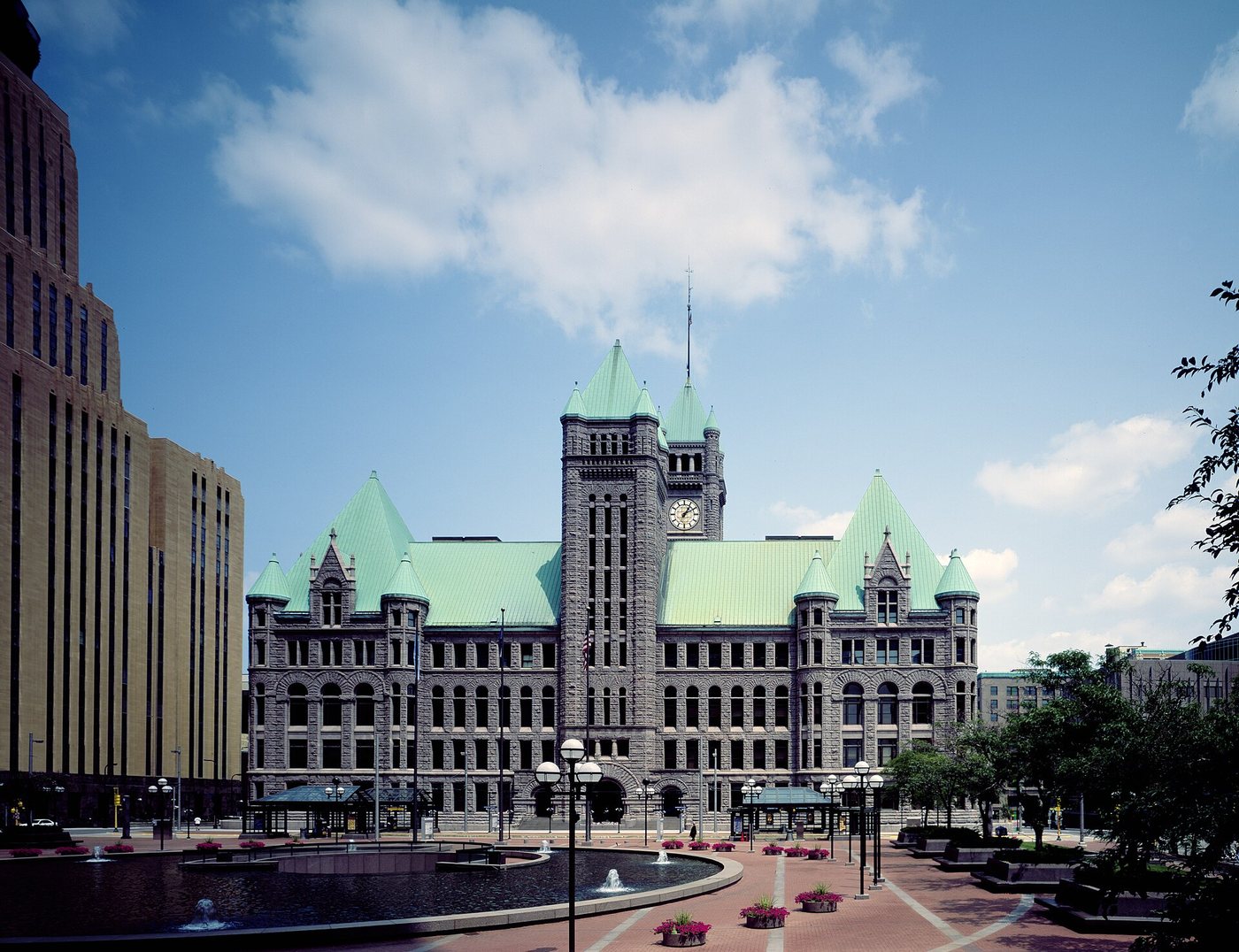
The Minneapolis Municipal Building combines city and county functions beneath a clock tower, with a rotunda that helps explain its public identity.
Mobilus In Mobili · CC BY-SA 2.0. Resized; thumbnails may be cropped.
Denver / Buildings & history
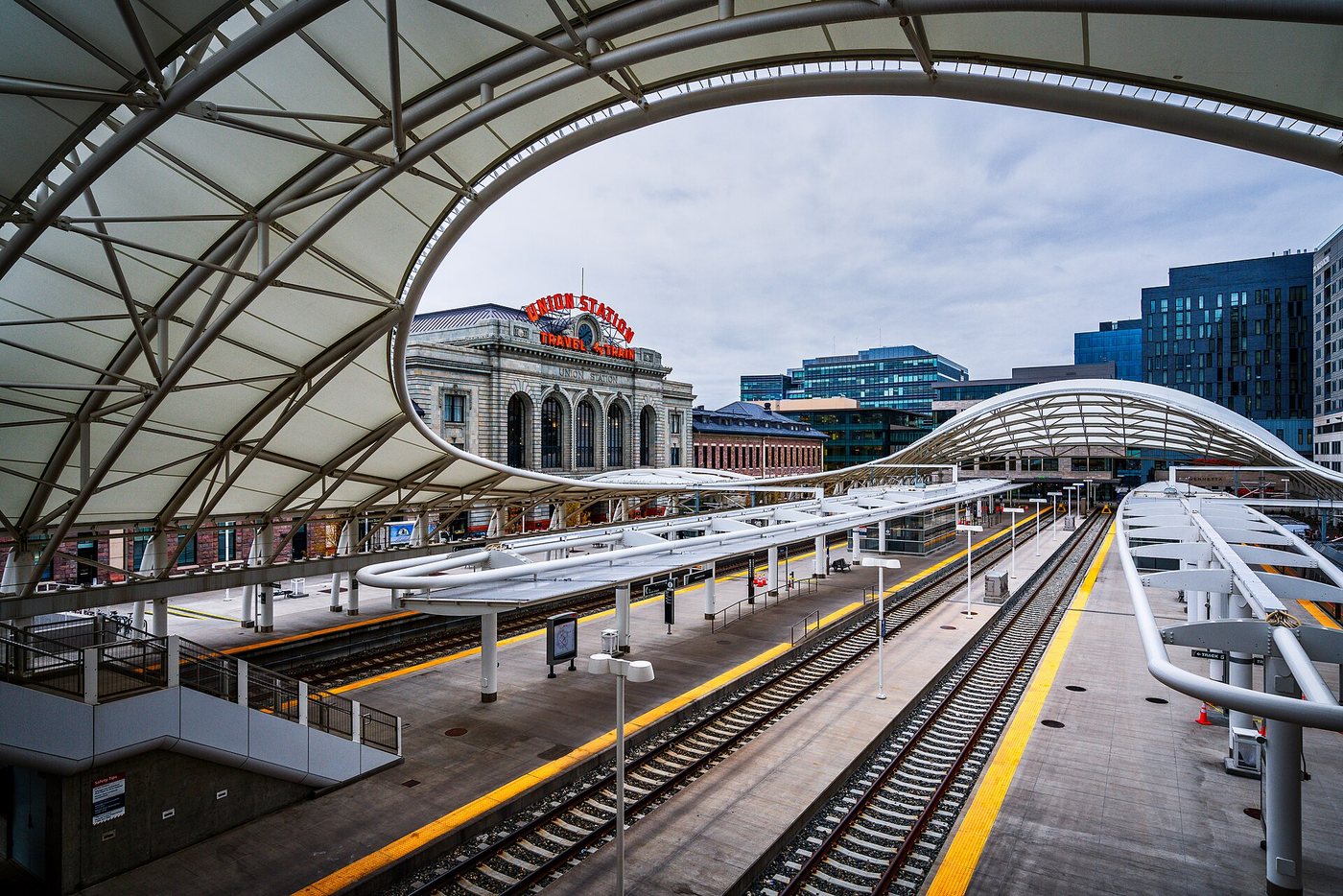
Denver Union Station has a historic hall, active transport facilities and commercial uses that occupy different parts of a larger interchange.
Denver / Buildings & history
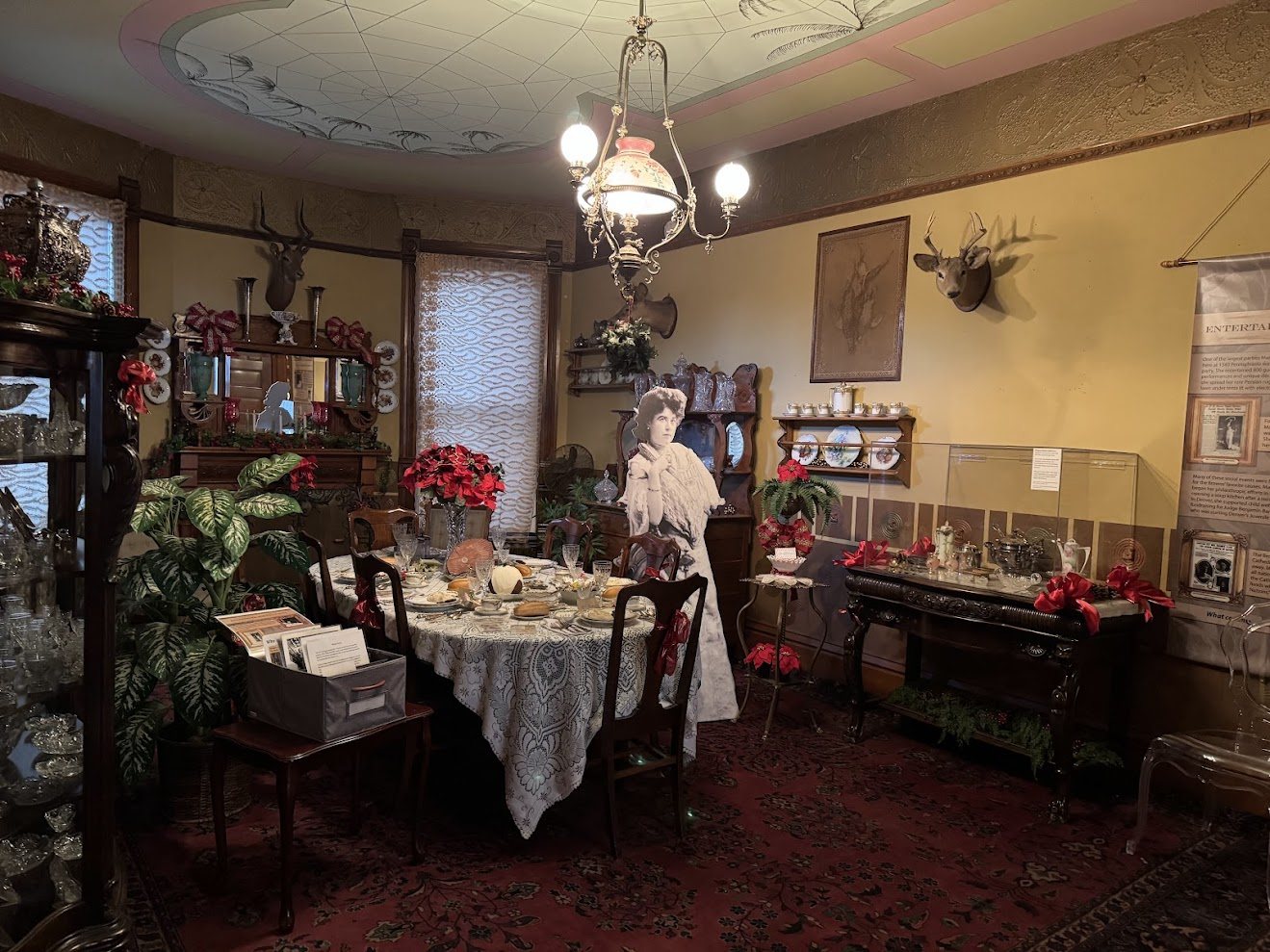
The Molly Brown House preserves a home, a changing collection and a history of preservation, all of which require more than the familiar Titanic story.
w_lemay · CC BY-SA 2.0. Resized; thumbnails may be cropped.
St Louis / Buildings & history
St Louis Union Station retains the scale of a major railway terminal while accommodating uses that no longer depend on departing passenger trains.
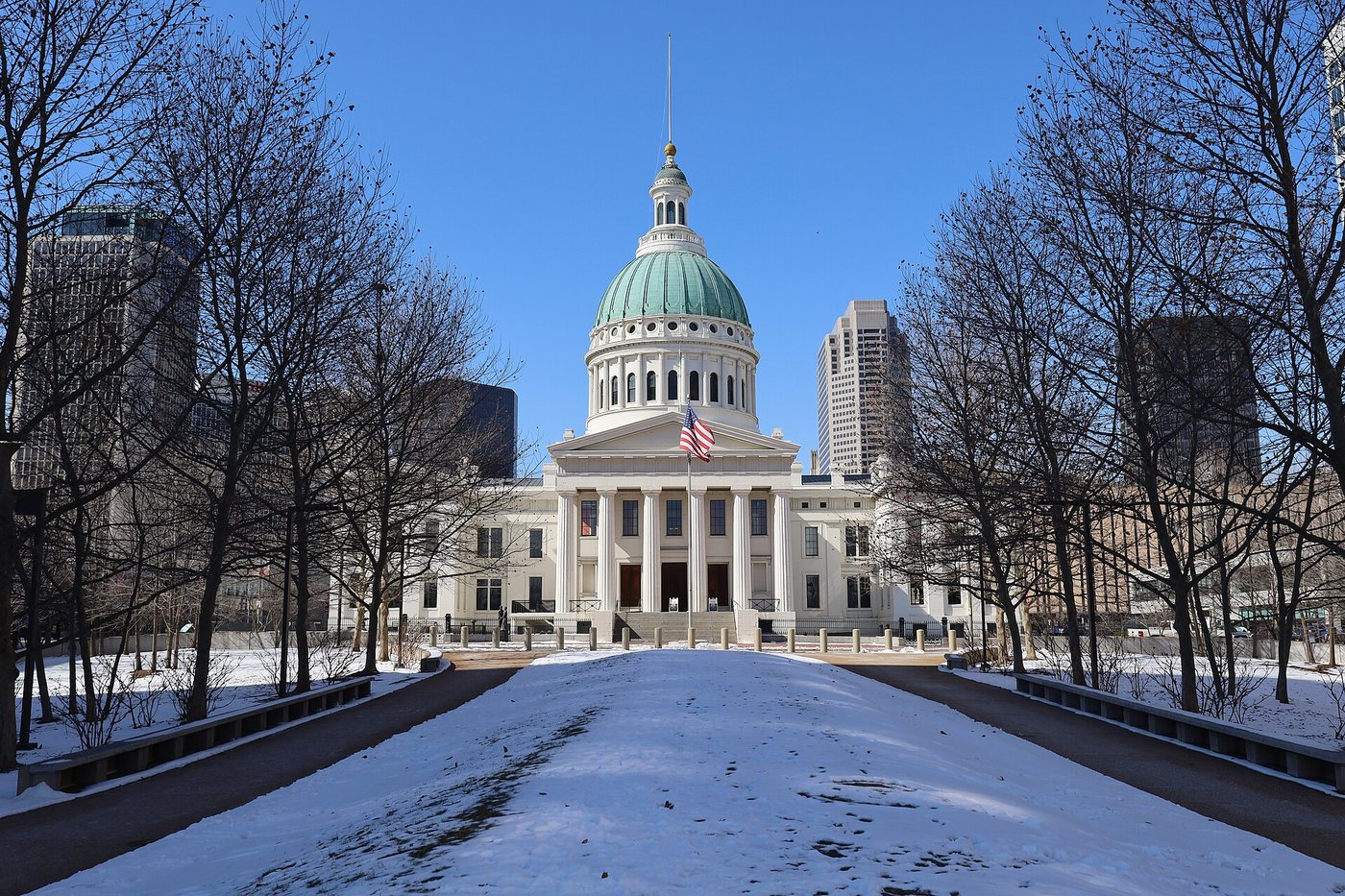
Antony-22 · CC BY-SA 4.0. Resized; thumbnails may be cropped.
St Louis / Buildings & history
The Old Courthouse connects architecture with contested rights, including the Scotts’ freedom suits and Virginia Minor’s challenge over voting.
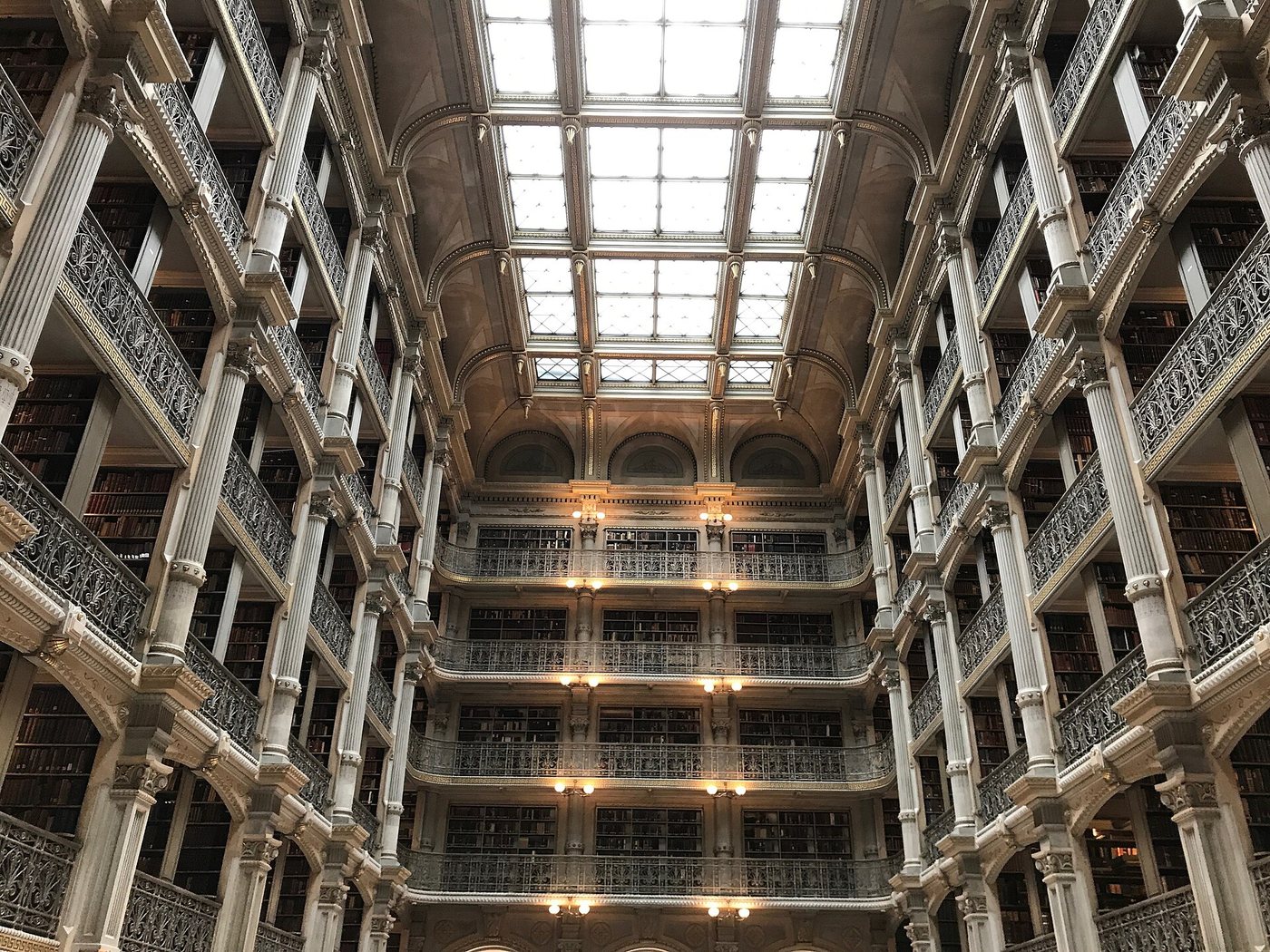
Baltimore / Buildings & history
The George Peabody Library’s celebrated stack room is also a working research collection, with access arrangements shaped by the books it preserves.
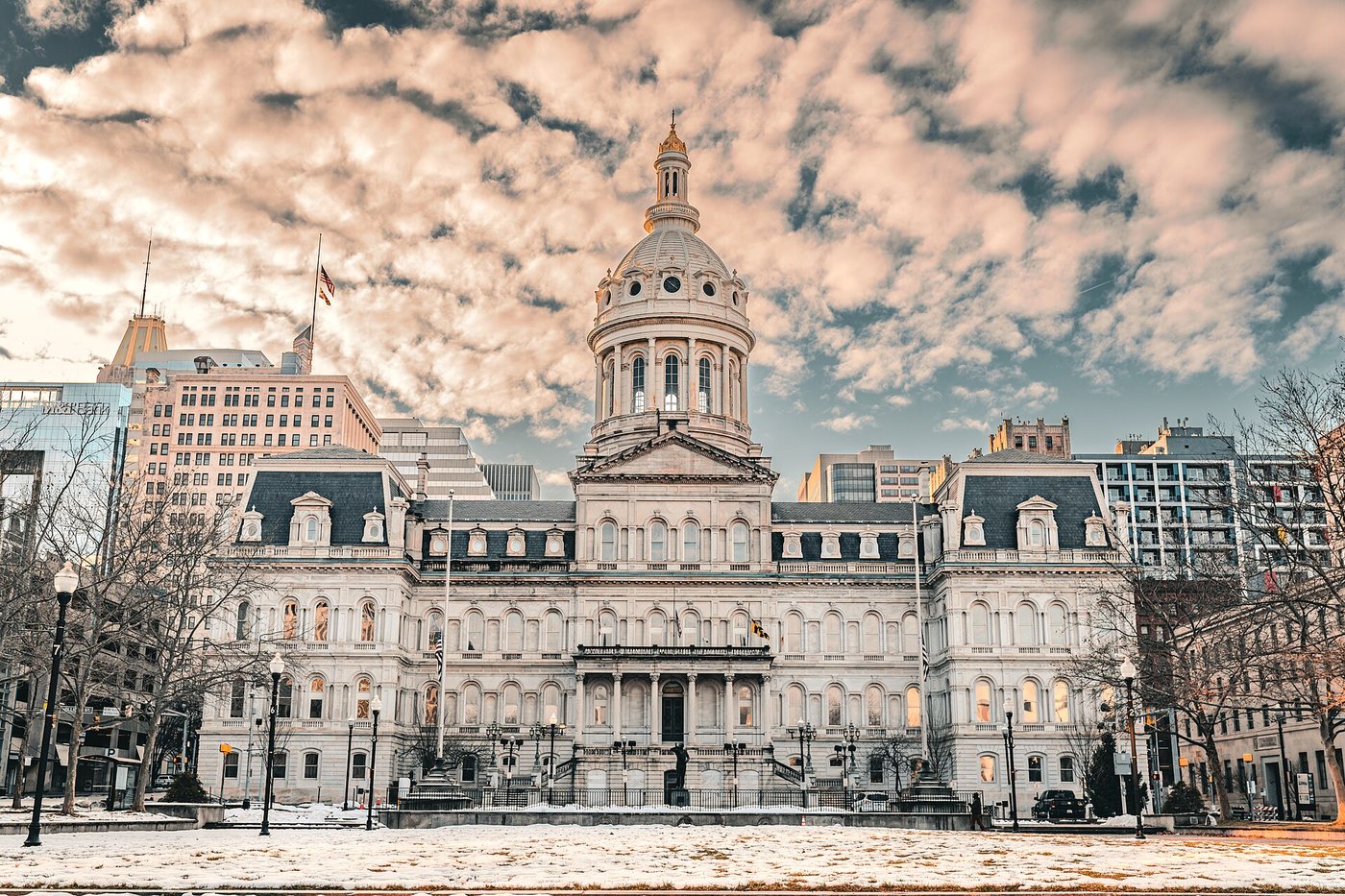
Jonmallard · CC BY 4.0. Resized; thumbnails may be cropped.
Baltimore / Buildings & history
Baltimore City Hall is a visible civic landmark whose exterior can be studied separately from the arrangements for entering a working government building.
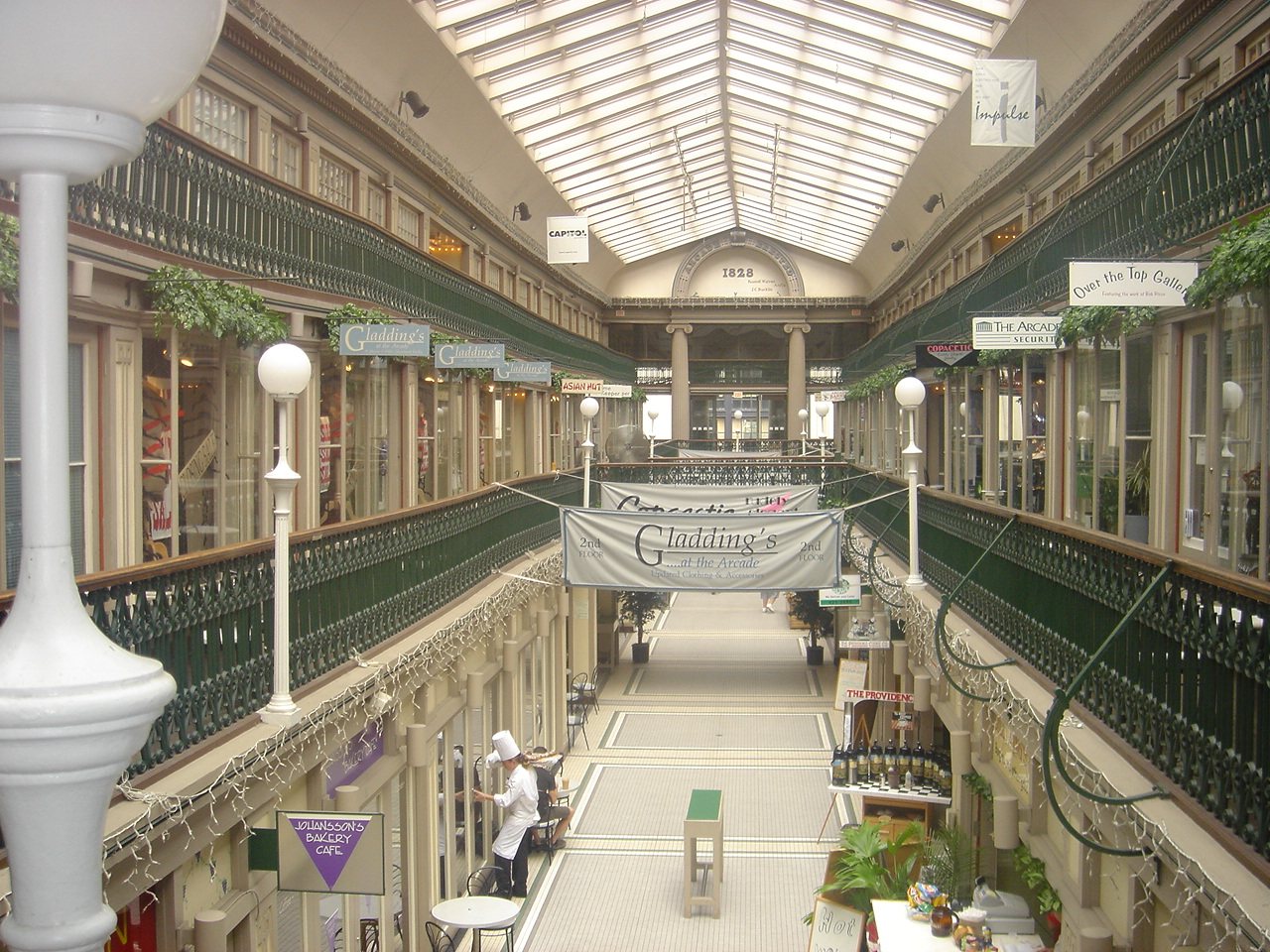
Providence / Buildings & history
The Providence Arcade’s skylit interior began as a setting for shops and later accommodated homes above a commercial ground floor.
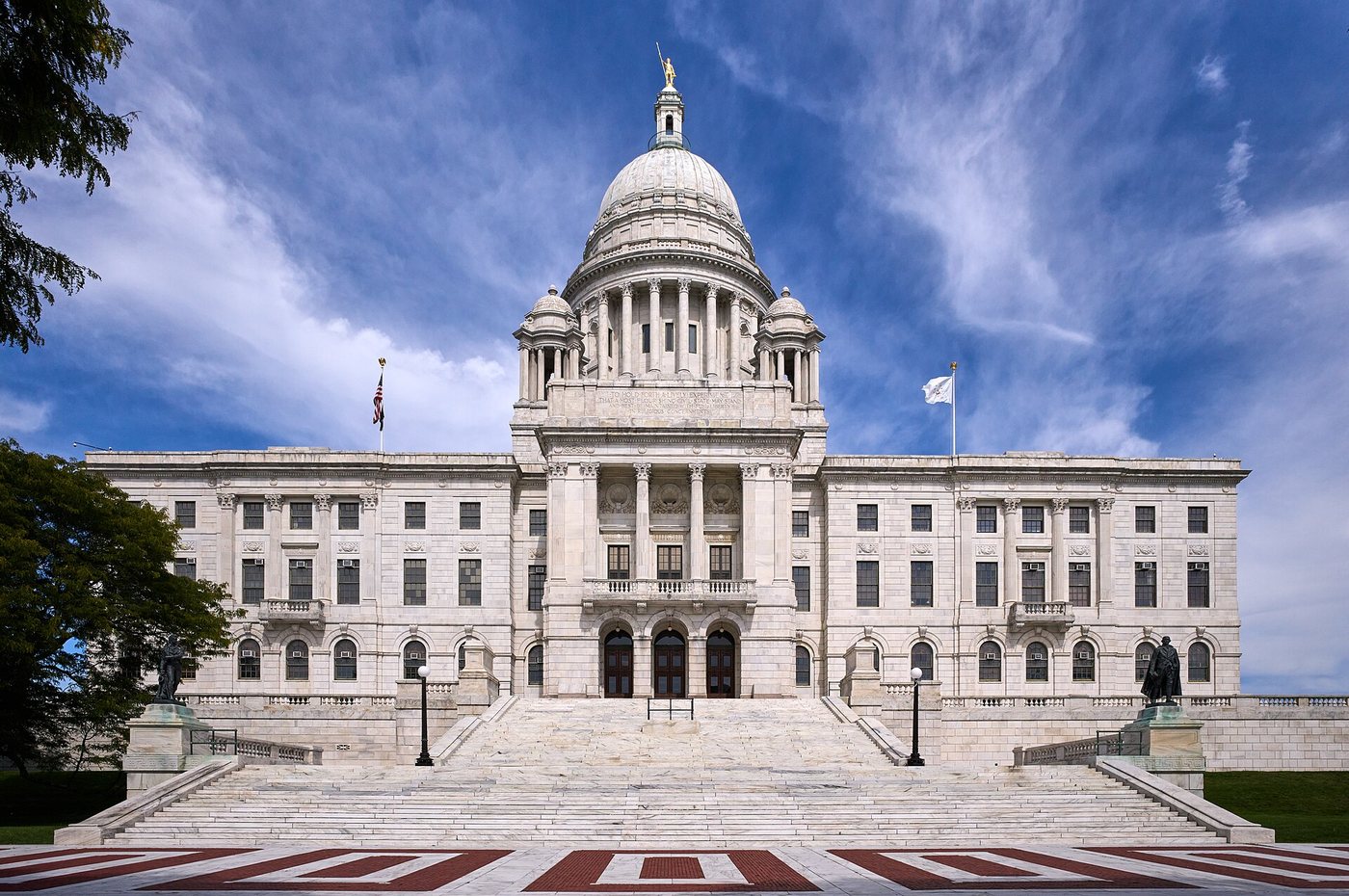
Frank Schulenburg · CC BY-SA 4.0. Resized; thumbnails may be cropped.
Providence / Buildings & history
The Rhode Island State House uses its elevated site, marble dome and interior symbolism to give state government a visible place in Providence.


.jpg)

-1.jpg)

,_Palace_of_Fine_Arts_--_2022_--_0906.jpg)


.jpg)
.jpg)


.jpg)

.jpg)
.jpg)


-L1001135.jpg)